

A Pacific beach with the potential to attract tourists has instead become one of the clearest examples of Costa Rica’s struggle with waste, as garbage carried down the Tárcoles River continues to wash ashore at Guacalillo Beach. About 90 minutes from San José, Guacalillo sits near the mouth of the Tárcoles, where waste carried from the Greater Metropolitan Area (GMA) reaches the Pacific Ocean.
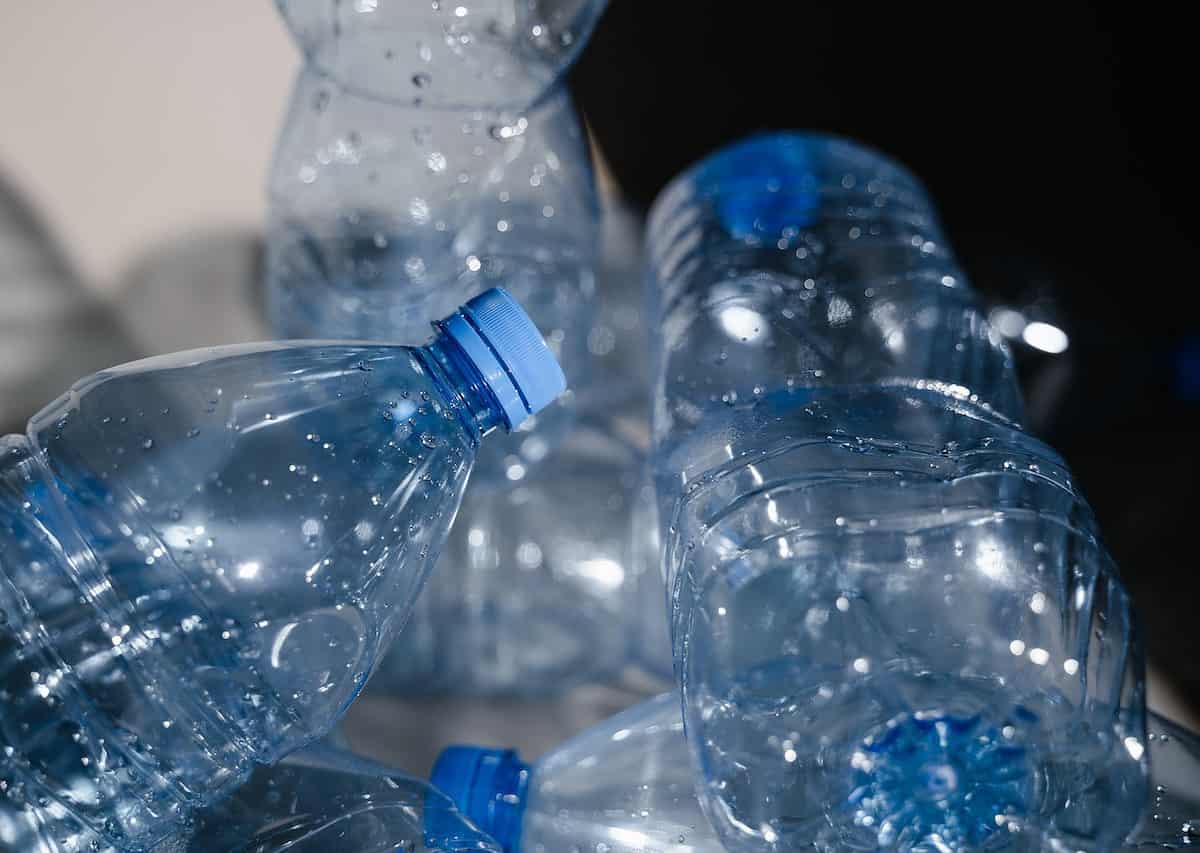
Plastic bottles, pieces of cardboard, glass and other household garbage collect along the sand and surrounding vegetation. Volunteers have also encountered syringes, shoe soles, cosmetics, utensils and other discarded objects. Much of the problem begins far from the coast. Garbage discarded improperly in the Central Valley can enter streams and rivers that eventually feed into the Tárcoles.
The river then carries the waste west toward Puntarenas, where currents and tides deposit part of it along Guacalillo and nearby beaches. The result is a frustrating cycle for both those who live there and environmental groups. Volunteers remove bags of garbage, only for new debris to arrive with the river, particularly during periods of heavy rainfall.
Community members and organizations now have cleanup efforts at least every weekend, spending hours collecting and separating waste from the sand, driftwood and vegetation. The contamination presents an especially difficult challenge for a community that would like Guacalillo to become better known as a tourism destination. Instead of beachgoers, stretches of shoreline can be dominated by accumulated trash and scavenging birds.
There are now efforts to build a more permanent response. At the end of July, Guacalillo opened Puntarenas province’s first Beach Cleanup and Volunteer Center, designed to support waste collection, environmental education and organized volunteer work. The facility was developed in response to the persistent amount of garbage reaching the area through the Tárcoles.
The center includes areas for training and volunteer activities, as well as a native-plant nursery for reforestation, a plastic museum intended to promote environmental education and a protected area for sea turtle eggs from turtles nesting along the beach. Organizers also hope to recover materials that can still be reused while finding alternatives for harder-to-process waste. Some plastics can be recovered, while materials such as tires and textiles may potentially be transformed for use in asphalt or construction materials.
The scale of the broader waste problem, however, remains significant. Costa Rica generates about 4,000 metric tons of solid waste each day, while only about 13% is recycled. An estimate for 2022 found that households generated more than 229,000 metric tons of plastic waste, with hundreds of tons reaching aquatic environments and tens of thousands of tons affecting land ecosystems.
For Guacalillo, that national problem becomes visible on the sand. The beach’s location makes it particularly vulnerable because it effectively sits at the end of a drainage system serving a large portion of the country’s most densely populated region. Cleaning the shoreline can improve conditions temporarily, but it does not stop more garbage from moving downstream.
That means residents and volunteers are fighting the problem at its final destination rather than at its source. Still, the community sees environmental recovery as part of Guacalillo’s economic future. The new center is intended not only to organize cleanups but also to create opportunities for local families, environmental education and sustainable tourism.
For now, volunteers continue returning to the beach, picking up bottles, plastic, shoes, syringes and countless other reminders of a pollution problem that began many kilometers upstream.





