

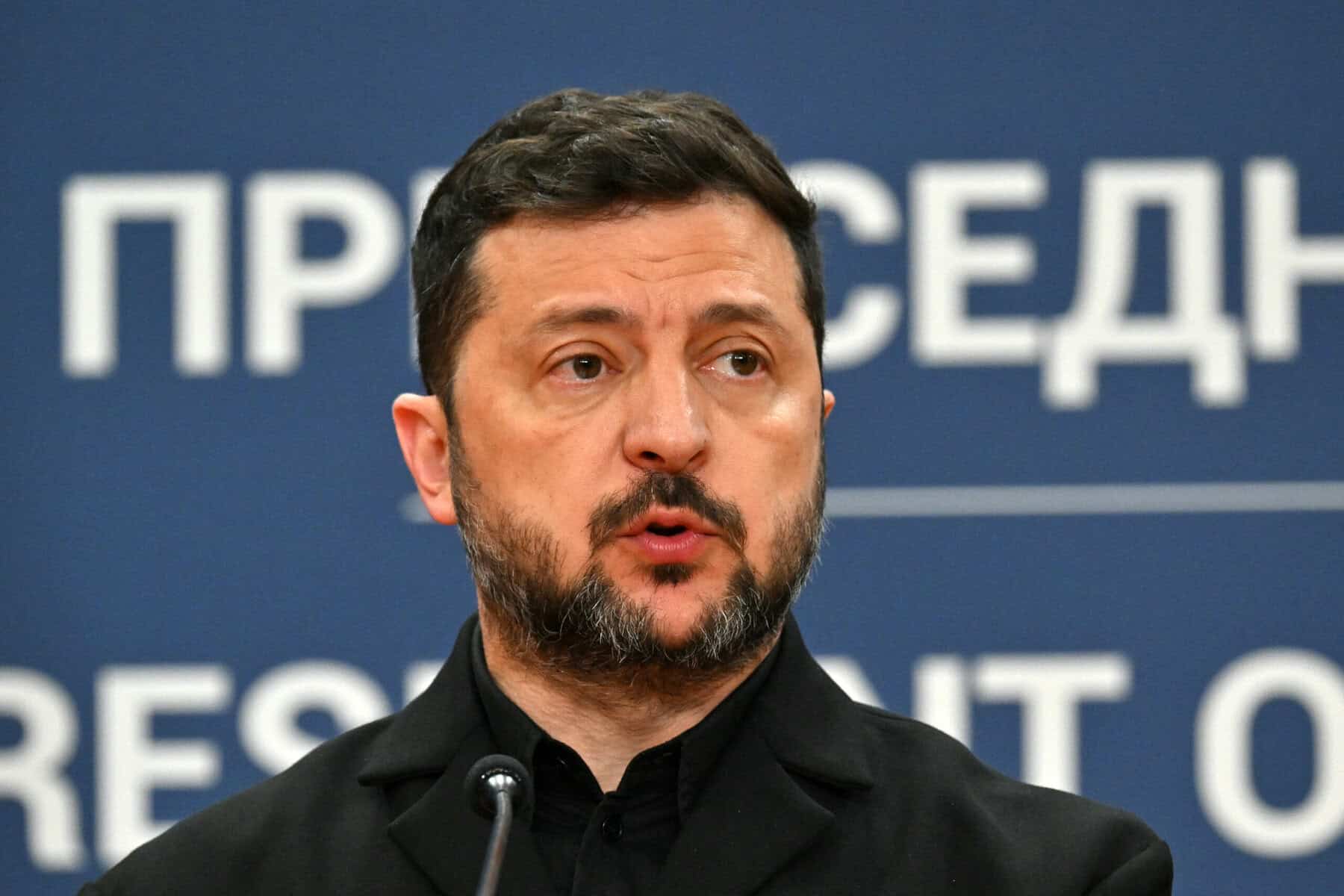
Ukrainian President Volodymyr Zelensky and Costa Rican President Laura Fernández exchanged invitations for official visits during a phone call yesterday, as the two leaders also discussed possible security cooperation involving Ukraine’s experience with drone technology. Zelensky invited Fernández to visit Ukraine, while the Costa Rican president invited Zelensky to Costa Rica, according to Ukraine’s presidential office and reports on the conversation.
Zelensky used the call to thank Costa Rica for its support for Ukraine in international forums, including votes on United Nations General Assembly resolutions concerning the war with Russia. He also highlighted Costa Rica’s backing for efforts to return Ukrainian children taken to Russia and initiatives aimed at holding Russia accountable for the war.
Ukraine said it had recovered 2,368 children as of early July. For Costa Rica, however, one of the most significant parts of the conversation centered on security. In a video of the call released by the Costa Rican government, Fernández said Costa Rica has a strong interest in learning from Ukraine’s experience with drone-based defense technology.
She linked that interest to her government’s efforts to modernize Costa Rica’s security capabilities as the country confronts drug trafficking and transnational organized crime. Ukraine has become one of the world’s leading developers and users of drone technology during its war with Russia, using unmanned aircraft for surveillance, reconnaissance, communications and battlefield operations.
Zelensky said Costa Rica had expressed specific interest in Ukraine’s security experience. The two presidents agreed that their teams would continue discussions and explore a possible format for a future meeting. No date or location for such a meeting was announced.
The exchange of invitations does not necessarily mean either presidential visit is being actively planned. Invitations between heads of state are common diplomatic gestures, and neither government has announced a timetable, itinerary or formal preparations for a visit. A trip by Fernández to Ukraine would also involve substantial security and logistical considerations because of the ongoing war.
Costa Rica has not indicated that preparations for such a visit are underway. A Zelensky visit to Costa Rica would avoid those complications, but there is similarly no indication that a trip to San José is imminent. For now, the more concrete outcome of yesterday’s conversation appears to be the possibility of technical cooperation on security.
That could move forward through government ministries, security officials and technical teams without requiring either president to travel. For Costa Rica, Ukraine’s rapidly developed expertise with drones could be particularly relevant for surveillance of borders, coastlines and areas used by organized crime and drug trafficking networks.
The conversation also adds a new dimension to relations between Costa Rica and Ukraine. San José has consistently supported Ukraine diplomatically since Russia’s full-scale invasion began in 2022, while the Fernández government is now exploring whether that relationship can produce practical security cooperation at home.





