

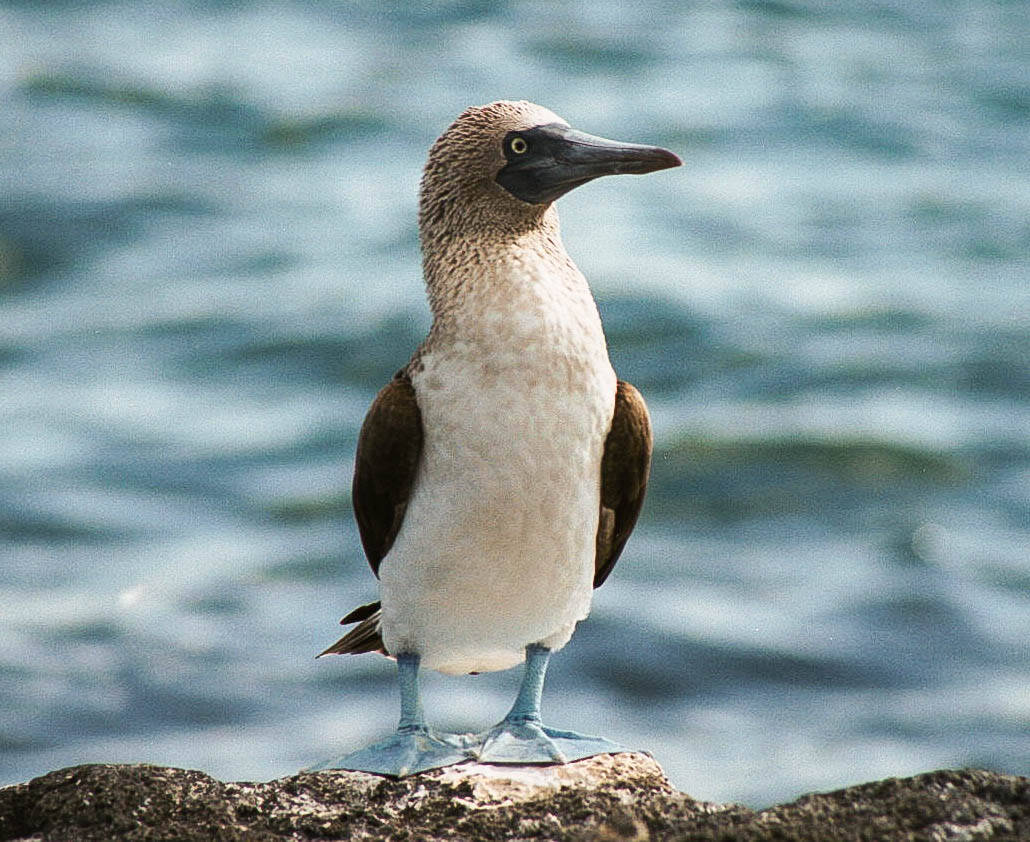
Costa Rican animal health officials confirmed a new case of highly pathogenic avian influenza H5 in a wild marine bird found in Manuel Antonio, one of the country’s most visited beach and wildlife destinations. The National Animal Health Service, (Senasa), said the case was detected in a blue-footed booby, or piquero patiazul, located in Manuel Antonio, in the canton of Quepos, Puntarenas.
Authorities said the finding involves wildlife and does not affect Costa Rica’s poultry export status. Senasa also emphasized that chicken, turkey, eggs and other poultry products remain safe for consumers.
The agency said it activated its established response protocols and is carrying out epidemiological surveillance in the area. Senasa is coordinating with the Ministry of Health, the National System of Conservation Areas, known as SINAC, and other institutions to monitor the situation and reduce the risk of further spread.
“This case is limited to wildlife and, so far, no cases of avian influenza have been detected in domestic birds,” said Luis Matamoros, Senasa’s director general. He said the agency is maintaining permanent surveillance and has reinforced monitoring in the region to protect national poultry production and preserve the country’s animal-health status.
The case is especially relevant for Manuel Antonio, where visitors, tour guides and local businesses rely heavily on nature tourism. The area is known for close wildlife encounters, coastal birdlife and nearby protected areas, making public cooperation important when sick or dead animals are found.
Senasa urged the public not to approach, touch, rescue or move wild birds that appear sick or are found dead. The warning applies especially to aquatic and marine birds such as pelicans, boobies, ducks and other coastal species, as well as raptors and scavengers including hawks, kites and vultures.
Birds infected with avian influenza may show tremors, lack of coordination, loss of appetite, paralysis, diarrhea, respiratory problems, swelling around the head, reduced egg production or sudden death. Costa Rica detected its first cases of avian influenza in wild birds in January 2023. The last previous case had been reported in October 2023, after which the country had remained free of new events through surveillance, early detection and coordination between public agencies and the private sector.
Avian influenza is a highly contagious viral disease that mainly affects domestic and wild birds. In rare cases, it can affect mammals, including humans, usually through close contact with infected animals or contaminated materials.
For visitors, guides and residents in coastal areas, the practical advice is simple: keep distance from sick or dead birds, keep pets away from them and report the finding to authorities. Suspected cases can be reported to the nearest Senasa office or by email at denuncia@senasa.go.cr, angie.sanchez@sinac.go.cr or laura.brenes@sinac.go.cr.





