

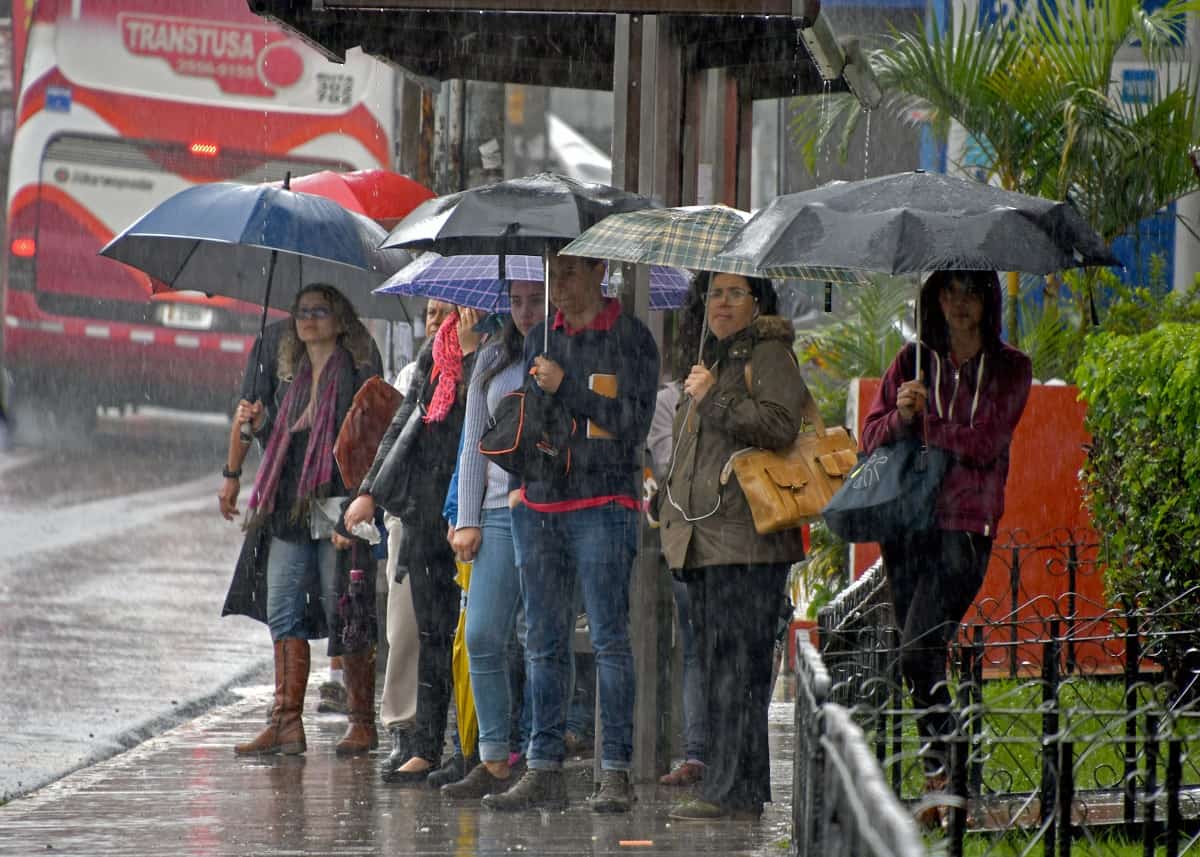
Two tropical waves are expected to cross Costa Rica between today and Sunday, adding instability to the weather and raising the chance of heavier downpours across several regions during the weekend. The National Meteorological Institute said tropical wave No. 13 is expected to pass over the country Friday, June 19, while tropical wave No. 14 is forecast for Sunday, June 21.
The waves are expected to reinforce the rainy pattern already affecting us here Costa Rica, especially in the afternoon. The main areas to watch are the Pacific coast, the Central Valley and the Northern Zone. Those regions are expected to see the most notable afternoon rains, with possible thunderstorms and heavier localized downpours.
For anyone traveling this weekend, the forecast matters less because of the name of the weather system and more because of timing. Afternoon rain in Costa Rica can quickly affect mountain roads, beach routes, airport transfers and national park visits. Drivers should expect lower visibility, slick pavement and possible ponding on poorly drained roads.
If your headed to the beach you should also keep an eye on changing conditions, especially along the Pacific coast, where rain and storms can build quickly later in the day. Outdoor plans are not necessarily washed out, but morning activities are likely to be the better option in many areas.
The IMN said the Intertropical Convergence Zone, a belt of moisture and storm activity that often drives rainy-season weather in Costa Rica, remains close to the country. That means the tropical waves will be moving through an already unstable atmosphere rather than arriving during a calm stretch.
The forecast does not mean Costa Rica is facing a tropical storm or hurricane. Tropical waves are common during the rainy season and often pass through the region. Their main effect in Costa Rica is usually to increase cloud cover, humidity, thunderstorms and rainfall. Still, because the two waves line up with the weekend, travelers should build in extra time, check road conditions before longer drives and avoid crossing flooded streets, rivers or streams during heavy rain.
The wettest periods are expected during the afternoon and evening, although rain can begin earlier when a tropical wave is directly affecting the country.





