

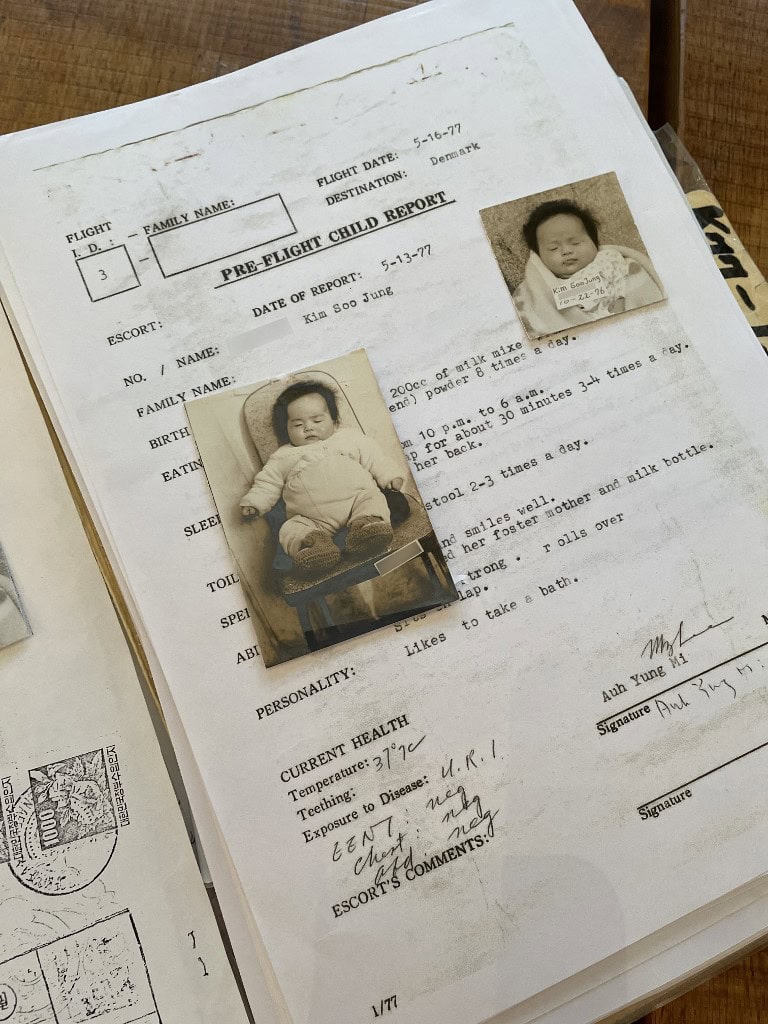
Norway’s final report on international adoptions has turned Costa Rica’s recent file review into a sharper official finding: Norwegian authorities did not do enough to understand how some Costa Rican children were declared abandoned before being sent abroad for adoption.
The finding follows PANI’s May decision to review 101 adoption files involving Costa Rican children adopted by Norwegian families between 1975 and 1992. At the time, Costa Rica’s child welfare agency said it had not received a formal request from Norway but wanted to be prepared in case individuals or the Norwegian state asked for records. Now, the Norwegian commission has delivered its final report.
The conclusion on Costa Rica is careful but significant. The commission did not find major system-level wrongdoing in the work carried out by Adopsjonsforum, the Norwegian adoption agency authorized to work with Costa Rica. It also said the Costa Rican adoptions to Norway were handled through official channels, mainly through PANI, rather than through the private direct adoptions that drew concern in Costa Rica during the same period.
But the report says Norwegian authorities had limited insight into the process that came before the adoption itself: how PANI decided that a child had been abandoned and could be adopted without parental consent.
That distinction matters. Before Costa Rica changed its rules in the 1990s, PANI had the power to administratively declare a child abandoned. Once that happened, the agency could consent to the adoption, and the biological parents were not necessarily part of the adoption case.
The Norwegian commission said that was a weak point in the system. A significant share of the Costa Rican children adopted in Norway had first passed through a child welfare process in Costa Rica, yet Norwegian authorities did not examine that process closely enough before allowing adoption cooperation with the country.
The report also points to a possible deeper problem: whether poverty, single parenthood and social class influenced how some Costa Rican families were judged by child welfare officials.
A Costa Rican jurist consulted by the commission said that in the 1970s there was an institutional view in Costa Rica that adoption could be treated as a response to poverty and abandoned children. The same source said bias against lower-income families and single mothers may have affected some decisions.
The commission stopped short of saying there was a proven pattern of systemic discrimination across all Costa Rican adoptions to Norway. Its finding is narrower: there are enough signs of flawed individual processes to raise concern, and Norwegian authorities failed to verify the Costa Rican side of the system with the care it required.
The commission reviewed 33 individual Costa Rican adoption files in Norwegian archives, about one-third of the total. In 29 of those cases, the adoption judgment said the child had been administratively declared abandoned. In 31 cases, PANI gave consent to the adoption. The biological parents were not parties in the cases reviewed by the commission.
Several case files contained little information about the child’s original family or the background that led to adoption. The commission said that lack of documentation can make it difficult for adoptees to learn their origins decades later. The report also includes testimony from adoptees and biological relatives who described gaps or contradictions in the official record.
In one case, Costa Rican relatives said they did not remember being contacted by PANI before children were sent to Norway. In another, a biological mother said the story recorded about her life did not match what she later described. The commission also found cases where relatives, including grandparents, a biological father and other family members, had offered to care for children, but PANI rejected those options.
The report noted one especially important detail: in a 2023 meeting, PANI reportedly acknowledged to one Costa Rican-born adoptee that the process before the adoption appeared to have been insufficient and that not enough had been done to keep the person in Costa Rica.
The Costa Rica chapter also separates these adoptions from another problem that Costa Rica was confronting at the time: direct adoptions of infants. A Costa Rican parliamentary commission investigated child trafficking and foreign adoptions from 1989 to 1991, including allegations that some foreign families paid biological parents or intermediaries before completing adoptions in court.
The Norwegian commission said those direct adoption concerns appeared to focus mainly on infants and private arrangements. By contrast, the Costa Rican adoptions to Norway reviewed by the commission generally went through PANI and often involved older children, sibling groups or children with special care needs.
Even so, the report says the official nature of the process did not remove the need for oversight. The question was not only whether the final adoption papers were legal, but whether the child should have been declared adoptable in the first place.
Some of the cases behind the review were already public before the final report was released. Sandra Vanessa Borhaug, who left Costa Rica in 1986 and was adopted in Norway with two siblings, later found her biological mother, Cristina Inez Zúñiga. Her mother has said she never gave informed consent for the adoption and that her children were gone when she returned from work.
Another case involved brothers Cristian Arturo and Carlos Alberto Agüero, who were separated from their mother, Rosa Agüero Barrantes, in the early 1980s. Rosa spent years searching for them and died in 2021 without knowing what had happened. Her sons were later found living in Norway, allowing relatives to reconnect after decades.
PANI has said it has not received formal communication from Norwegian authorities about the investigation. Executive President María José Vega Sanabria ordered the review of the Costa Rica-Norway adoption files in May as a preventive measure, saying the institution wanted to be ready to respond to possible requests from adoptees, families or the Norwegian state.
Costa Rica’s adoption system changed after the period under review. In 1993, the Constitutional Chamber ruled that PANI could no longer act as both investigator and decision-maker in abandonment cases. Those decisions moved to family courts, and later reforms added stronger legal and psychological review requirements.
For Costa Rica, the Norwegian report does not close the matter. It narrows it. The question is no longer only whether 101 old files can be located. It is whether those files can explain how children were separated from their families, whether relatives were properly considered, and whether poverty was mistaken for abandonment in decisions that changed lives permanently.





