

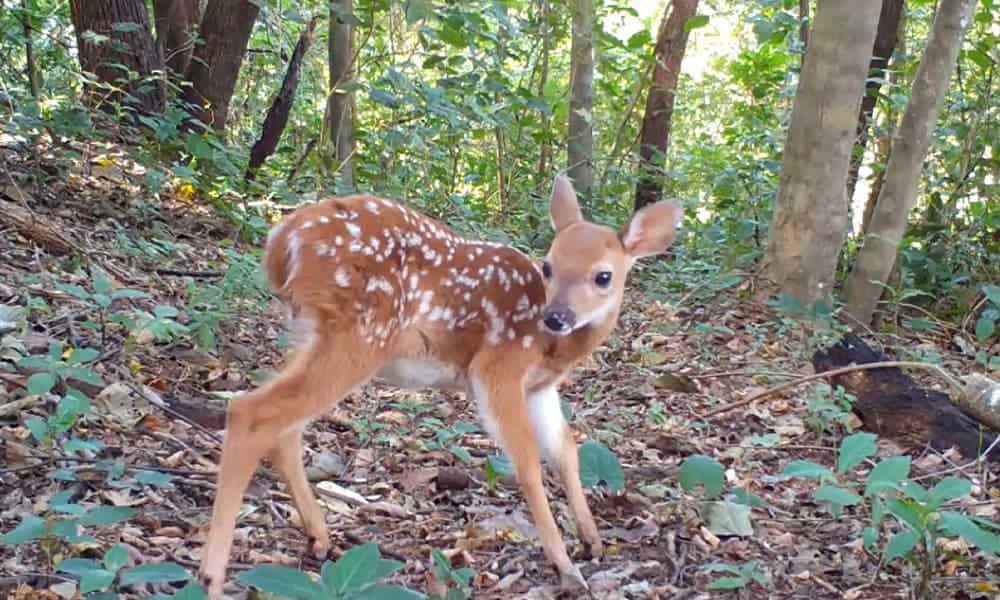
One of the Nicoya Peninsula’s best-known wildlife destinations is facing renewed pressure from illegal hunters, after camera traps placed inside or near Refugio Nacional de Vida Silvestre Curú captured evidence of poaching activity in the protected area.
Curú, located in Paquera, Puntarenas, is a popular stop for eco-tourists, birders, hikers and visitors traveling through the southern Nicoya Peninsula near Isla Tortuga. The refuge is known for its dry tropical forest, mangroves, coastal grasslands and easy wildlife sightings, including deer, monkeys, birds, iguanas and other species that attract both Costa Rican and foreign visitors.
Refuge staff installed camera traps to monitor wildlife movement. Instead, the devices also recorded signs of people entering illegally to hunt, particularly in search of deer. Staff at the refuge say the problem has intensified this year. They also reported an increase in the theft of camera traps, suggesting that poachers may have identified where the monitoring equipment is at and are removing it to avoid being detected.
The situation has raised concern because camera traps are one of the most useful tools for protecting large natural areas. They allow rangers and conservation staff to monitor animal movement, identify illegal entry points and track activity in remote sections that cannot be watched constantly by patrols.
Curú covers roughly 1,496 hectares, making full-time physical surveillance difficult. The refuge includes forest, mangrove and coastal habitats, and its trails and beaches are part of the region’s tourism appeal. Camera traps help fill that gap by showing where wildlife is moving and where illegal activity may be occurring.
The threat is not only the killing of individual animals. Poaching can disrupt wildlife populations, alter animal behavior and weaken conservation efforts in places that depend on healthy ecosystems. In a refuge like Curú, where tourism and conservation are closely linked, illegal hunting also threatens the very experience visitors come to Costa Rica to see.
Costa Rica’s Wildlife Conservation Law prohibits hunting wild animals without authorization from the National System of Conservation Areas. Depending on the species, location and circumstances, violations can result in fines, prison terms and confiscation of weapons, traps, vehicles or other equipment used in the offense.
For Curú, the concern is especially sensitive because the refuge is both a conservation area and a tourism destination. It has long been regarded as one of the easiest places on the Nicoya Peninsula to see wildlife in a natural setting, making it important not only for biodiversity but also for local tourism businesses, guides and communities.
The case also highlights a broader problem facing Costa Rica’s protected areas. Even in a country internationally known for conservation, wildlife refuges and national parks still face pressure from hunting, illegal removal, encroachment and weak enforcement capacity.
Curú remains one of Costa Rica’s popular wildlife destinations, but its protection depends on vigilance, responsible behavior and stronger respect for conservation rules. Anyone entering protected areas should stay on authorized trails, avoid disturbing wildlife and report suspicious activity to refuge staff or authorities.
The camera-trap images have exposed a problem that conservationists say cannot be ignored. In one of Costa Rica’s most accessible wildlife refuges, poachers are not only entering protected land, they are now targeting the tools used to catch them.





