

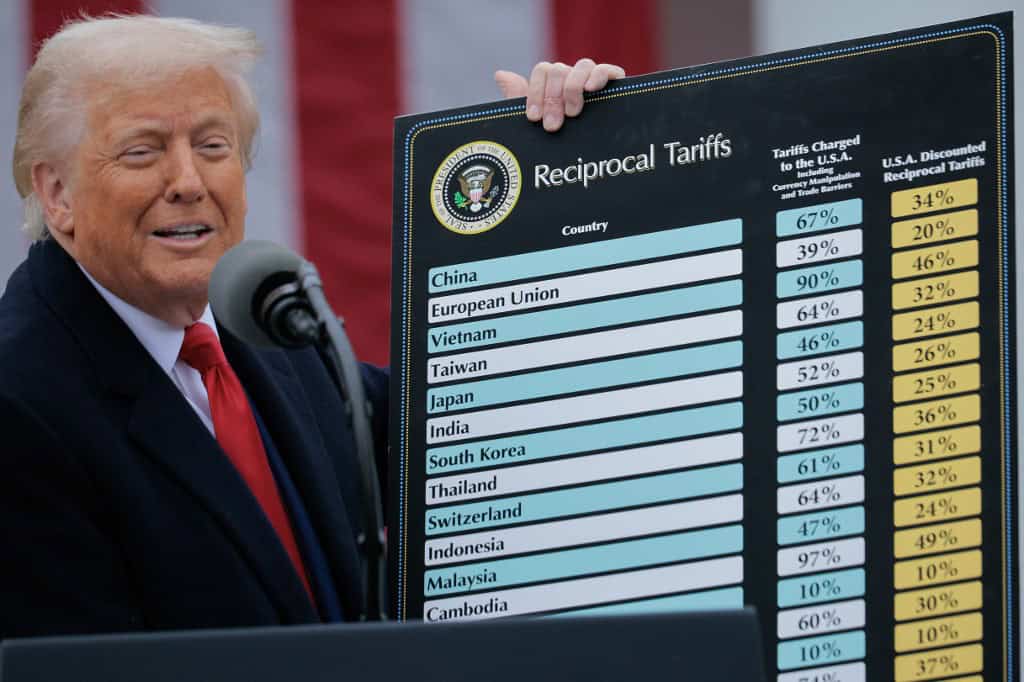
Costa Rica is still waiting for a fresh round of tariff talks with Washington as exporters push to recover the zero-tariff treatment they had under DR-CAFTA. The issue began in 2025, when the United States imposed new tariffs on Costa Rican goods. The rate first stood at 10% before rising to 15%, a move that caught exporters off guard and placed Costa Rica at a disadvantage against some regional competitors. More recent adjustments have put the current tariff at 10%, but the dispute remains unresolved.
For Costa Rica, the goal is to restore the trade conditions agreed under DR-CAFTA, the free trade agreement that had gradually eliminated tariffs on many goods moving between Costa Rica, the United States, Central America and the Dominican Republic. The Ministry of Foreign Trade has already held two rounds of negotiations with Washington, in May and June, but those talks have not yet produced relief for Costa Rican exporters. A third round has remained pending, leaving businesses to operate under continued uncertainty.
The United States is Costa Rica’s largest trading partner, taking roughly 47% of national exports. It is also our country’s leading source of foreign direct investment, making the outcome important far beyond the export sector. Any prolonged tariff pressure could affect investment decisions, free-zone operations, employment and the broader economy.
The medical device industry is one of the biggest concerns. The sector is Costa Rica’s main export engine and depends heavily on the U.S. market. Washington has also been reviewing whether medical device imports affect U.S. national security, raising the possibility of additional tariffs if that investigation moves against Costa Rican interests.
Costa Rican officials have argued that the country is not a threat to U.S. industry, but rather a strategic partner in secure and nearby supply chains. Medical devices made in Costa Rica are closely tied to U.S. companies, logistics networks and healthcare needs.
Former Foreign Trade Minister Manuel Tovar has defended the slow pace of the talks, saying the process is more complex because Costa Rica’s economy is more sophisticated than others in the region. Unlike countries that export a narrower range of goods, Costa Rica is deeply tied to advanced manufacturing, medical technology, semiconductors, services and other high-value sectors.
That complexity has made the talks harder to close. Washington has already reached agreements or trade frameworks with countries including Argentina, Ecuador, El Salvador and Guatemala, increasing pressure on Costa Rica to secure comparable treatment without accepting terms that could damage key industries.
The tariff dispute also comes as Costa Rica tries to protect its appeal as a nearshoring destination. The country has built its economic model around political stability, skilled labor, free-zone investment and close access to the U.S. market. Higher tariffs weaken part of that pitch, especially when competing countries can offer lower trade costs.
The new administration now inherits the file at a sensitive moment. Costa Rica does not want to rush into a weak agreement, but it also cannot afford to let competitors lock in better access to the U.S. market while its own exporters wait. For now, Costa Rica remains in a holding pattern: seeking tariff relief, defending its medical device industry, and trying to persuade Washington that restoring DR-CAFTA conditions is in the interest of both countries.





