

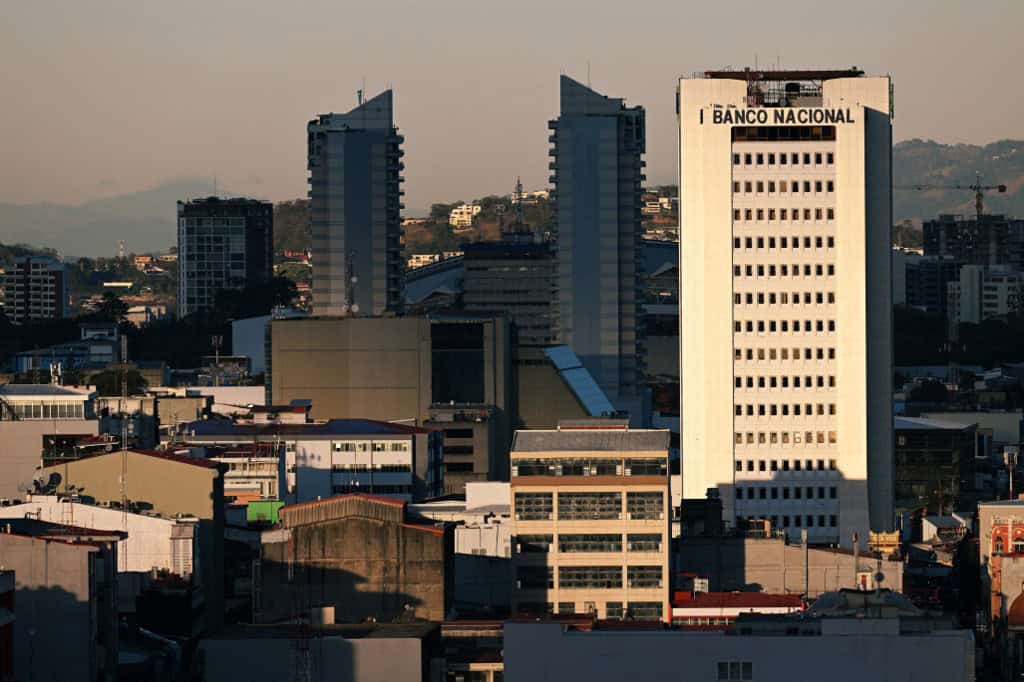
The Banco Central de Costa Rica (BCCR) has broken its all-time annual record for exchange-rate stabilization under the managed-float regime in place since 2015, intervening more aggressively in the foreign exchange market than in any full year since the system was adopted.
Between February 19 and May 18, the BCCR purchased $774 million on the Monex wholesale market in an effort to slow the colón’s appreciation against the U.S. dollar. The figure surpasses the previous record of $771 million, which had stood since 2017 and was set across that entire calendar year. The current total was reached in just under three months.
The reference dollar closed at ¢453.20 on Monday, May 18 — a fourth consecutive historic low and the latest milestone in a sustained strengthening of the colón that has reshaped the country’s economic landscape over the past year.
Under the managed-float regime, the BCCR allows the exchange rate to be determined primarily by market forces but intervenes when sharp movements threaten to destabilize the economy. Dollar purchases by the central bank are intended to absorb excess supply of foreign currency and ease downward pressure on the exchange rate.
The scale and pace of the current intervention reflect the persistent imbalance between dollar inflows — driven by tourism receipts, foreign direct investment and exporter conversions — and demand for the U.S. currency within Costa Rica.
The consequences of the stronger colón fall unevenly across the country’s residents. For expats and retirees who earn or draw income in dollars, the appreciation has steadily compressed purchasing power. Rent, groceries, utilities and services priced in colones now consume a larger share of dollar-denominated budgets than they did a year ago, eroding what was once a significant cost-of-living advantage for those relocating to Costa Rica with foreign savings or pensions.
For those earning in colones, the picture is reversed. Imported goods, international travel, foreign streaming subscriptions and dollar-denominated debt payments have become more affordable. Exporters and the tourism sector, however, continue to absorb the squeeze, as their dollar revenues convert into fewer colones to cover local costs such as payroll, supplies and taxes.
Whether the BCCR will sustain its current pace of intervention through the remainder of the year remains an open question. With more than seven months still left in 2026 and the annual record already surpassed, the trajectory suggests further dollar purchases are likely if the colón continues its downward run.





