

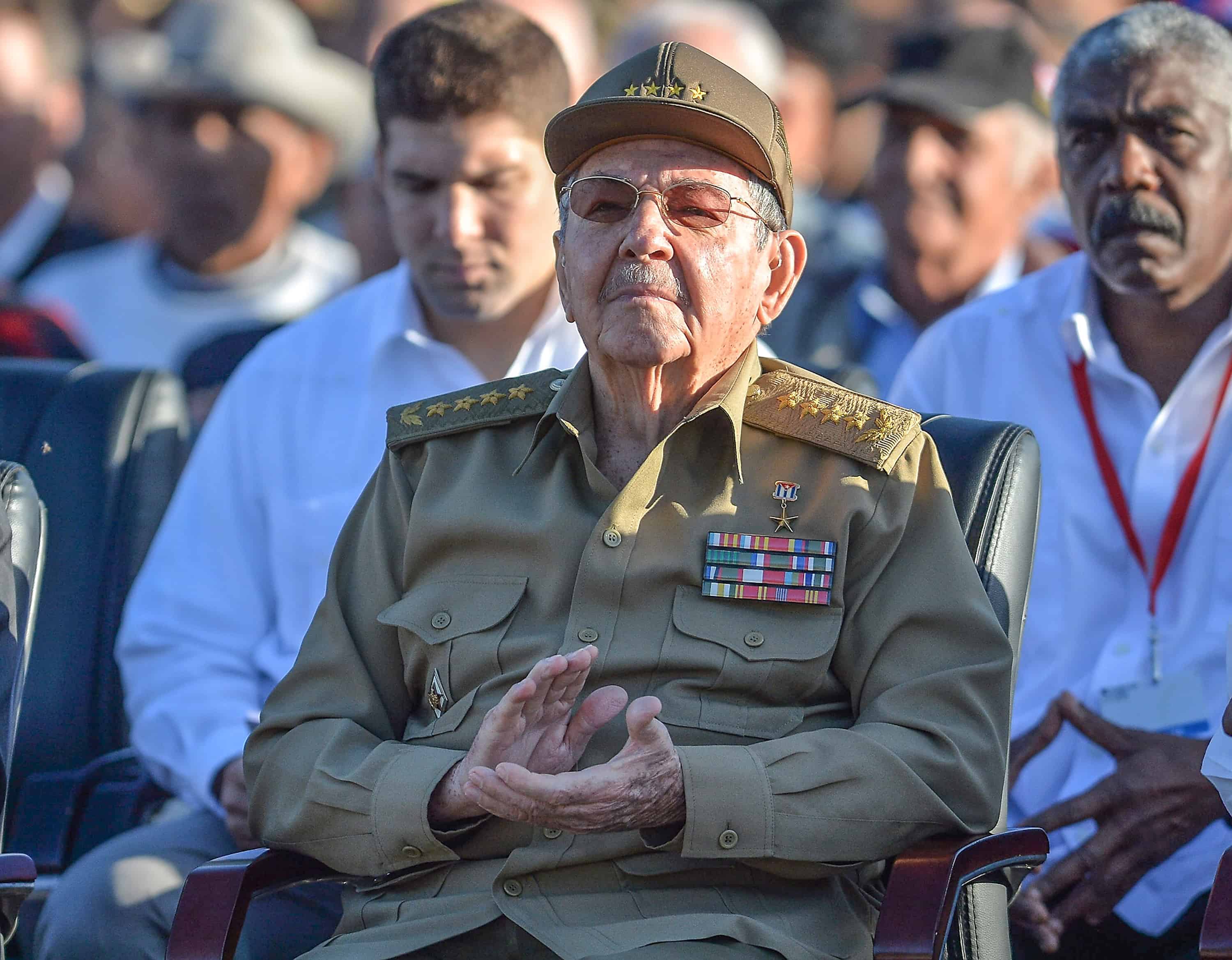
The US Justice Department is preparing to seek a federal indictment against Raúl Castro, Cuba’s former president, according to multiple officials familiar with the matter. The potential charges center on the February 24, 1996, downing of two unarmed civilian planes operated by the Miami-based humanitarian group Brothers to the Rescue. Cuban MiG fighters shot down the aircraft, killing four Cuban-American men.
Raúl Castro, now 94, served as Cuba’s minister of the armed forces at the time of the incident. Federal prosecutors in Miami are working on the case, which would require approval from a grand jury before any charges are filed. The move comes as the Trump administration ramps up pressure on Cuba’s government. Officials have not publicly confirmed the effort, and a Justice Department spokesperson declined to comment when asked about the reports.
The four men killed were pilots Carlos Costa, Armando Alejandre Jr., Mario de la Peña and Pablo Morales. A third Brothers to the Rescue plane escaped and returned to Florida. The group had been searching for Cuban rafters fleeing the island and had dropped leaflets over Havana earlier that day.
US and international investigators, including a probe by the International Civil Aviation Organization, determined the shootdowns occurred in international airspace. Cuba has long maintained the planes entered its territory and posed a threat.
The incident strained relations between Washington and Havana for years. It prompted Congress to tighten the US embargo through the Helms-Burton Act. In 2003, federal prosecutors charged three Cuban military officers in connection with the downing, but none were extradited.
Raúl Castro succeeded his brother Fidel as Cuba’s leader in 2008 and held the presidency until 2018. He remains a powerful figure on the island even in retirement. News of the possible indictment surfaced Thursday and Friday as the CIA director visited Havana for talks with Cuban officials. The timing has fueled speculation that the legal action forms part of a broader strategy to press Cuba’s communist government.
Some reports indicate federal authorities could unseal the indictment as soon as May 20 in Miami. That date marks a Cuban exile commemoration tied to the shootdown anniversary and broader independence observances. Miami’s Cuban-American community has long called for accountability over the 1996 deaths. Relatives of the victims and exile leaders have described the shootdown as a war crime carried out on orders from the highest levels of Cuba’s military.
Cuba has rejected past US criticism of the incident and views Brothers to the Rescue flights as provocations aimed at destabilizing the government. No immediate reaction from Cuban authorities to the latest reports has surfaced. If an indictment is approved and unsealed, it would mark the first time a former Cuban head of state faces US criminal charges tied to the decades-old case. Castro could not be extradited from Cuba, but the symbolic and diplomatic weight of such charges would be significant.
The development fits a pattern of US efforts to hold senior Cuban officials accountable through legal channels. It also arrives amid ongoing economic hardships on the island, including fuel shortages and power outages that have sparked protests. As of May 16, 2026, the Justice Department has not released any official statement on the matter. Prosecutors continue their work behind the scenes, according to the officials who described the plans.
The case, if it proceeds, would likely draw on declassified US intelligence and witness accounts from the time. It would also test the limits of holding aging former leaders responsible for actions taken during the height of Cold War-era tensions in the Caribbean.





