

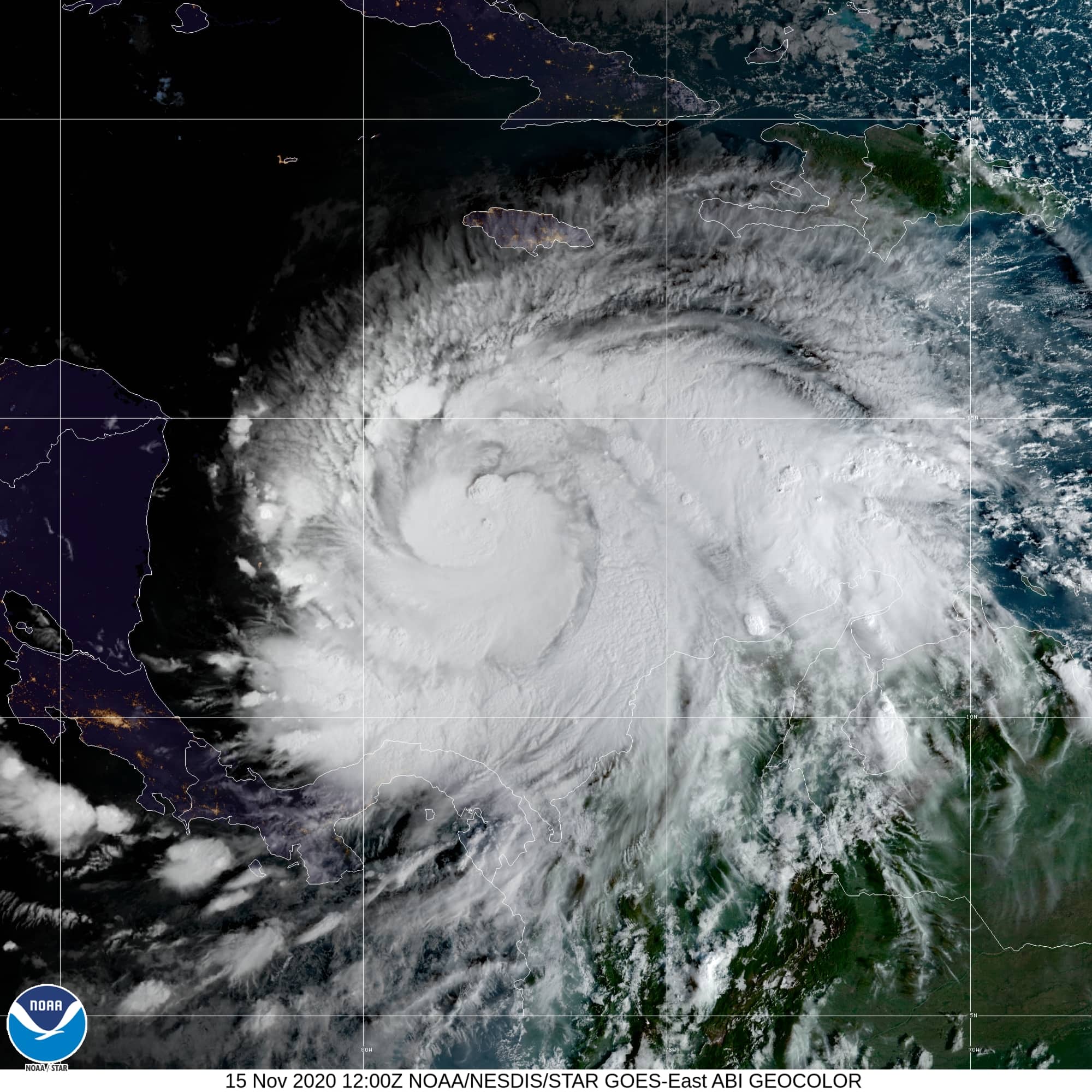
The Pacific hurricane season officially opens today, with regional forecasters warning of an active stretch ahead as Central American emergency agencies move into operational readiness. Guatemala’s National Coordinator for Disaster Reduction (CONRED), Honduras’s National Center for Atmospheric, Oceanographic and Seismic Studies (CENAOS) and other regional meteorological authorities confirmed the season will run through November 30. The Atlantic basin season follows on June 1, also extending through the end of November.
Forecasters anticipate between 18 and 21 tropical systems forming in the Pacific basin this year under the influence of El Niño conditions. Of those, eight to 10 are expected to reach hurricane strength, with three to five projected to intensify into major hurricanes of Category 3 or higher.
CENAOS noted that El Niño years typically shift tropical activity toward the Pacific coast of Central America while suppressing storm development in the Caribbean. The pattern has historically meant heavier rainfall, stronger swells and elevated landslide risk along the region’s Pacific slope, including Costa Rica’s coastline.
Despite the Caribbean’s reduced outlook, authorities across the isthmus urged everyone to remain vigilant through the late-season peak in October and November, when conditions for rapid storm intensification tend to be most favorable.
Costa Rican emergency officials routinely coordinate with regional counterparts during hurricane season, monitoring tropical waves and indirect effects that can trigger flooding, river surges and mudslides even when storms do not make direct landfall. Tourists, expats and residents along the Pacific coast are advised to follow updates from the National Meteorological Institute (IMN) and the National Emergency Commission (CNE) throughout the season.
For ongoing weather coverage, visit ticotimes.net/costa-rica-weather-forecast.





