

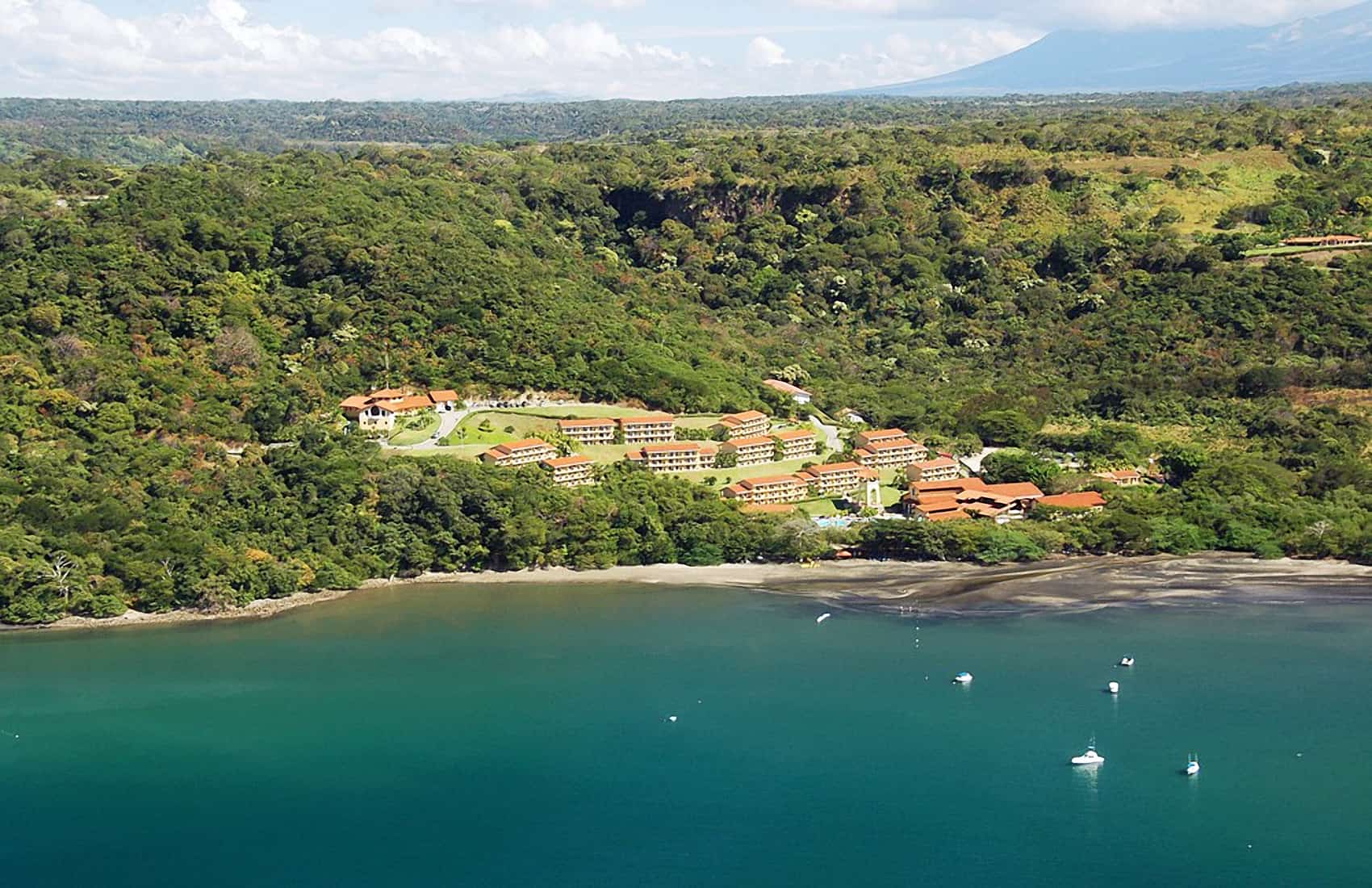
Hotel operators in Guanacaste and the Central Pacific report lower occupancy rates for February 2026 than in the same month of 2024 and 2025. A survey by the Costa Rican Chamber of Hotels shows an average national rate of 77 percent for early 2026, down from 84 to 85 percent in prior years.
Guanacaste hotels hit 88 percent occupancy, while those in the Central Pacific reach 73 percent. These numbers mark the lowest projections since 2022 for the start of the year.
Unusual weather patterns play a part in the dip. A cold front swept through the country in early February, dropping temperatures to as low as 10 degrees Celsius in mountain areas. Strong winds gusted up to 100 kilometers per hour in Guanacaste’s cordillera, with occasional rains hitting the Central Pacific and southern zones. The Institute of Meteorology notes that February typically stays dry on the Pacific side, but this year saw more precipitation in the central and southern Pacific through mid-month.
Airfare costs also factor into the trend. While round-trip tickets from the United States average $239 dollars – lower than last year and ranking Costa Rica among the most affordable destinations – prices from Europe and other regions show increases. This shift affects visitor numbers from key markets outside North America.
Despite the slowdown, airports logged high traffic in January and early February. Tourism officials point to a 1 percent rise in arrivals for 2025 overall, with new routes from airlines like Spirit and WestJet adding connections from Miami and Vancouver.
Hotel chains respond with expansions. Marriott and Hilton plan new sites in Guanacaste and the Central Valley for later in 2026, aiming to add rooms and draw more guests. All-inclusive resorts in Guanacaste, such as Riu Guanacaste and Secrets Papagayo, offer deals starting at 880 dollars for packages, reflecting efforts to fill beds.
Operators here express concern over the weather’s impact. Cold fronts bring chilly nights and windy days, which deter beachgoers who expect steady sun. In the Central Pacific, spots like Manuel Antonio see fewer bookings as rains disrupt outdoor activities.
The Chamber of Hotels urges travelers to check forecasts and book flexible options. With dry conditions expected by late February, rates may rebound as the high season continues.
Industry leaders remain optimistic. Growth in luxury segments, with 26 new projects worth over 720 million dollars set for 2025-2026, signals confidence in recovery. These developments focus on Guanacaste’s Papagayo area and the Central Pacific, bringing jobs and upscale offerings.
Visitors still find value in Costa Rica’s beaches and nature. Guanacaste’s Pacific coast draws surfers and families, while the Central Pacific offers wildlife in national parks. Lower airfares from the U.S. make short trips feasible, even with the current occupancy trends.
As February progresses, hoteliers monitor bookings closely. Clearer skies could lift numbers, but the early softness highlights how weather and travel costs shape tourism patterns.





