

Former president of the Costa Rican Social Security Fund (CCSS) and newly elected deputy Marta Esquivel has pushed her defense in the Barrenador case to the Inter-American Court of Human Rights. She argues that the investigation amounts to political persecution and has caused significant harm to her reputation. This move comes as the probe into alleged irregularities at the CCSS keeps fueling discussions among lawmakers and public officials.
Esquivel, a lawyer with a background in labor and social security law, led the CCSS until her removal in 2024 amid the Barrenador scandal. Authorities detained her that year as part of an inquiry into potential mismanagement and financial discrepancies within the institution. Prosecutors named her as a suspect, leading to raids and public scrutiny that she now calls unjust.
In a recent appearance before a legislative commission examining CCSS operations, Esquivel detailed her grievances. She described the case as a fabricated effort to target her politically. “The Barrenador case was nothing more than a creation of political persecution,” she stated during the session. She added that Costa Rica’s judicial system failed her, prompting the appeal to the international body.
The commission, chaired by deputy Andrea Álvarez, summoned Esquivel to address claims of pressure and irregularities during her tenure. Her name surfaced repeatedly in testimonies from other former officials. However, Esquivel missed an earlier hearing, citing travel abroad. She informed the panel via email that she was out of the country but eager to present her side, including details of her international complaint.
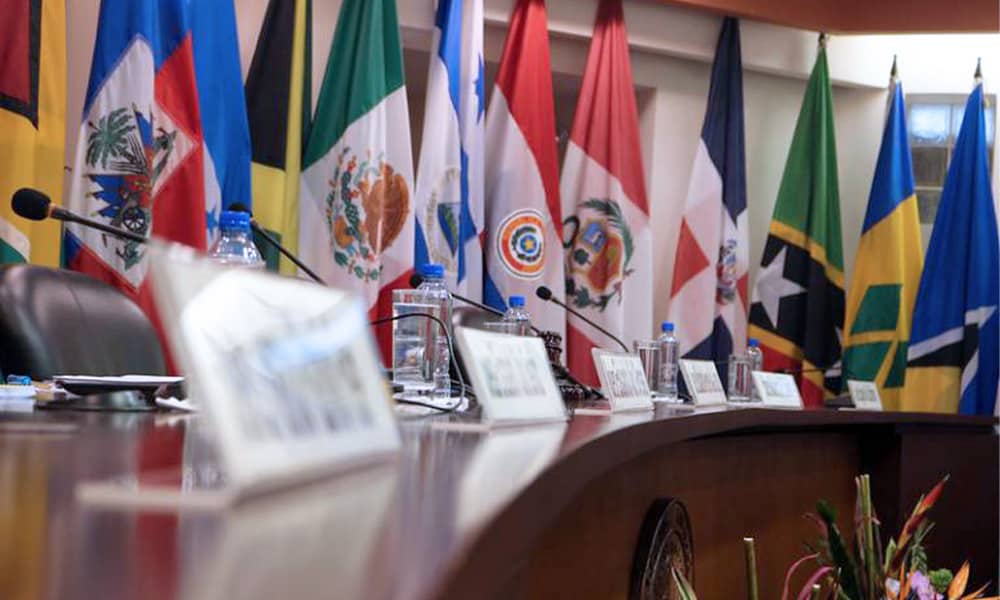
The Inter-American Court, based in San José, handles human rights violations across the Americas. Esquivel’s filing includes accusations of moral damage from statements by deputies from the National Liberation Party (PLN) and the Broad Front (FA). She did not specify the exact remarks but emphasized their impact on her standing.
This development complicates an already tangled legal process. In November 2024, the Constitutional Court ruled against the state for mishandling Esquivel’s transfer during her detention, condemning procedural errors. More recently, the court ordered the CCSS to release documents that could reveal accounting manipulations tied to the case. These files might shed light on decisions like halting the institution’s investment portfolio under Esquivel’s leadership—a move some former directors later called a mistake.
Esquivel’s political path has evolved amid the controversy. After leaving the CCSS, President Rodrigo Chaves appointed her as Minister of National Planning and Economic Policy in early 2025. She later ran for deputy with the Sovereign People Party (PPSO) and won a seat in the recent elections. As a sitting legislator, she now enjoys immunity, which could require assembly approval for any further prosecution steps. The case must also shift to the attorney general’s oversight, involving the full Supreme Court.
Former CCSS executives implicated in Barrenador have largely stayed silent. In a January commission session, three out of six summoned refused to answer questions, citing ongoing investigations. Others avoided specifics on financial choices, though one acknowledged errors in investment handling.
The Barrenador probe originated from reports of internal pressures and potential fund misuse at the CCSS, an institution central to Costa Rica’s health system. Critics point to delays in modernizing systems, like implementing an ERP-SAP for better financial tracking. Esquivel defended her record, noting challenges from outdated infrastructure and external attacks.
Public reaction remains divided. Some see the case as essential accountability for a key public entity facing funding strains. Others view it as overreach, especially given Esquivel’s claims of bias. The commission continues its work, with more hearings planned.





