

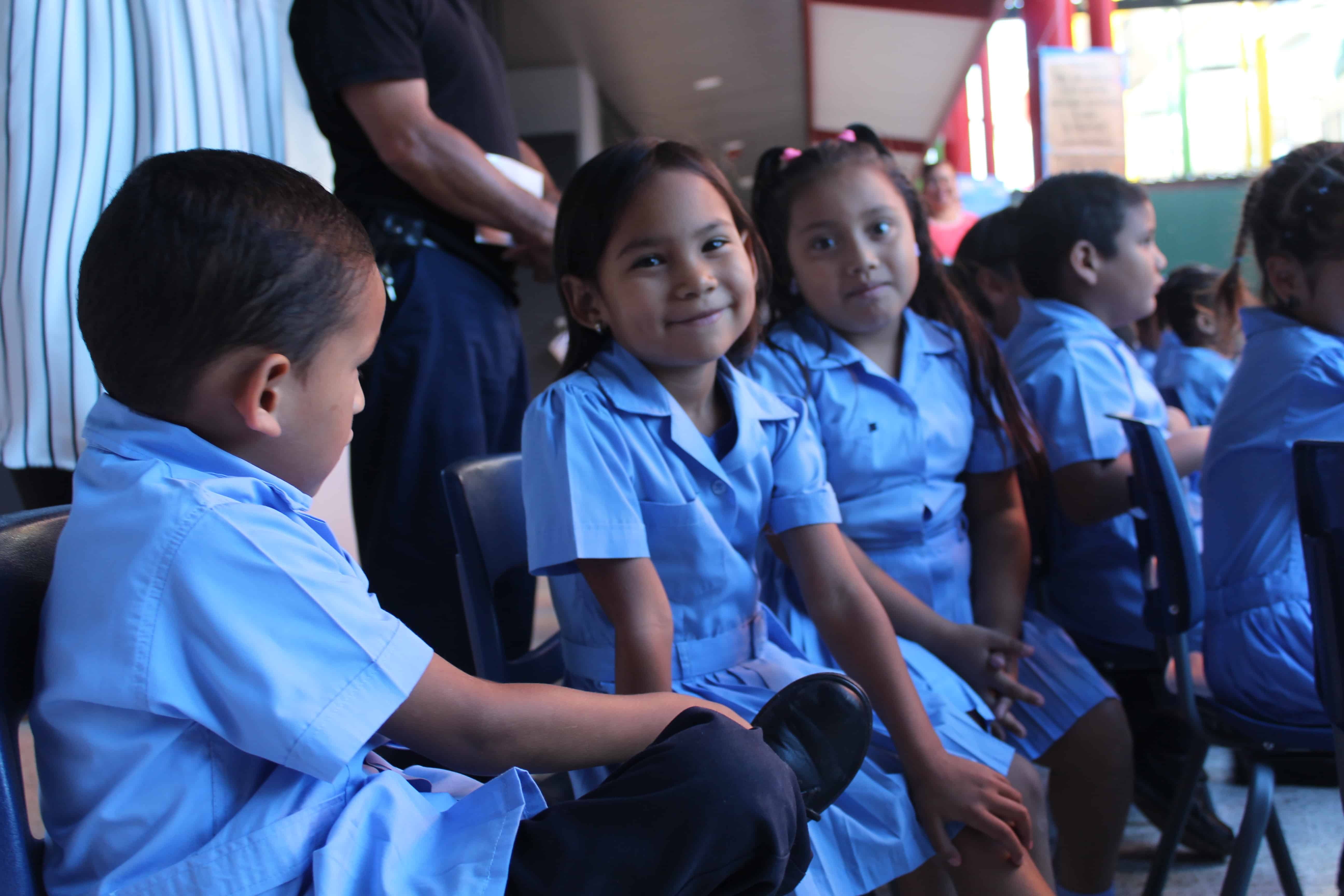
The Ministry of Public Education (MEP) has rolled out a pilot program that allows some three-year-old children to begin preschool this year. The move targets earlier access to structured learning and aims to build stronger skills in young students across the country.
Officials presented the plan to the Consejo Superior de Educación late last year. It focuses on expanding preschool, known as Interactivo I, to include children who turn three by February 15, 2026. The program operates in selected public and private centers that meet specific infrastructure standards. Each participating kindergarten can form one group of up to 18 children, staffed by two teachers.
Enrollment opened from February 9 and goes to the 12th, giving families a short window to sign up. Parents need to contact their local school to confirm participation and complete the process. The MEP selected sites based on available space and resources, ensuring the pilot runs smoothly in areas like Sixaola, Nicoya, Grecia, and Turrialba, among others.
Minister Leonardo Sánchez explained that the initiative marks a step toward broader early education. It builds on Costa Rica’s existing system, where preschool typically starts at age four. By including younger children, the program seeks to improve cognitive and social development from the start. Studies show that early intervention leads to better outcomes in reading, math, and behavior later on.
For families, this means more options for child care combined with education. The MEP plans to evaluate the pilot’s results before deciding on full expansion. If successful, it could reach all three-year-olds in coming years.
The 2026 school year itself begins on February 23, following two weeks of mandatory training for over 90,000 educators from February 9 to 20. This delay allows staff to update skills in areas like technology and student support. The training covers all levels, from preschool to high school, and includes new hires in fields such as psychology, nutrition, and security.
Costa Rica already provides free public education from preschool through secondary levels. Coverage has grown in recent years, with preschool reaching full enrollment for four- to five-year-olds. Primary school attendance stands at 95%, while secondary is at 84%. The country invests heavily in education, ranking high in global assessments for quality.
This pilot fits into larger efforts to modernize the system. The MEP has increased English instruction from preschool and expanded technical training. It also added 400 new positions this year for specialists in autism support, orientation, and technology.
Parents interested in the program should check with their nearest center. The MEP website offers details on eligible schools and requirements. As the year progresses, officials will share updates on the pilot’s impact.
The change comes at a time when families face rising costs for private child care. Public options like this could ease that burden while preparing children for formal schooling.





