

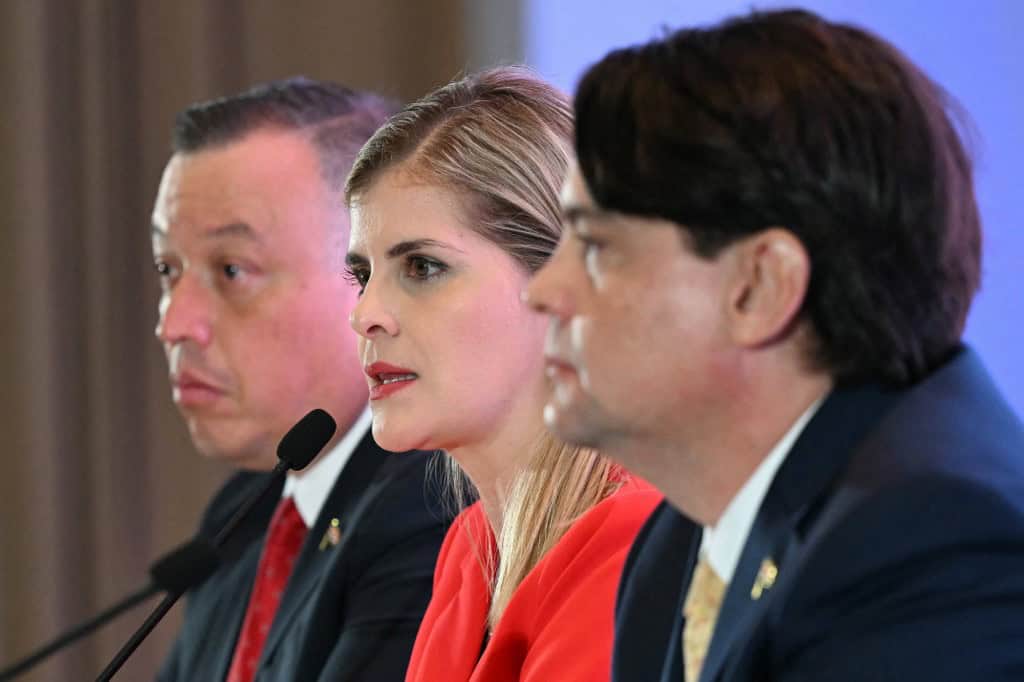
Laura Fernández secured the presidency of Costa Rica on February 1, 2026, with 48.3 percent of the vote. She cleared the 40 percent mark needed to claim victory in the first round, avoiding a runoff. As the candidate from the Sovereign People’s Party, she follows Rodrigo Chaves, who leaves office in May. At 39, Fernández becomes the second woman to lead the country after Laura Chinchilla.
Her win stands out in recent history. No candidate has taken the presidency in the first round since 2010. Voters turned out at nearly 70 percent, showing strong engagement. Fernández campaigned on fighting crime, boosting security, and pushing reforms. She called her result a clear signal for change.
In the Legislative Assembly, her party gained 31 of 57 seats. This gives them control over day-to-day decisions. The National Liberation Party holds 17 seats, the Broad Front has seven, and smaller groups share the rest. This setup shifts power toward the executive, the strongest in years.
A first-round win builds momentum. It lets Fernández start strong without runoff deals. She can set the agenda early, focusing on her priorities like tougher laws against drugs and violence. Supporters see it as backing for her plans. Yet the Assembly’s rules limit what she can do alone. Laws fall into two main types based on votes needed.
Most reforms pass with a simple majority. That means 29 votes, or half the Assembly plus one. With 31 seats, her party handles these without help. They cover criminal code changes, police budgets, and routine bills. Fernández can move fast on security measures, her main promise.
Deeper changes need a qualified majority. This requires 38 votes, or two-thirds of the Assembly. Her party falls short by seven. These votes apply to constitutional shifts, like allowing reelection or reshaping courts. Tax hikes, foreign loans, and Supreme Court picks also demand 38. Even declaring emergencies that limit rights needs this level.
Bottlenecks appear here. Opposition groups, like the National Liberation Party, resist ideas they view as too aggressive. Fernández wants judicial overhauls to speed trials and executive tools for crises. Without deals, these stall. Her party controls committees and the floor, but qualified votes force talks.
History shows presidents with majorities push ordinary laws through. Chaves faced blocks on big reforms due to splits. Fernández has more seats, but the 38-vote wall remains. She might seek alliances on specific issues, trading favors. Referendums offer another path, but starting one often needs 38 votes too. Some changes, like territorial ones, require even more. The system balances power, preventing quick overhauls.
Fernández takes office May 8. Her team plans to act on crime first, using simple majorities. Longer-term goals, like reelection rules, test her skills in building support. Voters expect results on safety, the top concern. This election marks a rightward move. The Sovereign People’s Party now dominates, but checks persist. Fernández must navigate these to deliver.





