
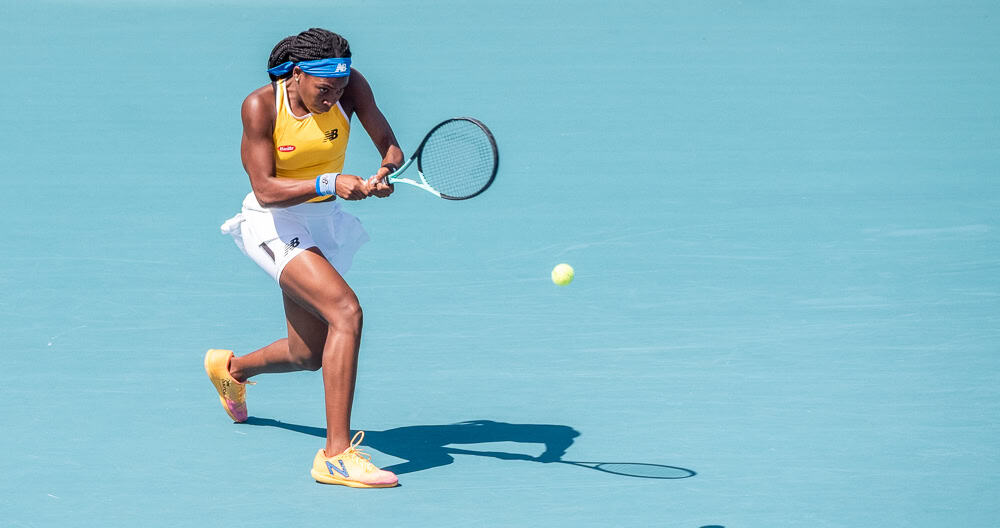
As the 2026 Australian Open begins on Sunday, top tennis players welcome the tournament’s record prize pool but call for deeper changes across all Grand Slams. The event’s total purse rose 16 percent to A$111.5 million (US$75 million), with singles champions set to earn A$4.15 million each – a 19 percent jump from last year.
Coco Gauff, the world number three and two-time major winner, described the increase as a step forward during a Friday press conference. She stressed that players seek a larger slice of tournament revenues. “The percentage is still, of revenue comparison, not where we would like it,” Gauff said. “I think there’s still further conversations that have to be had, not just with the Australian Open, but with all the slams.”
Last year, leading men and women in tennis formed a united front. They demanded higher revenue shares from the four majors, along with support for player welfare, including pensions. They also pushed for input on decisions that impact their careers. Gauff noted the shared view among players: “The collective feeling is that, yes, there’s been progress, but I still think it’s not where we would like to see it.”
She hinted at escalating efforts if needed. “I think no one wants this conversation to be continuing for years and years,” Gauff added. “So I would imagine that we would continue to have those conversations and maybe more pressure being applied with especially the top 10.”
Alexander Zverev, last year’s Australian Open runner-up and current world number three, expressed frustration. “Don’t really feel like there’s any progress, to be honest,” the German player said. “I feel like it’s just a lot of talk, a lot of time invested into it, and not really any changes.”
Aryna Sabalenka, the women’s world number one and four-time Grand Slam champion, echoed the call for improvement. She has joined Gauff in representing players during talks with the majors. When asked if the Australian Open’s boost suffices, Sabalenka replied: “I think we always can do better. But I think all of the slams, they are trying to work together with us and come to a conclusion. I hope one day we’ll get to a happy place for everyone.”
Players argue these reforms would strengthen tennis overall, aiding lower-ranked competitors and the sport’s growth. The Australian Open’s revenue reportedly reached A$467 million last year, fueling demands for fairer distribution. The tournament’s organizers point to the prize hike as evidence of commitment. Increases apply across all rounds, with qualifiers seeing a 16 percent rise. Early-round losers in singles will pocket A$120,000, up from last year.
This push reflects broader shifts in tennis. Players increasingly organize to address pay gaps and sustainability. Gauff and others emphasize that stronger support helps everyone, from rising talents to veterans. As matches start, the focus shifts to the court. Gauff opens against a qualifier, while Sabalenka defends her title. Zverev aims to go one better than his 2025 final loss. Yet the off-court dialogue lingers, with players determined to shape the sport’s future.
The Australian Open runs through February 1, featuring stars like Iga Swiatek, Jannik Sinner, and Carlos Alcaraz. Organizers expect packed crowds and global viewership, underscoring the event’s commercial draw.