
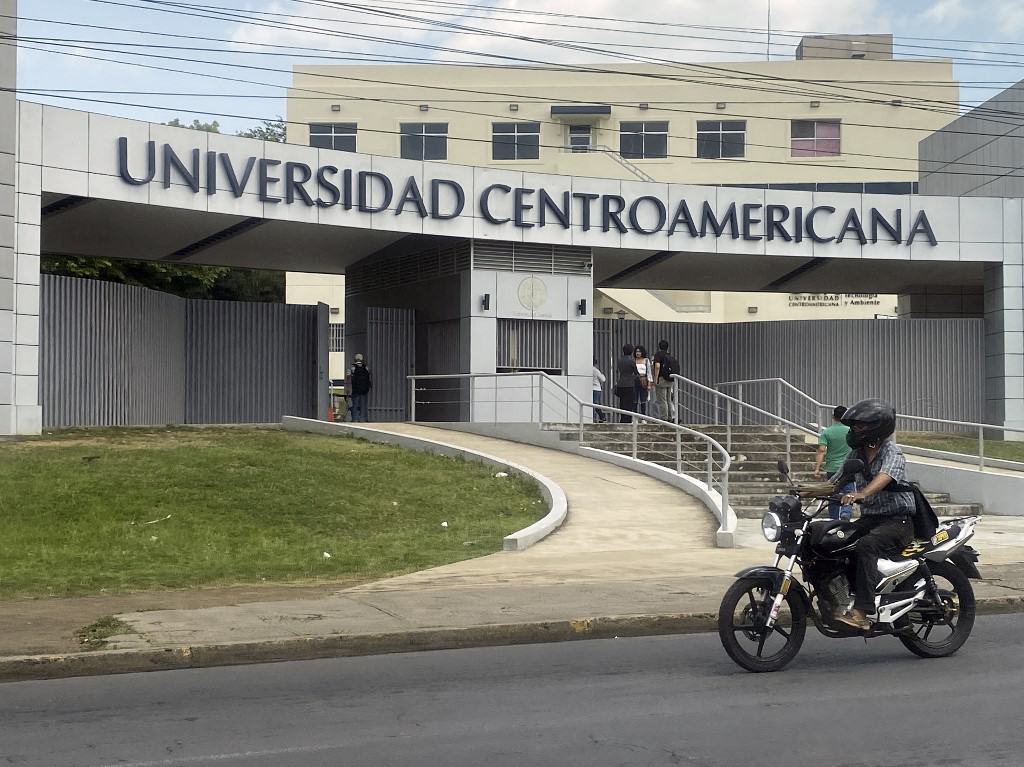
Nicaragua’s Attorney General’s Office asserted this Friday that it has “legally recovered” properties from opponents, universities, and NGOs, within the framework of trials or administrative decisions for non-compliance with laws, and not “confiscated” as these groups denounce.
“The State reiterates its strict compliance with the respect for Private Property, in accordance with the provisions of article 44, last paragraph, of our Political Constitution, which prohibits the confiscation of assets,” stated the state entity.
The properties that have come into the possession of the State, in an unspecified quantity by the Attorney General’s Office, have been allocated for the service of the population as health centers, education in various areas, and for the benefit of vulnerable sectors, it argued.
On Thursday, the Pro Transparency and Anti-Corruption Observatory, from the NGO Let’s Make Democracy, canceled in 2018 but operating from Costa Rica, denounced that since that year, President Daniel Ortega’s government “has confiscated” at least 135 properties, with an estimated value of 250 million dollars.
According to the observatory, these actions increased in 2023 after the release and expulsion of 222 opponents and the denationalization of 94 citizens accused of “treason against the homeland.” However, the Attorney General’s Office reiterated its rejection of these being confiscations.
“The State has been transferred, and has legally recovered for the Nicaraguan People, properties, derived from criminal processes for Drug Trafficking, money laundering; for the Commission of Crimes against Citizen Security, Sovereignty (…); as well as Resolutions issued administratively, for non-compliance with the legislation that regulates NGOs,” it said.
“With full exercise of its Sovereignty, the State of Nicaragua restored the aforementioned assets in favor of the Nicaraguan People, as they are the most affected by criminal actions and non-compliance,” it added.
The transfer of properties to the State occurs within the framework of the toughening of laws in Nicaragua on civil associations after the protests against the government in 2018, which in three months of roadblocks and clashes between opponents and supporters left more than 300 dead, according to the UN.
The Ortega government, which considered these demonstrations as an attempted coup d’état promoted by Washington, assured that opponents and some NGOs financed them. The opposition claims that as of April, 3,494 NGOs and 29 universities have been closed down.