

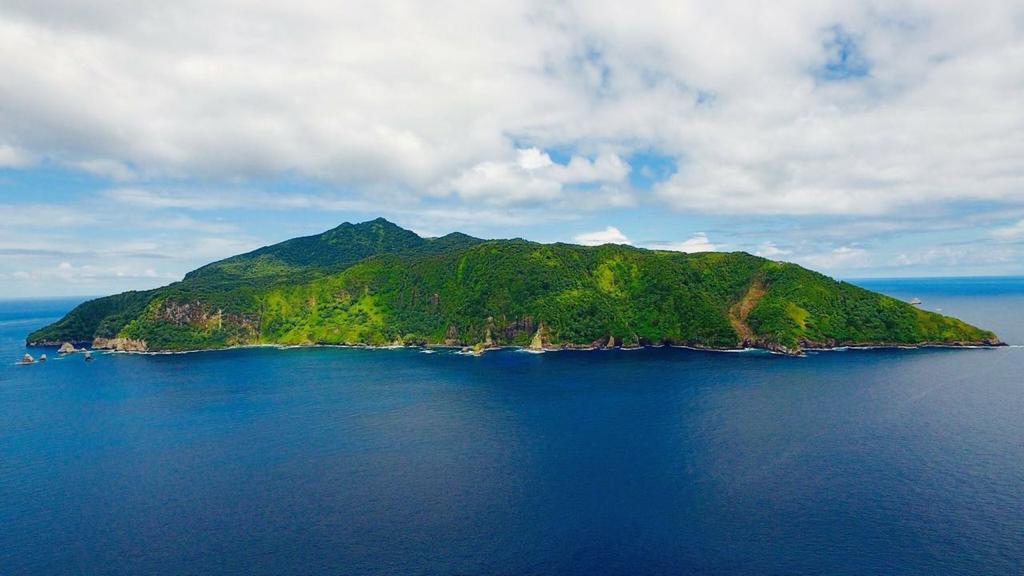
A group of orcas has been spotted near Costa Rica’s Cocos Island, giving park rangers a rare look at one of the ocean’s most recognizable predators in waters where the species is only occasionally reported. Between four and five orcas were observed around midday yesterday near Manuelita Islet, just off Cocos Island.
Park rangers found them while carrying out routine monitoring in the waters surrounding Cocos Island National Park. Several of the orcas appeared to be juveniles, raising the possibility that the animals were traveling as part of a family group. The encounter was captured on video.
While orcas can travel enormous distances and have previously been documented in Costa Rican waters, they are not considered regular visitors around Cocos Island. The remote national park is much better known for marine species that are routinely encountered there, including hammerhead sharks, whale sharks, manta rays and dolphins.
Scientific records show just how unusual an orca encounter around the island can be. A study examining Costa Rican Pacific sightings between 1990 and 2020 identified 31 reported orca encounters involving 105 animals throughout the country’s Pacific waters. Only four of those sightings, involving a total of 10 animals, were recorded around Cocos Island.
The South Pacific accounted for the largest number during the study period, with 17 sightings involving 56 animals. Researchers have not established that the latest appearance represents any broader change in the distribution of orcas around Costa Rica. Orcas are highly mobile animals capable of traveling long distances while searching for food. Their movements can be influenced by prey availability as well as changing ocean conditions.
The waters surrounding Cocos Island provide an unusually rich marine environment. Ocean currents and underwater mountains help concentrate nutrients and marine life around the island, supporting large populations of fish and other animals that can potentially attract top predators.
Orcas are opportunistic hunters with diets that vary significantly between populations. Depending on where they live and the group involved, they can feed on fish, rays, sharks, sea turtles and marine mammals. Their presence in Costa Rica is not unprecedented.
Occasional sightings have been documented for decades along the country’s Pacific coast, with previous reports occurring in the northern, central and southern Pacific as well as around Cocos Island. However, researchers still know relatively little about the orcas that pass through tropical waters compared with populations studied in areas such as the Pacific Northwest, Norway and Antarctica.
That makes individual sightings potentially useful for understanding when the animals appear in Costa Rican waters and where they travel. The latest encounter also highlights the extraordinary marine biodiversity surrounding Cocos Island, located approximately 550 kilometers (342 miles) off Costa Rica’s Pacific coast.
Its isolation and surrounding protected waters have made the island one of Costa Rica’s most important marine conservation areas and an internationally known destination for experienced divers.
For now, yesterday’s encounter appears to be another uncommon visit rather than evidence that orcas are becoming regular residents around the island. But for the park rangers conducting their routine monitoring, it provided a rare encounter with a species that can pass through Costa Rican waters without being seen for long periods.





