

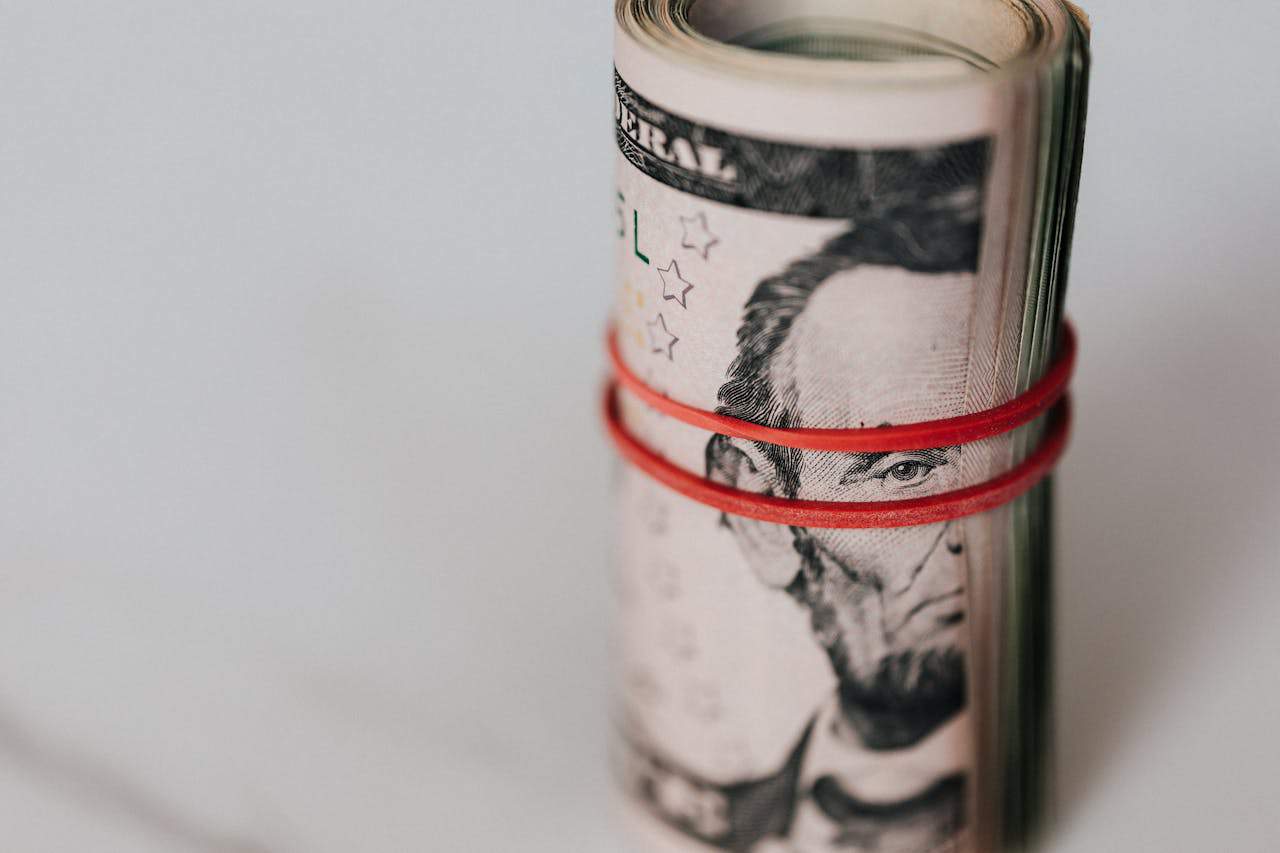
The Banco Central de Costa Rica set its reference exchange rate on Wednesday at ₡449.80 for the purchase of United States dollars and ₡455.01 for their sale, holding the colon at a level of strength that has persisted through much of the year and that continues to shape the purchasing power of every household whose income arrives in a foreign currency.
The reference rate is not the rate most people encounter at a bank counter. The Central Bank calculates it from transactions carried out on Monex, the wholesale foreign exchange market where financial institutions trade currency among themselves, and publishes it each business day as the country’s official benchmark.
Commercial banks set their own window rates independently, and those figures routinely sit several colones on either side of the reference. A traveler exchanging cash at an airport counter or a resident converting a pension deposit will almost always receive less favorable terms than the published benchmark suggests, which is why the reference rate functions as a measure of the currency’s value rather than as a quotation any individual can transact at.
The exchange rate sits within a monetary policy framework that the Central Bank has kept deliberately still. The Monetary Policy Rate stands at 3.00 percent, with the deposit facility at 2.25 percent and the credit facility at 3.75 percent. The basic passive rate, the reference figure that governs a large share of colon-denominated lending and savings products in Costa Rica, was reported at 3.64 percent. The effective rate on dollar deposits stood at 3.04 percent, meaning savings held in colones currently earn a higher nominal return than equivalent balances held in dollars, one of several conditions that has supported demand for the local currency.
Inflation remains the anomaly in the picture. The Central Bank reported year-on-year inflation at negative 0.318 percent through June, against an official target of 3 percent with a tolerance band of one percentage point in either direction. That places the country in mild deflation and well beneath the range the Central Bank aims for.
Falling consumer prices have accompanied the currency’s appreciation, since a stronger colon reduces the cost of imported goods, fuel among them, and those reductions filter through the price index. The combination has produced an unusual situation in which the cost of living measured in colones has edged downward while the cost of living measured in dollars has risen.
Economic activity has continued to expand through the period. The Central Bank’s monthly index of economic activity, measured on a trend-cycle basis, recorded year-on-year growth of 3.541 percent through May.
For anyone converting foreign currency into colones, the arithmetic is direct. At Wednesday’s reference purchase rate, a monthly income of $2,000 converts to roughly ₡899,600, and $5,000 to approximately ₡2,249,000. Those same amounts would have yielded substantially more colones during the period of weaker currency that preceded the appreciation, and the difference is absorbed entirely by rent, groceries, utilities, school fees and every other obligation denominated in local currency. Fixed incomes arriving from abroad have not adjusted, while the colon amounts those incomes must cover have not fallen in proportion.
The reverse applies to exporters and to businesses that earn in colones while carrying dollar-denominated debt, for whom the stronger currency reduces the local-currency burden of repayment but compresses margins on goods sold abroad. Tourism operators who price in dollars and pay wages, rent and suppliers in colones sit on the difficult side of that equation, absorbing the gap between a stable dollar price and rising colon costs.
The Central Bank publishes the reference rate each business day, along with window rates reported by commercial banks and a summary of Monex trading. The rate does not update on weekends or public holidays, when Friday’s figure carries forward until the next business day.





