

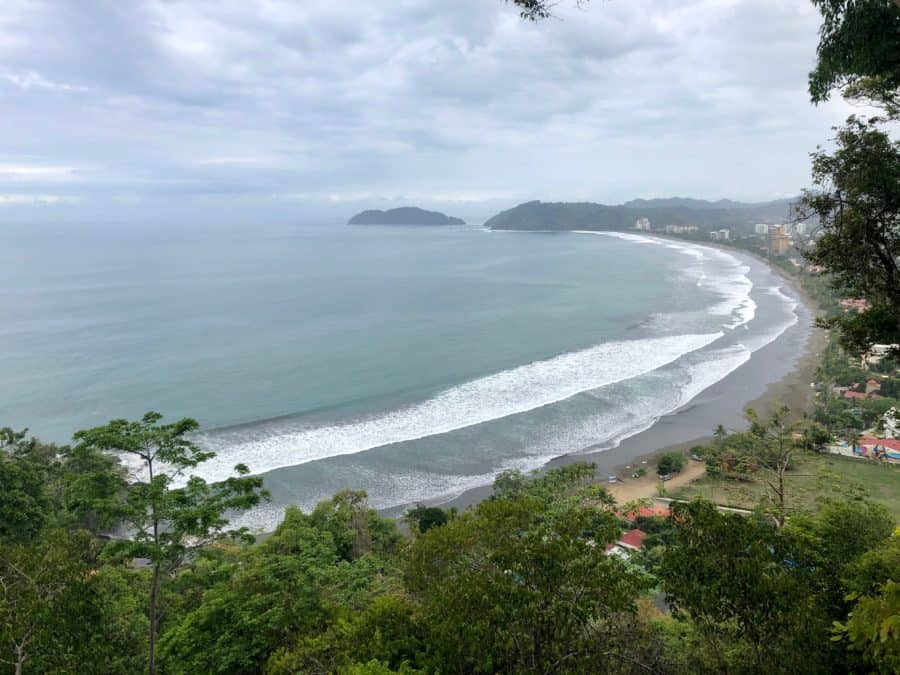
Garabito Mayor Francisco González has started a national backlash after proposing a 70-hectare “permissive area” in Jacó where sex work, nightlife and eventual regulated drug use could be concentrated away from the beach town’s center. The idea drew sharp rejection from lawmakers, the Attorney General’s Office, the National Tourism Chamber and the Ombudsman’s Office, turning a local zoning proposal into a wider debate over Costa Rica’s sex-tourism reputation, public safety and the limits of municipal power.
González has argued that Jacó is already dealing with visible prostitution, drug sales and related crime, particularly at night, and that moving those activities into a controlled zone would help return the center of town to families and mainstream tourism. In local interviews, he said he was not trying to promote drugs or prostitution, but to regulate what already exists.
Critics say the proposal would do the opposite. Attorney General Carlo Díaz called the comments “unfortunate” and warned that the country should not normalize sexual exploitation or create a place that makes life easier for drug traffickers. Tourism leaders said Costa Rica should not send the message that it is willing to market any part of the country as a destination for sex tourism or drug use.
The controversy comes after a Revista Dominical investigation documented Jacó’s sex-tourism economy, including the presence of U.S. and Canadian visitors, bars, casinos and alleged links to organized crime and money laundering. The report put national attention on a subject that residents, police and tourism operators have discussed for years: Jacó is one of Costa Rica’s main Pacific beach towns, but it also carries one of the country’s most visible sex-tourism reputations.
That distinction matters for foreign readers. In Costa Rica, adult consensual sex work itself is not treated the same way as trafficking, pimping or sexual exploitation. But Costa Rican law does punish anyone who promotes, recruits, induces or keeps another person in prostitution. It also punishes those who exploit another person’s earnings through coercion, facilitate commercial sexual exploitation of minors, or use businesses tied to tourism to enable abuse.
Drug laws are also more complicated than the mayor’s proposal suggests. Personal consumption is treated differently from trafficking, but the sale, supply, production, storage and distribution of illegal drugs remain crimes. Establishments that allow people to gather on site to consume controlled drugs can also face criminal penalties.
That is why legal experts and political critics say a municipality cannot simply create a local exception to national criminal law. A zoning plan can define land use, permits and business activity. It cannot legalize conduct that Costa Rican law forbids. Any major change involving drugs, commercial sex regulation or public-health controls would have to come through the national government and the Legislative Assembly.
The debate widened further after it was reported that González floated the idea of a “prostitution card” for sex workers in Jacó. Critics said any registry tied to health status, migration status or nationality would raise serious privacy, discrimination and enforcement concerns, especially for migrant women and people already vulnerable to abuse.
Canatur, our national tourism chamber, said Costa Rica’s tourism model is built on nature, sustainability, security, family travel and respect for communities. Its president, Martí Jiménez, warned that not every possible source of tourism income is acceptable if it damages people’s dignity, local security or the country’s international image.
For Jacó, the stakes are immediate. The town remains a major stop for Costa Ricans, expats, surfers, digital nomads and North American visitors headed to the Central Pacific. It is also close to Herradura, Los Sueños, Playa Hermosa and Manuel Antonio, making its reputation important beyond one district.
The question now is whether the backlash becomes a broader policy discussion or simply buries the mayor’s proposal. González has said Costa Rica should talk openly about problems that policing alone has not solved. His critics agree the problems are real, but say the answer must focus on policing, health services, trafficking investigations, migrant protection, child protection and stronger oversight of nightlife businesses.
The backlash leaves Jacó facing the same problem without an easy answer. Officials broadly agree that prostitution, drugs, trafficking risks and organized crime cannot be ignored in one of Costa Rica’s best-known beach towns. But the response, they argue, should come through stronger policing, health services, child protection, trafficking investigations and oversight of nightlife businesses, not a designated zone that could deepen the very reputation Costa Rica is trying to move past.





