

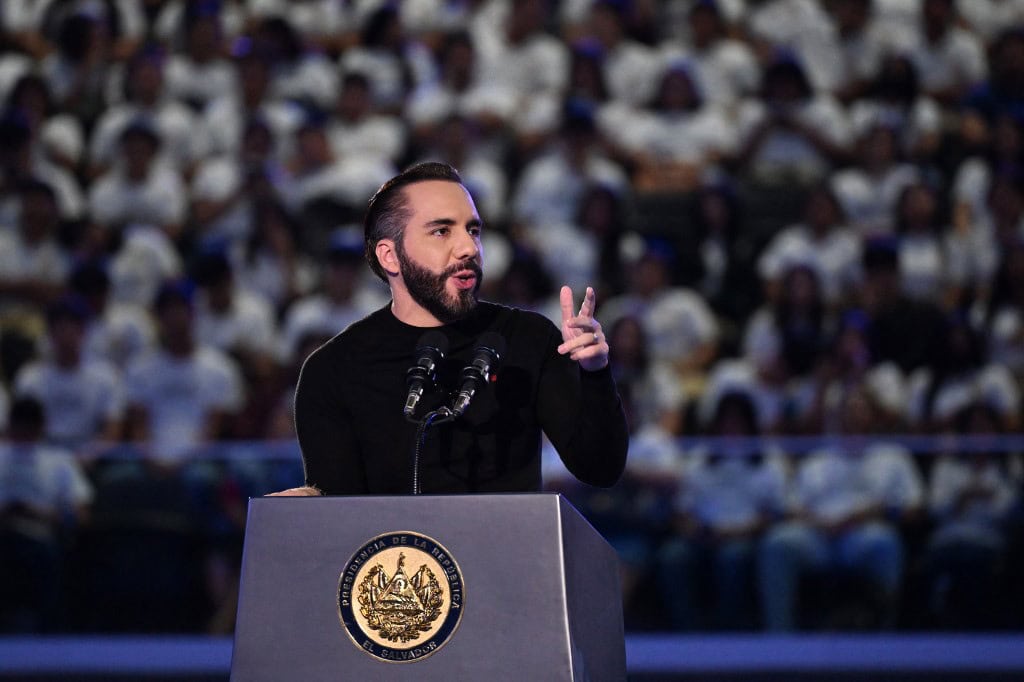
Salvadoran President Nayib Bukele signed reforms into law that permit life prison sentences for people convicted of serious crimes starting at age 12. The changes extend life imprisonment to minors as young as 12 who are convicted of or serve as accomplices in homicide, femicide, rape or gang membership. They also apply to adults.
The reforms build on a constitutional amendment approved by the Legislative Assembly in March. That amendment altered Article 27 of the Constitution to allow life sentences for those crimes, which had previously been banned. The new measures update the Juvenile Penal Law and related codes, removing earlier limits and special procedures that applied to offenders aged 12 to 18.
The package of reforms was published in the official gazette and takes effect April 26. Officials have said the changes include provisions for periodic sentence reviews and the possibility of supervised release in some cases. The move forms part of Bukele’s ongoing security policies. El Salvador has operated under a state of emergency for more than four years as authorities target street gangs. More than 91,000 people have been detained during that period. Homicide rates have fallen sharply.
Bukele’s administration has described the reforms as necessary to protect families and prevent repeat offenses by those responsible for the worst crimes. Legislative Assembly President Ernesto Castro stated that the changes give Salvadoran families assurance that convicted criminals will not return to the streets.
The United Nations High Commissioner for Human Rights (OHCHR) and other international bodies have urged El Salvador to reconsider the application of life sentences to minors. They argue that the measures conflict with international standards on children’s rights. Bukele’s government has rejected those concerns, pointing to past policies that it says contributed to the rise of gangs.
The Legislative Assembly, controlled by Bukele’s Nuevas Ideas party, approved the initial constitutional change with strong majorities in March. The Assembly later passed the implementing legislation to align the Juvenile Penal Law and other statutes with the new maximum penalty.
Under the updated rules, courts can impose life sentences on convicted minors without the previous caps on detention periods for those crimes. The reforms maintain some review mechanisms, such as evaluations after 25 years for those sentenced as minors, with further checks every five years.
El Salvador previously capped prison terms at 60 years for the most serious offenses. The constitutional amendment removed that prohibition for homicide, femicide, rape and terrorism-related crimes, which officials link to gang activity. The signing comes as Bukele continues to promote security initiatives that have drawn both domestic support and international scrutiny.
The president has repeatedly defended the approach as essential to restoring public safety after years of gang violence. No immediate changes to ongoing cases were announced. Courts will apply the new sentencing framework once the reforms start at the end of the month.





