

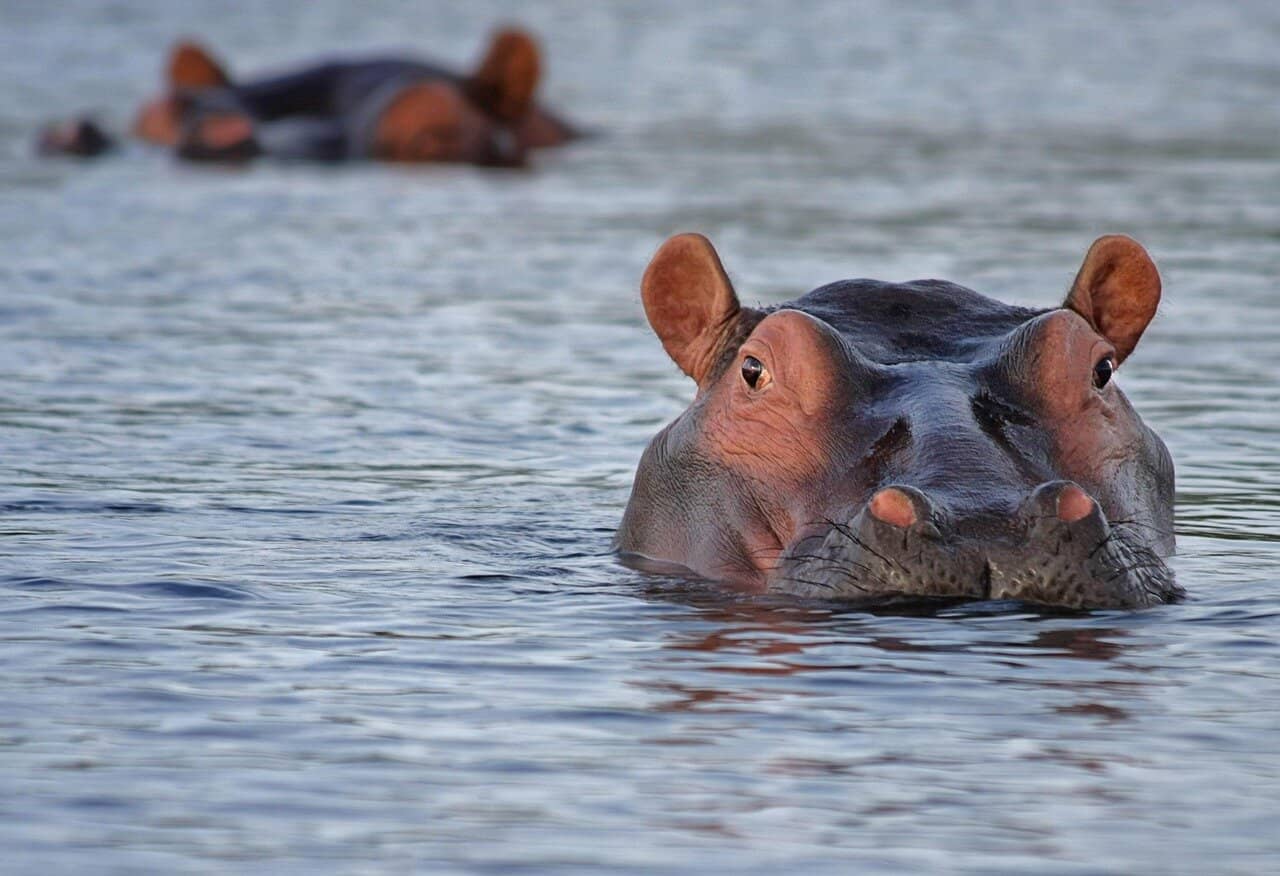
Colombia’s government authorized the euthanasia of up to 80 hippos Monday as part of a new plan to curb the invasive population that started with four animals imported by drug lord Pablo Escobar in the 1980s. Acting Environment Minister Irene Vélez Torres announced the measures at a press conference in the capital, saying decisive action is required after years of limited progress on population control.
The hippos now exceed 200 individuals and have spread through the middle Magdalena River basin in central Colombia. Officials declared the species an invasive exotic threat in 2022 because it damages local ecosystems and native wildlife.
Vélez said the animals’ unchecked growth contaminates rivers and lakes with waste that promotes harmful bacteria and alters water quality. The hippos also compete directly with species such as the West Indian manatee and river turtles for habitat and food. Farmers and fishers in the region have reported crop damage, eroded riverbanks and occasional aggressive encounters with the large mammals that weigh up to three tons each.
The plan allocates 7.2 billion Colombian pesos, about $2 million, from the national Fund for Life and Biodiversity to regional environmental authorities. It will focus first on high-density zones including the area around the former Hacienda Nápoles estate in Antioquia department and nearby sites such as Isla del Silencio and Cocorná.
Implementation begins in the second half of 2026. Regional corporations Cornare, Corantioquia, Corpoboyacá and CAS will carry out the work under ministry guidelines. They must submit monthly monitoring reports and detailed accounts of each intervention within 10 days.
The strategy includes three main tools: sterilization to slow breeding, confinement in controlled areas where possible, and euthanasia. The euthanasia protocol allows for chemical methods — sedation followed by a lethal injection — or physical methods using specialized firearms when logistics prevent chemical access. All procedures follow strict standards for animal welfare, biosecurity and protection of water sources.
Translocation to zoos or sanctuaries abroad proved unfeasible after outreach to seven countries. Mexico cited domestic laws against importing invasive species. A zoo in the Philippines withdrew over high transport costs. Other nations including Ecuador, Peru, India, the Dominican Republic and South Africa either declined or provided no response. Vélez noted low genetic diversity from the original four animals has caused visible deformities in some descendants, complicating international approvals.
Escobar imported the original hippos — three females and one male — around 1981 from a U.S. zoo for his private collection at Hacienda Nápoles, a sprawling ranch with an airstrip between Medellín and Bogotá. After his death in 1993 and the collapse of his empire, authorities relocated most exotic animals but left the hippos in place. The animals escaped their ponds and began reproducing freely in the Magdalena River wetlands.
A 2022 ministry census counted 169 individuals. Population models from Colombian scientists project that without intervention the herd could reach 500 by 2030 and surpass 1,000 by 2035. Experts recommend removing at least 33 animals per year to bend the growth curve. The new plan targets roughly half the current estimated population in its initial phase.
Vélez emphasized the decision rests on scientific evidence and Colombia’s obligations to protect native biodiversity. “Without that action, it is impossible to control the population,” she said. “Estimates indicate that by 2030 we would have at least 500 hippos affecting our ecosystems and our native species, such as the manatee and the river turtle.”
The hippos have no natural predators in Colombia and reproduce rapidly in the warm, wet conditions of the Magdalena basin. Their daily consumption of up to 70 kilograms of vegetation and the nutrient load from their dung shift the balance of local food webs and soil composition.
Regional authorities will continue biological monitoring and public reporting on progress. The ministry said the plan marks the first time Colombia has dedicated specific funding and technical protocols to this long-standing invasive species issue.





