

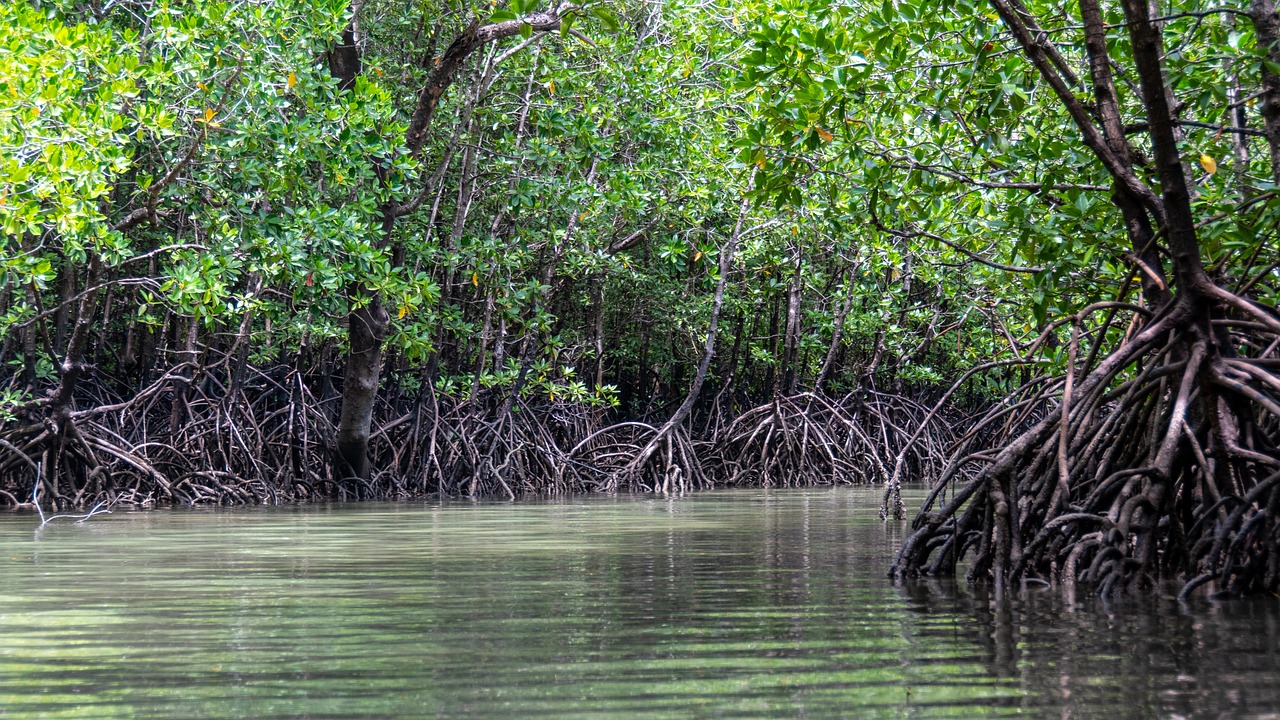
Families in El Establo de Pitahaya, Puntarenas, are building a small community business around one of Costa Rica’s more unusual local products: honey made by bees living beside the mangrove. The project, known as ApiMangle, brings together beekeeping, mangrove conservation and rural tourism in a coastal community where many residents have long depended on fishing, occasional work, domestic labor and nearby sugarcane fields for income.
What began after a swarm of bees appeared in the area has grown into an artisanal honey venture that now supports local families and draws visitors interested in the link between bees, mangroves and the Pacific coast.
The honey is different from the typical varieties sold across Costa Rica. The bees, identified as Apis mellifera, live near the Puntarenas mangrove and take water from the coastal ecosystem. That gives the honey a distinct profile, with some people noticing a slightly salty flavor tied to the mangrove environment. ApiMangle describes it as a product closely connected to its territory and unlike other honey produced in the country.
The community effort started with eight hives, later expanded to 15, and now maintains 10 after dealing with pests found in the mangrove environment. The families received training in hive management, honey production, marketing and safety, along with equipment such as protective suits, containers and materials for tourism activities.
ApiMangle has also become a local tourism experience. Visitors can take educational tours, see the hives, sample the honey and learn why mangroves matter to coastal communities. The activities include guided visits, tastings and environmental talks focused on biodiversity, climate change and the role mangroves play in protecting shorelines.
The project has received support from Fundación MarViva and financing from Blue Action Fund as part of efforts to promote sustainable income options in communities around the Gulf of Nicoya. ApiMangle’s model combines honey and related products with educational tourism, giving local residents another way to earn income while protecting the mangrove that surrounds them.
Mangroves are among Costa Rica’s most important coastal ecosystems. They help reduce exposure to flooding, high tides and extreme weather, while also capturing carbon and serving as habitat for marine species. In Puntarenas, the ApiMangle project turns that environmental value into a direct community benefit without cutting down or degrading the ecosystem.
For a coastal town long shaped by the sea, cane fields and mangrove life, the honey has become more than a specialty product. It is a new income source, a small tourism draw and a reminder that conservation can create practical opportunities for families who live closest to the ecosystems Costa Rica is trying to protect.





