

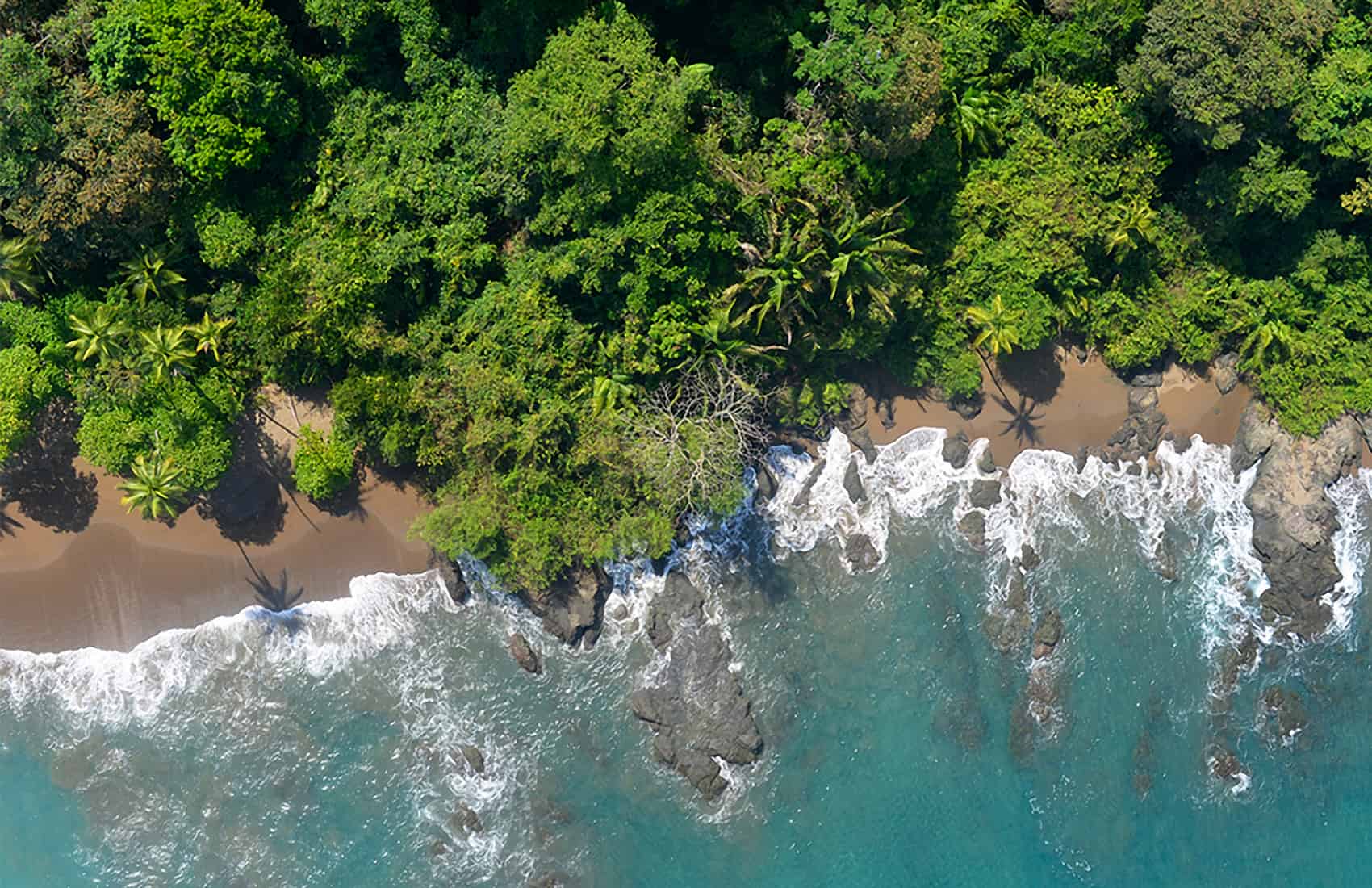
Costa Rica is rolling out the welcome mat this Easter Holy Week, with all 29 protected wildlife areas open and operating under regular schedules. The Ministry of Environment and Energy (MINAE), the National System of Conservation Areas (SINAC), and the Costa Rican Institute of Tourism (ICT) are encouraging both local and international travelers to take advantage of the country’s natural attractions during one of the busiest travel weeks of the year.
The push is as much about economics as it is about nature. Communities surrounding Costa Rica’s national parks — hotels, restaurants, tour operators, and local shops — depend heavily on Holy Week visitors, and authorities say responsible tourism is one of the most direct ways travelers can support those local economies.
Minister of Environment and Energy Franz Tattenbach summed it up simply: “The national parks offer an opportunity to enjoy diverse landscapes and recreational activities in contact with nature.”
From the cloud forests of Chirripó to the Caribbean coastline of Tortuguero, our country’s protected areas span every region and every type of terrain. Whether you’re after a beach, a volcano, a rainforest trail, or a rural community experience, Holy Week is one of the best times of year to find it.
Plan Ahead: Reservations Required at 11 Parks
The most important thing travelers need to know this Semana Santa is that advance tickets are mandatory at 11 of our country’s most popular destinations. Parks including Manuel Antonio and Volcán Irazú require online reservations through SINAC’s SICORE platform before you arrive. Tickets and reservations are available at www.sinac.go.cr. Download your QR code ahead of time — park entry is by digital ticket only at these locations.
For parks outside the SICORE system, tickets can be purchased at the entrance, though arriving early during Holy Week is always advisable given the high volume of visitors.
Those visiting us should also note that Poas Volcano National Park is currently operating under an Orange Alert from the National Emergency Commission due to ongoing volcanic activity. Access to the park can be suspended with little notice based on real-time gas and seismic monitoring. Check official SINAC and CNE channels for current status before making the drive.
Authorities Step Up Patrols Across Protected Areas
MINAE and SINAC have also launched a nationwide enforcement operation running March 28 through April 5, with more than 675 personnel deployed across the country. The operation targets poaching, wildlife trafficking, illegal logging, and unauthorized entry into protected areas.
Officials are particularly focused on discouraging visitors from entering parks through unofficial routes — a problem that spiked during the recent end-of-year holiday period, when authorities documented more than 400 unauthorized entries, many of them near active volcanic zones. Entering a protected area without authorization violates Costa Rica’s Forestry Law and carries penalties of up to three years in prison, in addition to the very real physical dangers posed by unstable terrain and toxic gas exposure near volcanic sites.
The message from SINAC is straightforward: use official entrances, follow park ranger instructions, book through legitimate channels, and verify conditions before visiting parks where volcanic activity is a factor. Finally, remember that single-use plastics are prohibited inside all protected wildlife areas.





