

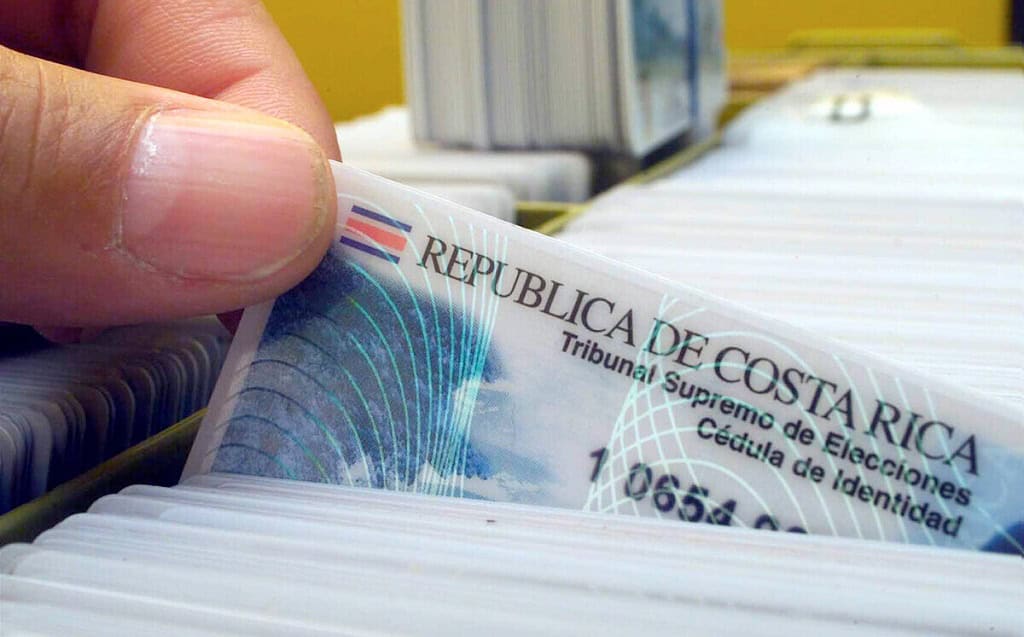
The Supreme Electoral Tribunal (TSE) has started charging again for replacement national identity cards, known as cédulas, following a two-month halt tied to the recent national elections. Officials confirmed the move this week, ending a period where citizens could request new documents without extra costs.
The pause began two months before the vote and lasted through election day, as required by law. This break aimed to ease access for voters who might need updated IDs to participate. With the elections now over, the tribunal lifted the suspension on February 12.
Most people seeking a replacement will now pay the set fee. For anyone requesting a second or later cédula in the same calendar year, the cost stands at 5,900 colones. This amount covers production expenses, and the tribunal updates it each year to match actual costs. Payments go through designated channels at tribunal offices or authorized banks.
Certain groups remain free from the charge. Older adults, people with disabilities, indigenous residents, and those in prison do not pay. The tribunal also waives fees for cases of extreme poverty or unemployment, based on set guidelines. First-time replacements in a year stay free for everyone, and no one pays if the document expired normally rather than got lost or damaged.
The policy stems from a 2022 law that gave the tribunal power to manage repeat requests. Lawmakers passed it to handle rising demands while funding services. The tribunal began applying the fee structure in early 2025, starting at 5,300 colones, before adjusting to the current rate.
Citizens can request replacements at any of the tribunal’s regional offices. They need to bring proof of the issue, like a police report for theft or loss. Processing times run about two weeks, with options for faster service in some areas. This change affects thousands who rely on the cédula for daily tasks, from banking to voting. Tribunal staff report a steady flow of applications since the resumption, urging people to check their documents early.
Officials say the funds collected support better public services under the tribunal’s control. They deposit into a special account for improvements like faster processing or expanded access. For those unsure about eligibility or costs, the tribunal offers a helpline and online portal. Staff there can confirm details based on individual cases.
The resumption marks a return to normal operations after the electoral focus. With no major votes on the horizon, the tribunal shifts back to routine ID management.





