

In Costa Rica’s Gulf of Nicoya, fishermen are raising urgent concerns about a growing crisis threatening their livelihoods and the region’s marine ecosystems. Illegal fishing, overexploitation, and institutional neglect are pushing fish stocks to the brink, leaving coastal communities like Isla Chira facing economic hardship and potential hunger. Local voices, aired at a recent Legislative Assembly forum, paint a stark picture of a region in distress, with authorities failing to enforce critical protections.
“The situation is about to get chaotic. Hunger is going to strike island and coastal communities. Fishing is all we know,” said a fisherman from Isla Chira during the forum, “Awareness on Environmental Care and the Importance of the Oceans,” organized by independent Congresswoman Cynthia Córdoba. The event brought together fishermen, environmental groups, and community leaders to discuss the Gulf’s mounting challenges.
The Gulf of Nicoya, a vital marine ecosystem on Costa Rica’s Pacific coast, supports roughly 1,400 fishermen and their families. But fish stocks are plummeting due to overfishing, climate change, and illegal practices like trolling, where heavy nets scrape the seabed, destroying habitats and catching everything in their path. Fresia Villalobos-Rojas, Science Coordinator at MarViva, notes that ambivalent policies and illegal fishing exacerbate the problem. “Some fishermen use legal gear like hand lines, but others use destructive methods that harm the ecosystem,” she said.
Fishermen in the Gulf are committed to sustainable practices, patrolling areas designated by the Costa Rican Institute of Fisheries and Aquaculture (INCOPESCA). “If we don’t protect these resources, we’ll have nothing left to fish. We do this with love and responsibility, for the environment’s benefit,” the Isla Chira fisherman explained. Yet their efforts are met with resistance. Conflicts with illegal fishers have turned violent—one fisherman was attacked, sustaining a head wound requiring 14 stitches after falling into the water. “We’re at a point where we don’t want to keep patrolling,” he added, citing the lack of institutional support.
A three-month fishing ban, enforced from May to July, aims to let fish stocks recover. INCOPESCA’s executive president, Nelson Peña, claims the ban supports sustainable fishing and coastal communities like Chomes and Isla Chira. Licensed fishermen receive monthly subsidies of ₡145,000 ($230) from the Instituto Mixto de Ayuda Social (IMAS) during the ban, but delays in payments have sparked frustration. Worse, the ban is widely ignored. “There’s no enforcement from authorities, so the exploitation continues,” the fisherman said. “The Gulf is in a critical state, and production is falling fast.”
Institutional neglect is a recurring theme. The fisherman criticized INCOPESCA’s lack of action, saying, “There’s no interest in rescuing the Gulf.” This sentiment echoes broader concerns about the agency’s policies. In 2024, Congresswoman Córdoba opposed INCOPESCA’s push to reintroduce live bait fishing, arguing it lacked scientific backing and threatened sensitive species like hammerhead sharks. Since 2005, INCOPESCA has stopped issuing new fishing licenses, limiting legal access to the trade, yet illegal fishing persists unchecked.
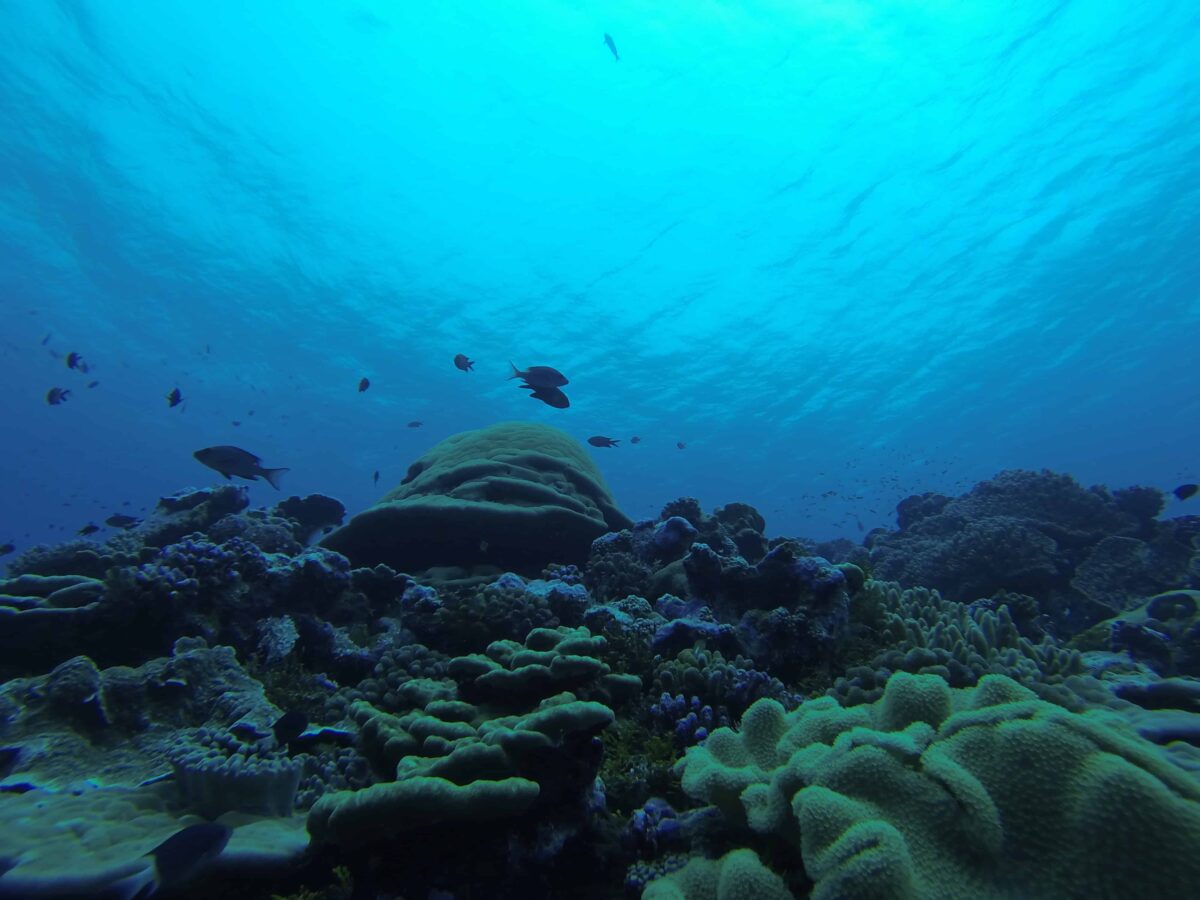
Environmental threats compound the crisis. Warming waters, plastic pollution, and sedimentation from coastal development degrade coral reefs and fish habitats. A 2024 initiative led by the State Distance University (UNED) and the National Learning Institute (INA) cultivated 1,050 coral fragments on Tortuga Island to restore reefs, but such efforts are small compared to the scale of degradation. Climate change further stresses the Gulf, with rising temperatures disrupting marine life.
Community efforts offer some hope. Fishermen contribute to conservation by cleaning public spaces, restoring mangroves, and patrolling turtle nests. Organizations like La Ruta del Clima advocate for public participation in environmental decision-making, emphasizing sustainable development goals. But without stronger institutional backing, these initiatives may not be enough.
The Gulf of Nicoya’s fishermen are at a breaking point. Their warnings highlight the risk of economic collapse and food insecurity for coastal communities. As fish stocks dwindle and tensions rise, the need for effective enforcement, sustainable policies, and community support is clear. The Gulf’s future—and the families who depend on it—hang in the balance.





