

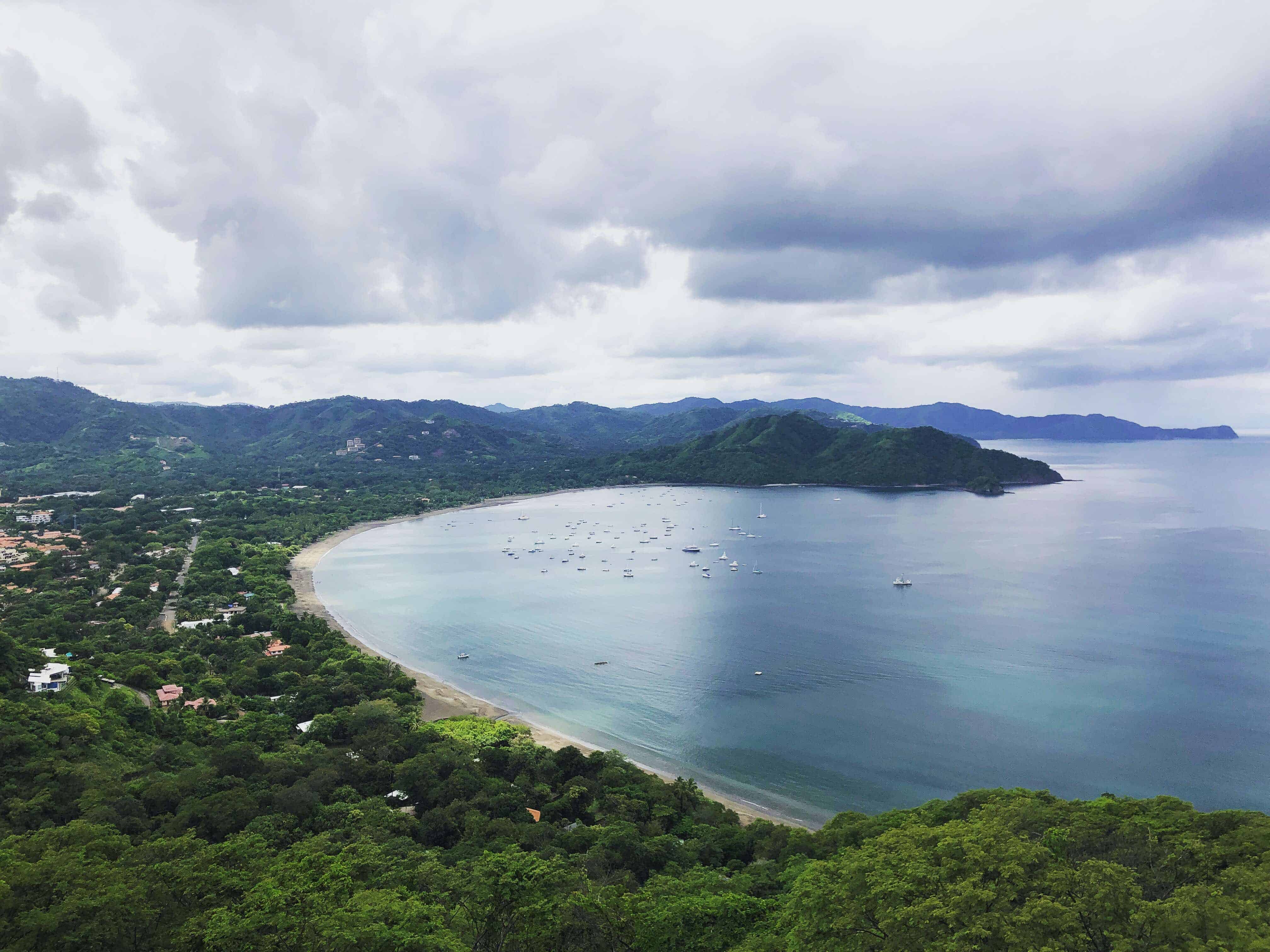
In a move that has ignited heated debate, Costa Rica’s Ministry of Environment and Energy (MINAE) has intensified enforcement against residents living in protected ecological zones, particularly in coastal maritime-terrestrial zones (ZMT). Yesterday it was reported that MINAE imposed multimillion-colón fines and prison sentences on Costa Rican citizens for residing in these restricted areas, which span 200 meters along the Pacific and Atlantic coasts.
The ZMT, designed to preserve ecosystems and ensure public access, prohibits private residences and unpermitted constructions. However, the crackdown has drawn criticism for its apparent leniency toward foreign-owned hotels and resorts operating in similar zones, raising questions about fairness and transparency in environmental governance.
The controversy centers on cases in coastal regions like Guanacaste and Puntarenas, where local families—some living in modest homes for decades—face severe penalties. For instance, a family in Playa Cabuyal was fined over ₡10 million (approximately $20,000 USD) and ordered to vacate their home, despite claiming ancestral rights to the land.
Meanwhile, luxury hotels, many owned by foreign investors, continue to operate in ecologically sensitive areas, often with permits granted under questionable circumstances. Critics, including local advocacy groups, argue that MINAE’s selective enforcement disproportionately targets vulnerable Costa Ricans while shielding powerful tourism interests. “It’s a double standard,” said Ana López, a community leader in Nosara. “Locals are punished, but big resorts keep building.”
This issue resonates deeply with expats and tourists, who are drawn to Costa Rica’s eco-friendly reputation but increasingly scrutinize its environmental policies. Expats owning or renting properties near protected zones may face heightened risks of legal disputes or property devaluation. Tourists, particularly those seeking sustainable travel, may question the authenticity of Costa Rica’s green image when luxury developments appear to skirt regulations. A report last year by NATIVU highlighted that unclear ZMT regulations have long complicated real estate transactions, advising foreigners to verify permits meticulously before investing.
MINAE defends its actions, stating that protecting biodiversity is paramount. In a press release, the ministry emphasized that illegal constructions harm ecosystems like mangroves and turtle nesting sites. However, the lack of transparency in how permits are granted to hotels—often linked to corruption scandals—undermines public trust. Recent posts on social media echo this sentiment, with users calling for equal enforcement and accountability.
As Costa Rica balances tourism growth with environmental preservation, this controversy underscores the need for clearer regulations and equitable enforcement. Expats and tourists should stay informed, as shifts in ZMT policies could impact coastal living and travel experiences.





