

No menu items!

COSTA RICA'S LEADING ENGLISH LANGUAGE NEWSPAPER

HomeTopicsEnvironment and WildlifeHow Climate Change Threatens Costa Rica’s Peatlands

How Climate Change Threatens Costa Rica’s Peatlands

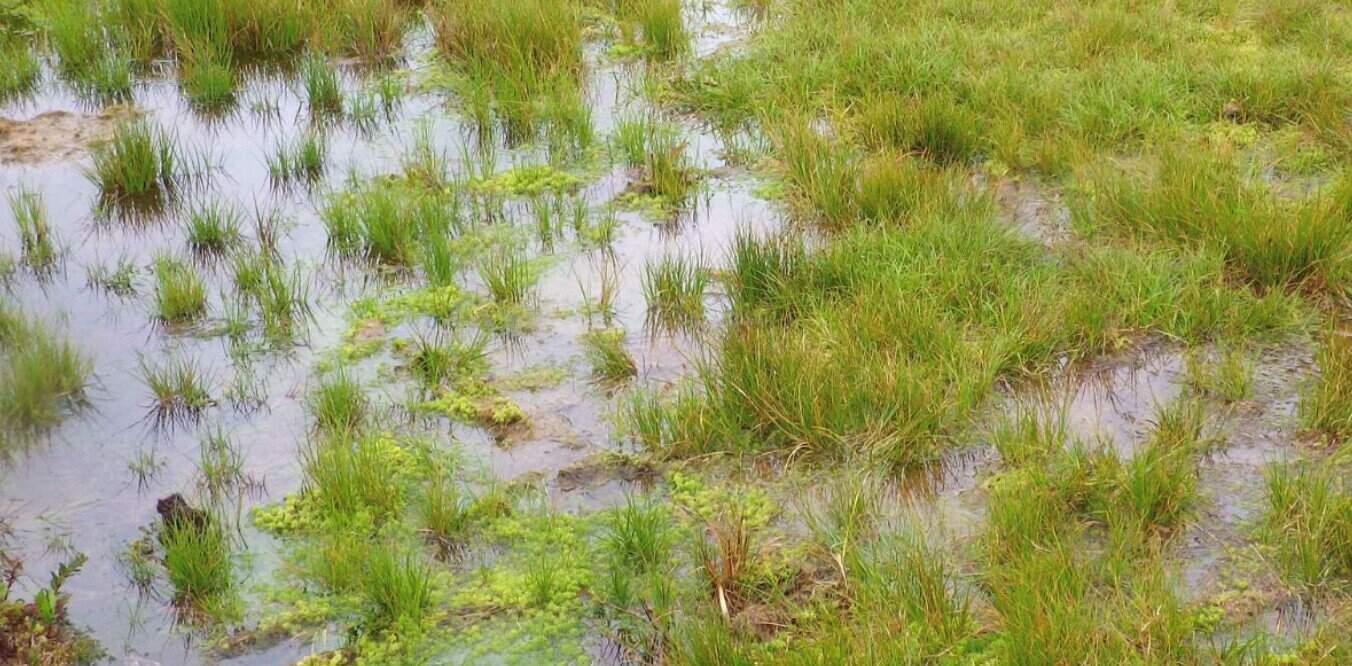
In Costa Rica’s Cordillera de Talamanca, a team of researchers from the Universidad Estatal a Distancia (UNED), Universidad de Costa Rica (UCR), and Universidad Autónoma de Madrid (UAM) has uncovered a vibrant yet vulnerable world of biodiversity. Their study, titled “Flora of High-Mountain Tropical Peatlands: Threats and Management Measures, Cordillera de Talamanca, Costa Rica,” identified 67 plant species thriving in the region’s high-mountain tropical peatlands.

These unique ecosystems within the Macizo de la Muerte between El Empalme and Cerro Bellavista in Tapantí National Park, span an altitude of 2,400 to 3,100 meters above sea level (m.a.s.l.). The team surveyed five distinct peatlands, revealing both the richness of these habitats and the threats they face.

The results painted a striking contrast. Peatlands in the Salsipuedes and Cerro Paramillo sectors, sheltered within protected areas, displayed greater floristic diversity, with a variety of plants adapted to the soggy, high-altitude conditions. However, three peatlands outside state protection—closer to the bustling Inter-American Highway—showed lower biodiversity.

Researchers attribute this decline to the “edge effect,” where habitat boundaries disrupt ecosystems, and to agro-productive activities like farming that encroach on these fragile zones. Near the highway, the team observed a shift in plant life, with species requiring less water dominating the landscape—a sign of environmental stress.

Peatlands, often overlooked, are vital to the Mesoamerican Hotspot, a globally recognized cradle of biodiversity. Beyond harboring unique flora, they act as natural sponges, storing water and carbon, and serve as sensitive barometers of human influence. The study pinpointed climate change and anthropogenic pressures, such as land development, as major risks. With 40.3% of the inventoried species identified as ecologically significant—either as keystone species supporting other life or as biogeographical rarities—the stakes for conservation are high.

Looking ahead, the researchers aim to broaden their exploration across the Cordillera de Talamanca, hoping to gather more data to shape effective management strategies. Their work underscores an urgent call to action: preserving these highland ecosystems is not just about saving plants, but about safeguarding a delicate balance that benefits the region and beyond. As climate pressures mount, these findings could guide Costa Rica—and the world—in protecting nature’s unsung heroes.


Trending Now

Costa Rica’s New San Carlos Highway Segment Gets Comptroller Approval

One of Costa Rica’s longest-delayed road projects has cleared a major hurdle after the Comptroller General’s Office approved a path forward for the central...

Enormous Papagayo Resort Collides With Costa Rica’s Forest Law

On a stretch of Pacific coastline inside the Golfo de Papagayo tourism zone, an ongoing standoff between developers and environmental advocates reached a new...

Latin American Women Head to Wimbledon Without a Clear Favorite

Latin America will not arrive at Wimbledon without talent. It will arrive without a clear women’s singles favorite. That is the more honest reading...

Costa Rica President Floats Referendum on Crucitas Gold Mining

President Laura Fernández said the government could take the Crucitas mining issue to a national referendum if a bill to allow regulated open-pit gold...

Messi Breaks World Cup Scoring Record as Argentina Advances

For much of us here in Latin America, watching Lionel Messi at a World Cup has become a familiar ritual. On Monday, the Argentine...

Costa Rica Search for Missing American Hiker Takes Grim Turn

Costa Rican rescue officials located a body Wednesday afternoon near the area where American hiker Ashley Nicole Phillips disappeared in Pérez Zeledón, bringing a...

Why Costa Rica’s Southern Zone International Airport Still Hasn’t Been Built

For more than two decades, Costa Rica's Brunca region, the southern Pacific zone that includes Osa, Golfito, Corredores, Coto Brus, Buenos Aires and Puerto...

Surfer in Costa Rica Survives Needlefish Strike to the Heart

A Brazilian surfer survived a rare and severe ocean injury in Costa Rica after a needlefish leapt from the water at Playa Pavones and...

El Salvador Peach Festival Brings Highland Experience to Chalatenango

The eighth Peach Festival opened today in Río Chiquito, a community in the San Ignacio district of Chalatenango Norte. Local producers and tourism operators...
🌴 The Weekly Pura Vida

Costa Rica, Once a Week

The week's top stories, weather & insider tips — delivered every Sunday. One email, zero clutter.

🔒 Free. No spam. Unsubscribe anytime.

Loading…

Latest News from Costa Rica

Costa Rica Coffee Maker Chorreador
Costa Rica Car Rentals
Costa Rica Travel Insurance
Costa Rica Travel


