

Would you like to have a chocolate tree right in your own back yard? In Costa Rica, it’s easy, particularly if you live in the warmer regions of the country. Enjoy planting the cacao tree as a special treat for the family.
Costa Rica is actually the original home of cacao. Since pre-Columbian days, the indigenous people of Mesoamerica cultivated these magical trees in the tropical rain forests. The dried and toasted seeds made rich sauces that accompanied their meals.
Cacao was so popular among the natives that it was used as a form of currency for trading. Later, the Spanish introduced cacao to Europe. By the mid-1700s, Carolus Linnaeus, who gave us the foundation of scientific plant and animal classification, named the chocolate tree Theobroma cacao, in his classic text “Systema Naturae.” He must have been very impressed with this delicious treat, because the Latin name translates to “food of the gods.”
Scientists have given us another reason as to why we love chocolate: They say it’s because the alkaline crystals called theobromine in cacao act as a mood elevator.
As the popularity of chocolate grew, so did the cultivation of cacao in many tropical regions of the world. Today, the top-10 producing countries are the Ivory Coast, Ghana, Indonesia, Nigeria, Brazil, Cameroon, Ecuador, Dominican Republic, New Guinea and Malaysia. Interestingly, the Ivory Coast grows more than the next six producers combined.
Costa Rica produces sufficient cacao for local consumption, plus a growing export market, particularly in organic cacao.
To start your own cacao trees, you’ll need to acquire seeds for planting. Many local markets or ferias offer cacao pods, like those shown here. Take home some of the best pods you can find.
Now the fun begins. Each seed is encased in a white fruit pulp that has a delicious flavor somewhat similar to mamón chino (rambutan– like a lychee). After dining on the fruit pulp, save the seeds for planting.
Locate some plastic nursery bags or old plastic containers that can be fashioned into pots with holes in the bottom. Fill them with average soil, preferably mixed with aged compost for good fertility.
One seed is planted in each container about two to three centimeters deep. You can keep the containers outside, so the rain will keep them moist to germinate the seeds. Cacao seeds sprout in about one week and begin to form new leaves rapidly.When your chocolate trees are about 30 to 40 cm tall, transplant them from their containers to permanent sites.
Cacao trees do well in the shade of larger trees, particularly madero negro (Gliricidia sepium), also known as madre de cacao, or mother of cacao. Cacao trees can produce their first harvest in three to five years, depending on soil fertility and care.
Annual applications of organic compost around the base of the tree and periodic foliar spraying with seaweed extract will increase growth and production. It’s also beneficial to prune the top growth of the tree to create a low-growing, compact tree.
Cacao trees suffer from a fungal disease known as monilla, which attacks the young seeds pods. This can be controlled by spraying the trees once a month with citrus-seed oil extract, known as Kilol, during flowering and production of the seedpods. This organic product is available in most agricultural supply stores, and is a totally harmless fungicide that is also valuable in controlling many garden plant diseases.
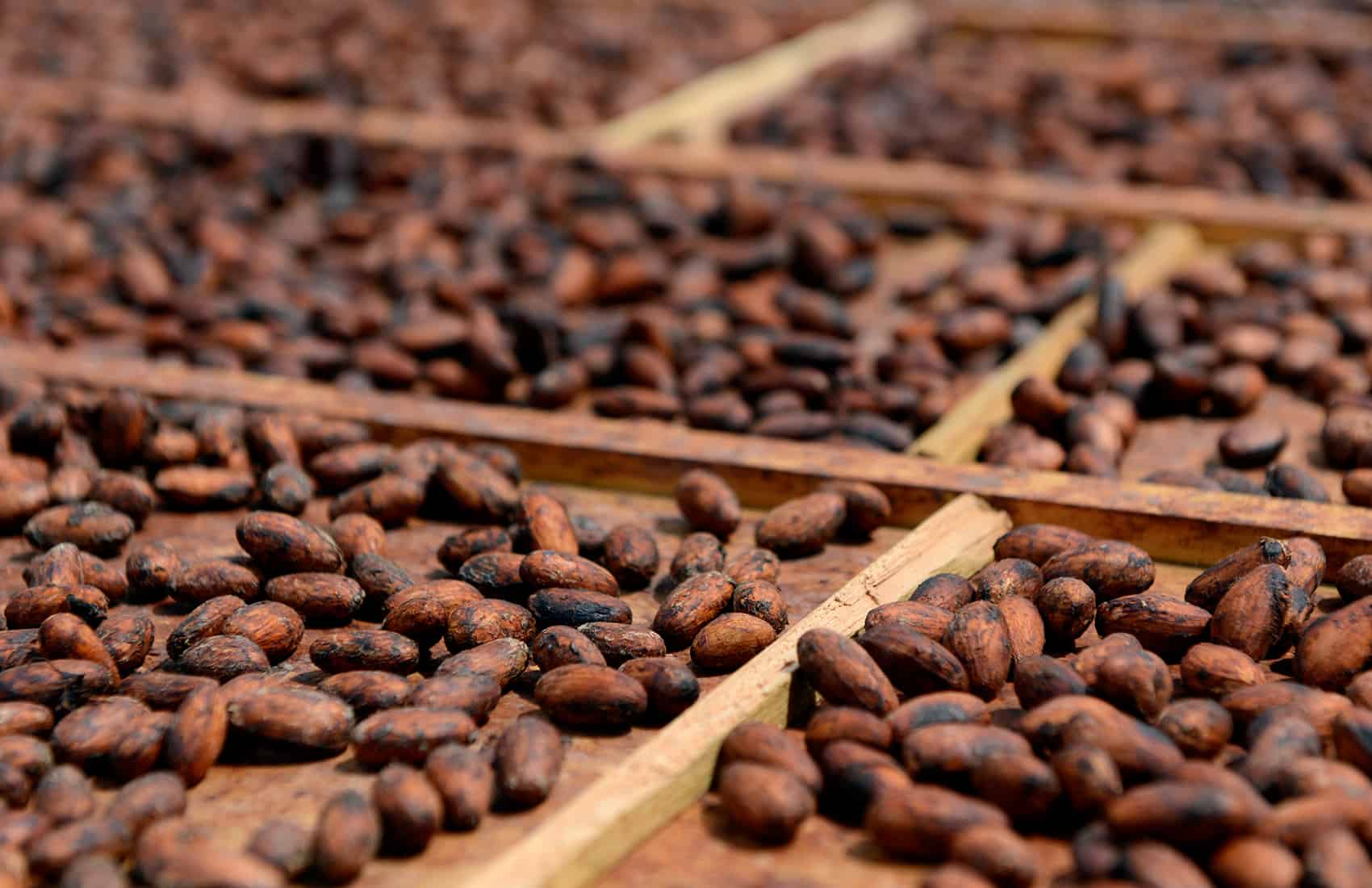
Once your harvest begins, you can enjoy toasting your seeds and grinding them to make your favorite chocolate treats.





