
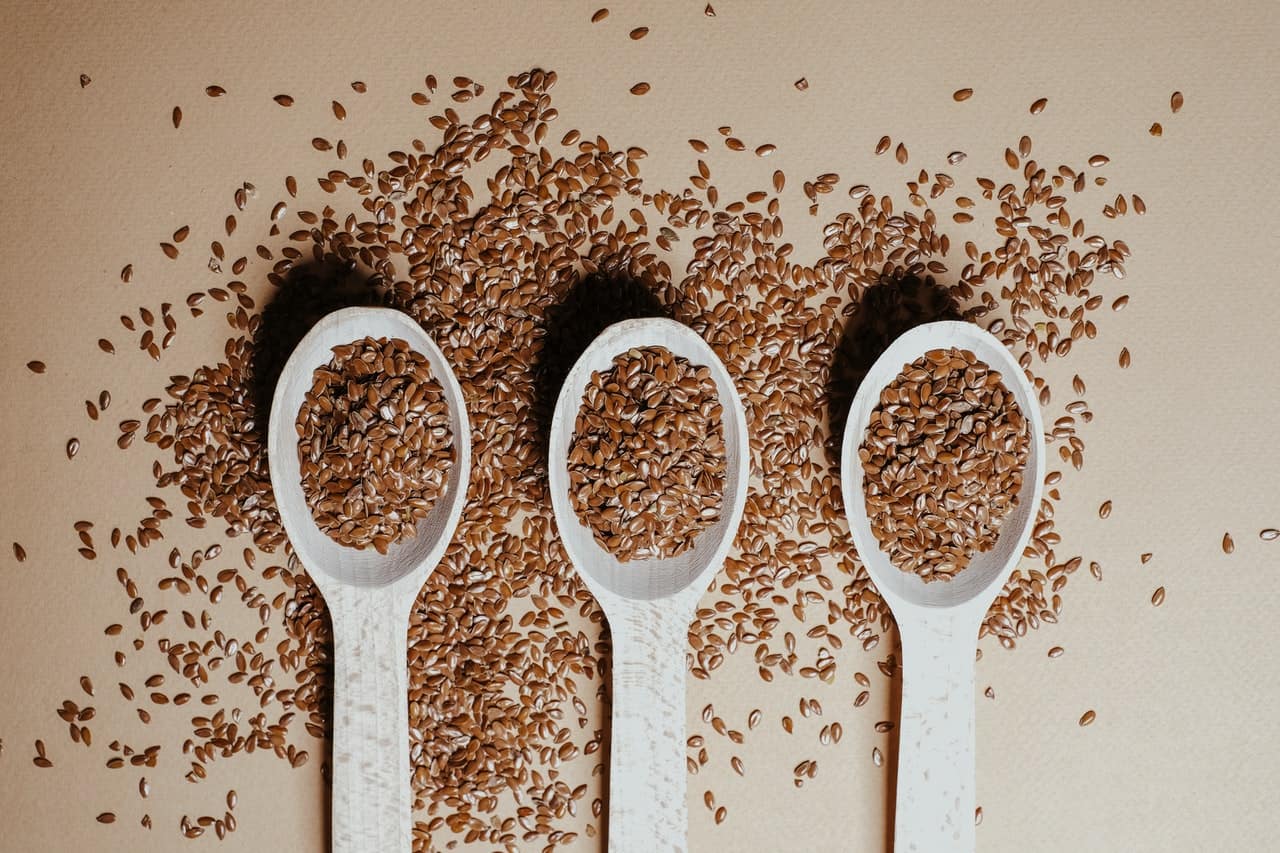
Seed saving is the ultimate challenge for the Costa Rica home gardener. Once you collect and plant your own seeds, you have gone a complete cycle with Nature. It’s a fascinating and worthwhile endeavor, but requires patience and a keen watch on your plants to be successful. Many of the vegetables we plant in the garden can be reproduced from seed.
The conservation of seeds also has an ecological aspect, since we help to maintain important biodiversity in fruits, grains and vegetates. The following information will help you perfect the art of seed-saving.
Heirloom seeds are the best types for seed reproduction. These are non-hybrid seeds, often called standard varieties, which have been passed down generation after generation maintaining their characteristics, because they are genetically stable. Hybrid seeds, although big and beautiful, are not genetically stable and revert back to their standard parents after several generations. Heirloom seeds also tend to be hardier in fighting disease and insect attacks.
And, of course, with hybrid seeds, you have to buy new seeds each year, whereas with heirloom seeds, you can save your own seed year after year. When you buy hybrid seeds, you indirectly contribute to the decrease in our biodiversity, but when you save seeds from hardy plants in your bio-zone, you help to maintain the wonderful species of plants that are directly related to our survival.
Some of the annual plants that are the easiest to reproduce from seed include beans, lettuce, squash, corn and other grains, flowers, tomatoes, melons, peanuts, mustard, cucumbers and herbs.
Biennial plants, such as carrots, beets, cabbage, and onions require two years for seed production. In the north, the winter stimulates the biological clocks in these plants to trigger seed production in the spring. Because of this phenomenon, it’s very difficult to collect seeds from these plants in the tropics, although some successful trials have been made in highland zones of Costa Rica.
Perennial plants that can be reproduced from seeds include fruit trees, native rainforest trees, ornamental shrubs and vines.
Pollination is another factor, which determines how true to seed your plants will be in the next generation. Due to flower structure, certain plants are open-pollinated especially the squashes, melons and corn. They are generally cross-pollinated by insects that travel from one plant to the next.
Seeds from these types of plants are not always true strains of the parent and may show considerable variation. If you’re trying to maintain specific traits of open-pollinated plants, grow only one variety at a time to get a pure strain. Self-pollinated flowers, however, maintain their particular traits in the next generation. Lettuce, tomato, beans and peanuts are good examples.
When you collect seeds, keep these points in mind. Select one or two of the best plants early in their development for the purpose of collecting seeds. Often it’s useful to mark these plants with a stake, so they are not harvested or disturbed during their growth. Fertilize and water them well. Collect seed capsules when mature and dry.
Separate and clean seeds well, then dry in a tray for several days in a temperature no more than 50 degrees Celsius. Store your seeds in airtight containers, preferably in the refrigerator. Corn and other grain seeds can be frozen in airtight containers for 48 hours to eliminate insect eggs and larva.
Once you get some practice saving seeds, you can become quite successful at the this ancient art of our ancestors. Now more than ever we need to return to saving seeds. Large corporate seed companies are moving toward patenting all their hybrid and genetically modified varieties of crops. Their profit-motivated interests are destroying the natural diversity of crops we have inherited from hundreds of years of plant breeding.
In many Latin-American countries where GMOs are permitted, they have left a wake of environmental destruction and bankruptcy for many farmers. The majority of countries in the world are now prohibiting the use of GMOs. Scientific evidence is now revealing the disastrous effects GMOs have on the soil and the health of livestock and humans. Support local groups that lobby for no GMOs and take an active part in saving our heirloom seeds.