
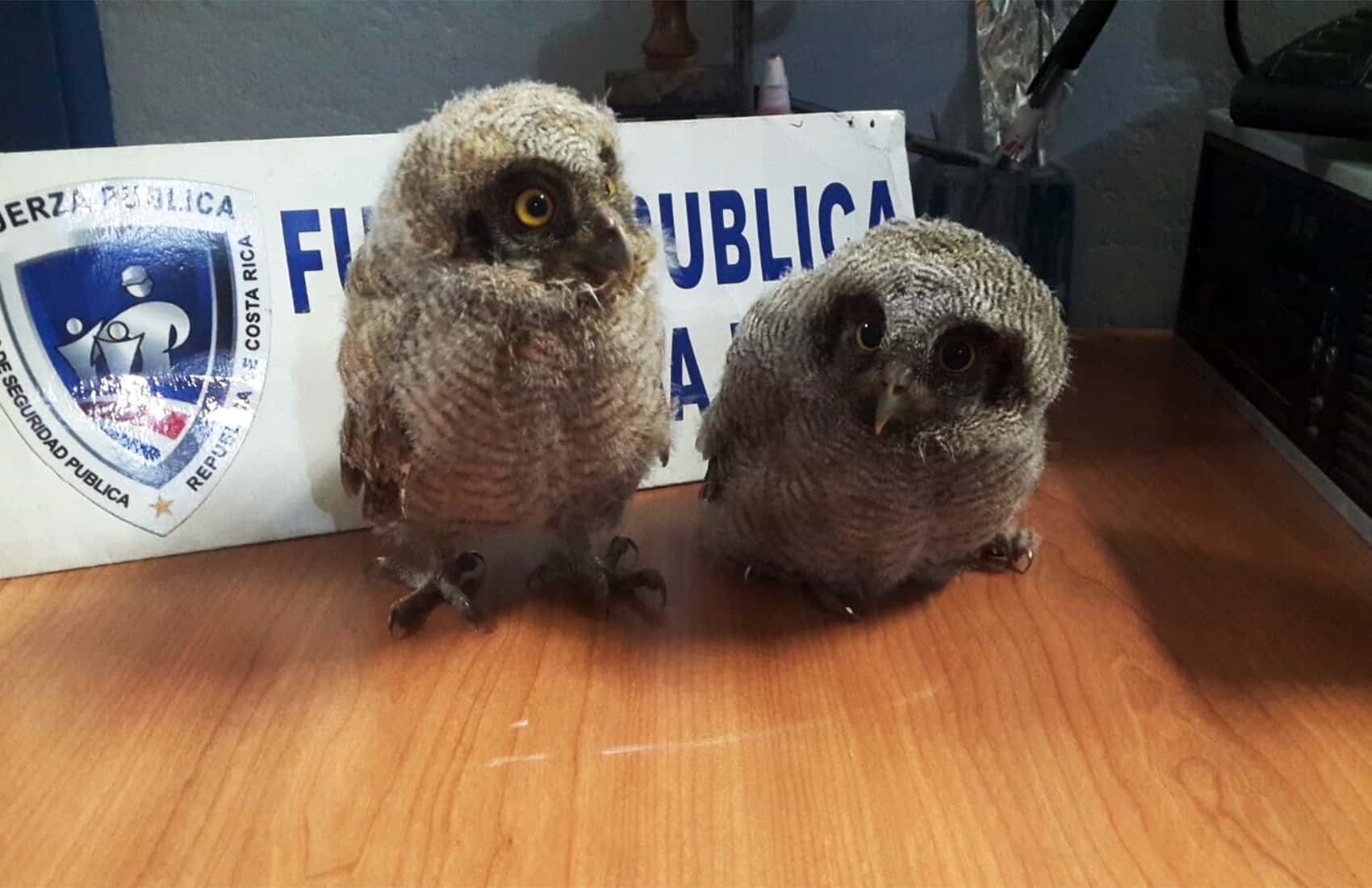
Officials from the Environment Ministry’s National System of Conservation Areas (SINAC) will man highway checks this holiday week aimed at stopping wildlife pilfering in the southern Pacific region, one of Costa Rica’s most diverse areas.
The campaign dubbed “Retén por los bosques” (Road checks for the forests) targets travelers visiting beaches and other destinations in the southern Pacific for Holy Week, one of the busiest seasons for the tourism sector.
Environment vice minister Patricia Madrigal said the campaign is a call to all citizens and tourists to do their part to protect the country’s natural resources. “Everyone can do something to helping our forests: from planting a tree to preventing wild fires,” she said.
Officials are asking people to refrain from taking plants or wild animals from their habitats during the holidays. Taking flowers, plants, or animals is illegal but also affects other wildlife species that are losing their food, habitats and other resources needed to survive, Madrigal said.
It is also a crime sanctioned by the country’s Wildlife Conservation Law, which sets fines and prison sentences for those found guilty of killing, damaging or possessing wildlife species.
The law prohibits hunting, as well as collecting and extracting wildlife species. It sanctions both the person who sells or traffics, as well as she who buys or has wildlife in her possession.
Article 90 of the law sets fines equivalent to three minimum salaries, or $2,350, for those found guilty of taking or destroying plants from protected areas. Fines up to 15 minimum salaries, or $11,750, apply for those guilty of taking or trafficking plant species protected by the Convention on International Trade in Endangered Species of Wild Fauna and Flora, or CITES.
For animals the law establishes prison sentences up to three years and fines up to 30 salaries ($23,500) for killing wildlife species, and up to 40 salaries ($31,300) for killing endangered species included in the CITES list.
Residents of the Osa Península and members of various conservation groups will join park rangers in delivering information related to wildlife conservation to motorists traveling along routes to the most popular destinations in the area.
National Police officers are also increasing their presence in the region and conducting periodic patrols to find poachers and hunters.
From 2013 to 2015, park rangers and other officials confiscated a monthly average of 73 animals ranging from birds, frogs and iguanas to monkeys, snakes and crocodiles.