

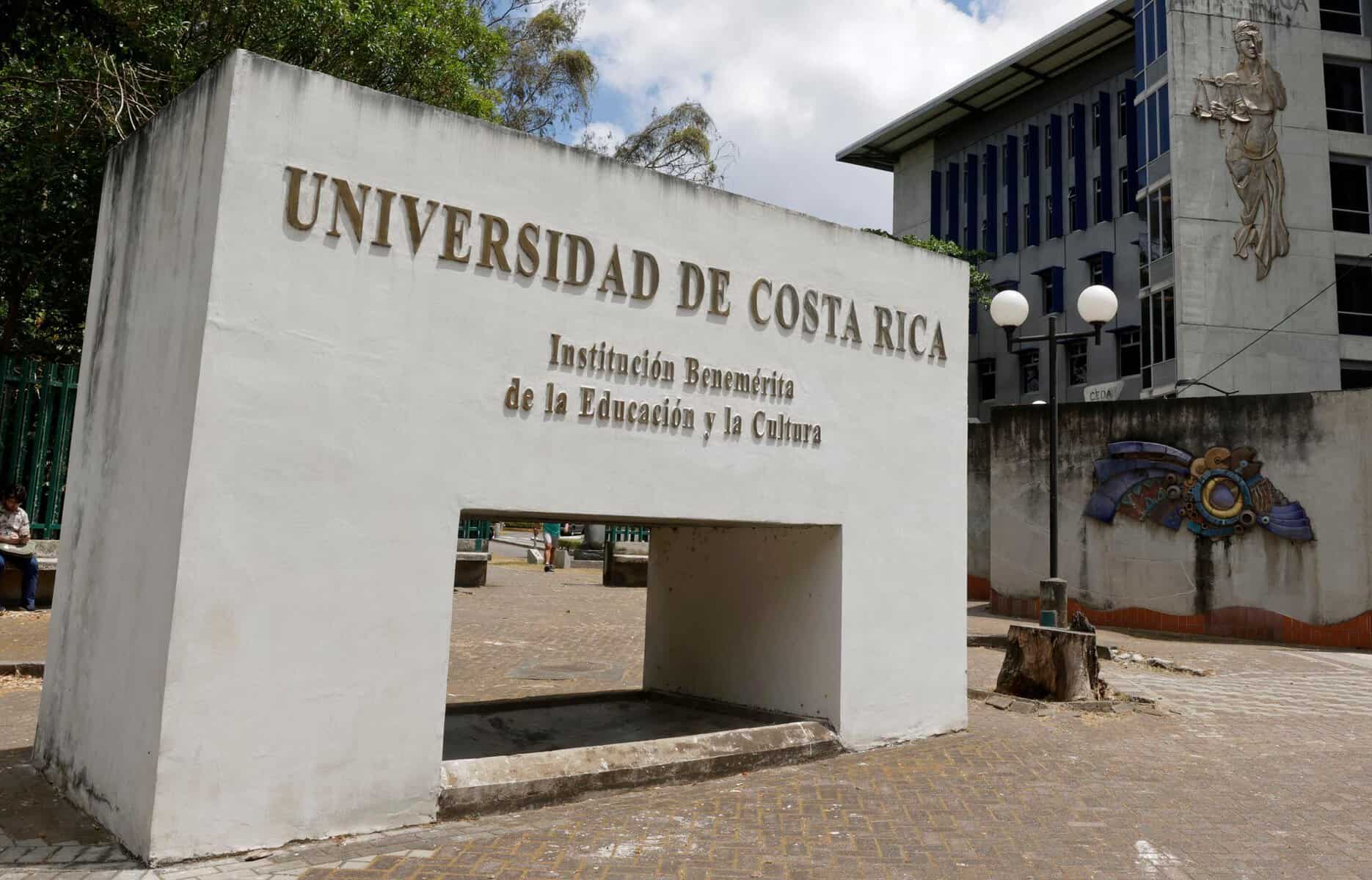
Costa Rica’s public universities are moving ahead with a major demonstration in San José today after lawmakers approved a controversial reduction in university funding late last night. The decision has added new tension to an already heated dispute over government spending and the future of public higher education.
Students, professors, university employees and labor unions from the five public universities are expected to participate in the march, which begins at 9 a.m. at the Fuente de la Hispanidad in San Pedro. Demonstrators plan to walk toward the Legislative Assembly in downtown San José, where protests and other activities are scheduled throughout the day.
The demonstration comes just hours after lawmakers on the Legislative Assembly’s Finance Committee approved a proposal to redirect ₡8.048 billion from funds previously allocated to public universities. The money comes from the Special Fund for Higher Education, known as FEES, which provides government funding to Costa Rica’s public universities. Under the proposal, the funds would instead be used to cover outstanding employer contributions to the national teachers’ pension system, Jupema.
The decision followed an unusual series of events yesterday. During an initial vote, the proposed reduction was rejected after ruling-party lawmaker Kattia Ulate voted against it, joining opposition legislators. Ulate later said she had voted incorrectly. The governing Pueblo Soberano party requested another vote, and the committee approved the funding reduction by six votes to five during an evening session.
The reversal came as university leaders were preparing for today’s demonstration, giving protesters another reason to take their concerns directly to lawmakers. University officials have warned that the proposed budget changes could reduce scholarships, limit the number of students admitted to public universities and threaten academic programs, particularly outside the Greater Metropolitan Area.
Our five public universities are the University of Costa Rica (UCR), National University (UNA), Costa Rica Institute of Technology (TEC), State Distance University (UNED) and National Technical University (UTN). The National Council of Rectors (Conare), which represents the five institutions, estimates that several proposed reductions could affect approximately ₡26 billion in funding across the 2026 and 2027 budgets.
University leaders say the changes could have serious consequences for campuses in rural communities, where access to higher education is already more limited than in the Central Valley. The Costa Rica Institute of Technology has warned that proposed funding reductions could threaten operations at its Limón campus. Education Minister Leonardo Sánchez has challenged that assessment, arguing that the university has substantial financial reserves.
University officials maintain that much of that money cannot legally be used to cover everyday operating expenses. The dispute is also about funds that universities agreed to postpone receiving during the COVID-19 pandemic. At the time, university leaders accepted delays in government payments to help the country respond to the health emergency. They now argue that permanently redirecting some of those resources would undermine commitments made to the institutions.
Government lawmakers, meanwhile, maintain that budget adjustments are necessary to meet other public financial obligations, including payments to the teachers’ pension system. For students, the concern is that reduced funding could eventually mean fewer scholarships, fewer available spaces in university programs and fewer opportunities to study close to home.
The debate also extends beyond university campuses. Public universities train a large share of Costa Rica’s professionals in fields such as engineering, science, education and healthcare. University leaders argue that limiting their budgets could affect the country’s ability to prepare workers and attract investment.
Today’s protest is expected to bring together more than university organizations. Other labor, agricultural and social groups have been invited to participate in demonstrations against proposed reductions in public spending. The main march is scheduled to reach the Plaza de la Democracia near the Legislative Assembly at approximately 11 a.m. Organizers have planned activities through the afternoon, with the gathering expected to continue until around 6 p.m.
Traffic disruptions are expected in San Pedro and central San José, particularly along the route between the Fuente de la Hispanidad and the Legislative Assembly. The University of Costa Rica has authorized the closure of administrative offices during the demonstration and postponed examinations and graded assignments scheduled during the affected hours. Smaller demonstrations and activities are also planned in other parts of the country.
Despite last night’s committee decision, the funding reduction is not yet final. The proposed changes must still go through the remaining legislative process before becoming part of the national budget. The Finance Committee faces an October 20 deadline to complete its review of the proposed 2027 budget, while the full Legislative Assembly has until November 30 to approve the spending plan.
For now, university leaders and students are hoping today’s demonstration will convince lawmakers to reconsider the reductions before the budget receives final approval. The size of the turnout and the government’s response could determine whether today’s march remains a one-day protest or becomes the beginning of a larger movement over public education funding.





