

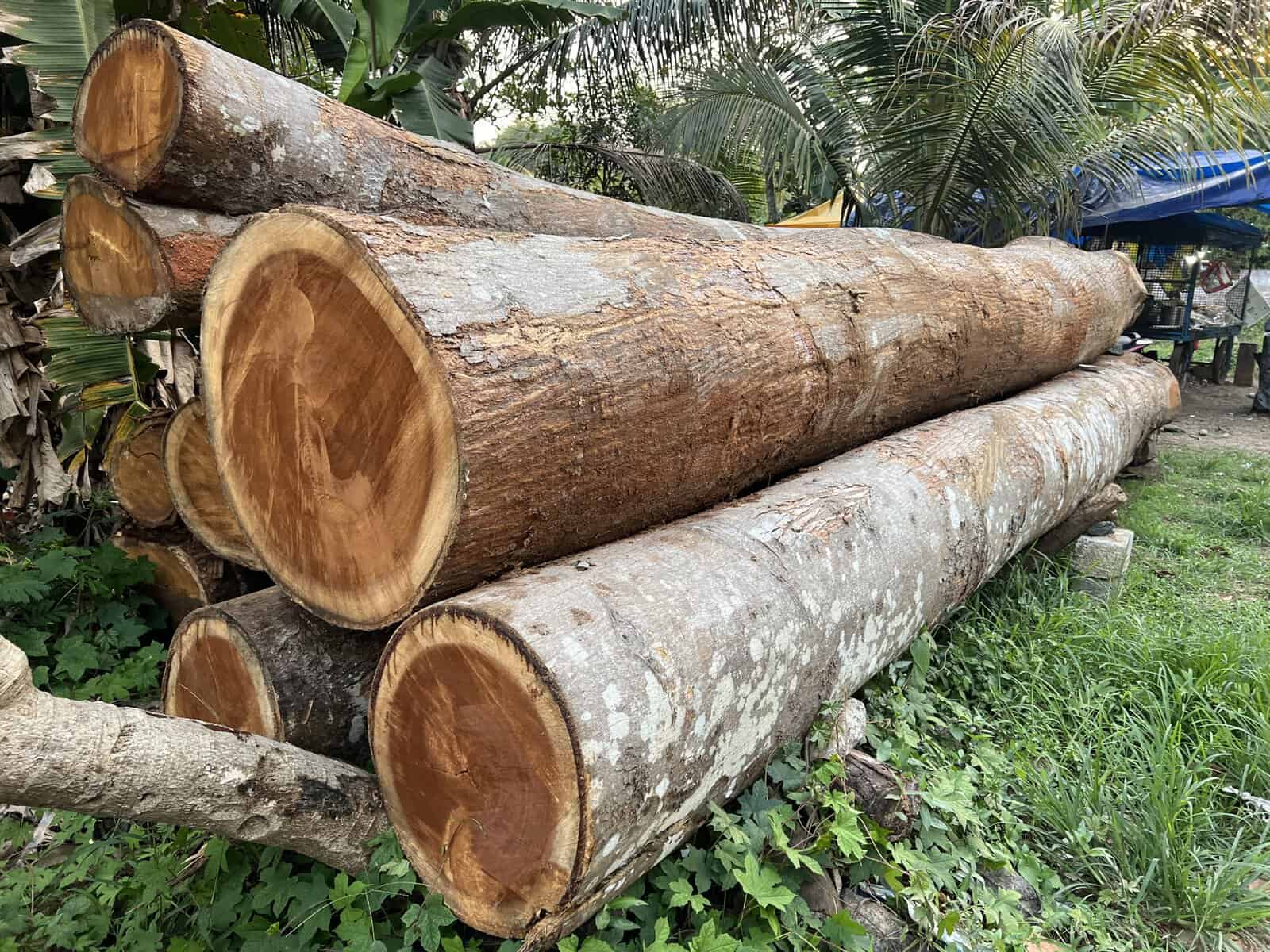
More than 6,000 people across Europe who bought teak trees growing on plantations in northern Costa Rica fear they have lost most or all of their money after the Swiss company that sold them the trees, and promised to harvest and sell the timber, went bankrupt.
Life Forestry Switzerland AG, based in the town of Stans, took in about 200 million Swiss francs (roughly $245 million) from buyers over some 20 years, according to a joint investigation by the Swiss investigative newsroom CORRECTIV. Schweiz and Rundschau, the investigative program of Swiss public broadcaster SRF, published. When bankruptcy proceedings opened in late 2025, the company’s bank account held 805 francs, according to bankruptcy records reviewed by the reporters.
Prosecutors in Nidwalden have opened criminal proceedings against Carl-Lambert Liesenberg, the company’s former chief, and a second person on suspicion of fraud, disloyal management and bankruptcy offenses, a prosecutor confirmed to the reporters. Authorities recently carried out five searches. No charges have been filed, and both individuals are presumed innocent.
Liesenberg, a 62-year-old German-born businessman, joined the firm as managing director in 2009 and became its owner and sole board member in 2017. He is now also responsible for its liquidation, according to the investigation. The business model looked simple on paper. Buyers paid for young teak trees on plantations in Costa Rica and Ecuador and signed service contracts under which the company would tend the trees and after 10 to 20 years, sell the timber, with sales material holding out annual returns of up to 12 percent.
Stakes ranged from a few thousand francs to several million. One retired executive told the reporters he bought nearly 25,000 trees in stages for 2.5 million euros, has never been paid, and filed a criminal complaint in September seeking his money back.
Most buyers live in Germany, where courts have already ruled against the company. Germany’s Federal Court of Justice confirmed in 2024 that German buyers were entitled to repayment, and in October 2025 a regional court in Frankfurt an der Oder found in a civil case that the business had been designed to deceive customers, with unrealistic projected returns and timber yields and inflated purchase prices, the investigation reported.
More than 100 buyers then demanded refunds that were never paid, and those claims appear to have contributed to the collapse, according to the bankruptcy file. The proceedings themselves were triggered by Switzerland’s federal tax administration over roughly 400,000 francs in taxes left unpaid since 2020.
Most of the roughly 60 plantations where the buyers’ trees stand lie in the Pocosol area of Costa Rica’s Northern Zone, close to the border with Nicaragua. Reporters who visited six of them in September found that the company had in fact planted and maintained teak.
Neighbors, however, questioned why mature trees had not been cut. A logger who lives beside one plantation told the team that some stands had been ready for harvest since last year and suggested a slump in demand for teak was to blame, a view echoed by a trader who once bought the company’s wood for export to India.
The land beneath the trees does not belong to the bankrupt Swiss firm. Costa Rica’s national property registry lists two Costa Rican companies as owners of more than 40 square kilometers (15 square miles) of plantation land with a registered value of about 16 million francs (roughly $20 million), the investigation found.
One is Life Forestry Costa Rica S.A., run by a Nidwalden business associate of Liesenberg. The other, Central American Real Estate S.A., lists Liesenberg and his wife on its board, even though Liesenberg told the Nidwalden cantonal court that he had nothing to do with the Costa Rican companies, according to the reporters.
That ownership matters. If the trees are not harvested before buyers’ contracts run out, the investigation concluded, they would likely stay with the landowner, along with any proceeds from a later sale.
Harvesting has also become harder on the ground. The reporters found the plantations occupied by about 600 people, most of them from Nicaragua, who said they had been told the owners were bankrupt and had left the country. At one site, men carrying machetes ordered the journalist working for the team to leave, and Costa Rican authorities have been informed of the land occupations, the investigation said.
The company’s 2023 financial statements show about 25 million francs in outstanding loans, including 3.6 million francs to Liesenberg personally, with the rest spread among his companies in Switzerland and Tanzania and business partners in Ecuador. Liesenberg told the cantonal court that buyers’ money had gone to plantation management, marketing and administration.
Liesenberg met the reporters for an off-the-record conversation in September but did not answer their written questions. In a press release, he said customers still own their trees, that the bankruptcy affects only management, harvest and sale, and that some 4,000 customers had signed contracts with a former employee under which harvest and sale were imminent. He also portrayed himself as a target of lawyers profiting from worried customers.
Liesenberg maintains that customers bought trees rather than made investments. Switzerland’s Federal Supreme Court took a different view in 2015, finding that the purchase-and-service contracts did not give buyers a position comparable to ownership, the investigation noted.
The former employee, identified only as Patrick H. and described as the company’s longtime deputy managing director, now offers through a new firm to manage, harvest and market the trees for a 15 percent commission, while saying the firm has no legal link to the bankrupt company. A 71-year-old buyer told the reporters he pressed her hard during a 40-minute phone call, warning she could lose everything if she did not sign. He declined to answer the reporters’ questions.
Teak has a long and troubled record as an investment product in Costa Rica. A United Nations Food and Agriculture Organization review cited the Dutch-owned Flor y Fauna plantations, planted in northern Costa Rica from 1989, as one of the most prominent controversies of its kind, and German prosecutors later investigated Green Planet AG on suspicion that only about a fifth of the money its roughly 700 buyers paid for Costa Rican teak ever reached the plantations. The case adds to a long list of schemes that have targeted investors in Costa Rica.
For now, the buyers’ best hope rests with prosecutors in Switzerland and Germany tracing where the money went. In the meantime, the teak keeps growing in Costa Rica’s northern lowlands, on land the buyers do not own and increasingly cannot reach.





