
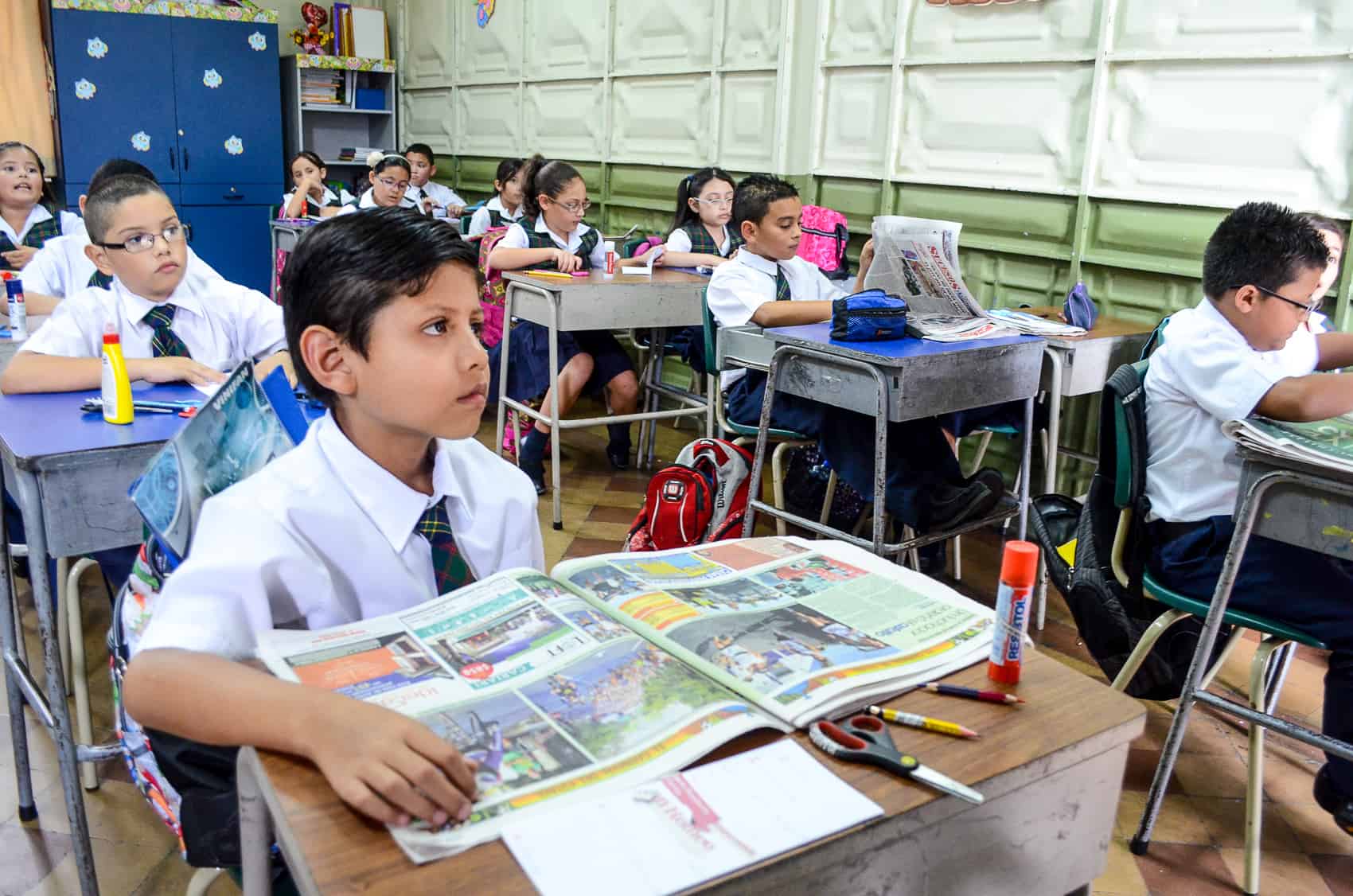
Costa Rica’s public schools have 179,568 fewer students than they did in 2021, a drop of about 16.5% in five years, as the falling birth rate empties classrooms. Public enrollment fell from 1,087,606 students in 2021 to 908,038 in 2026, according to Ministry of Public Education (MEP) data. The ministry projects another decline next year, to 873,086 students, nearly 35,000 fewer.
Public schools are losing an estimated 30,000 to 42,000 students a year. Twenty-five public schools closed between 2019 and 2022, and 51 more between 2023 and 2026. Private schools are moving in the other direction. Private enrollment grew from 81,220 students in 2021 to 93,755 this year, an increase of 12,535.
Education Minister Leonardo Sánchez Hernández attributes the public decline mainly to the shrinking number of children in Costa Rica. He estimates that families switching to private schools account for no more than 7% of the drop.
Citing figures from the National Institute of Statistics and Census (INEC), the minister said the fertility rate fell from 1.78 to 1.12 children per woman between 2014 and 2024, and the crude birth rate dropped 23% between 2020 and 2025. Sánchez also pointed to post-pandemic adjustments in enrollment records, migration and students leaving school altogether. Ministry figures count 9,662 students who have dropped out of the education system this year.
Researchers and private school representatives offer additional explanations for the private sector’s growth. Dagoberto Murillo Delgado, a researcher with the State of Education report, said smaller families may have more money to spend on each child’s schooling, and higher-income households may be choosing private options.
Antonio Fernández Rojas, executive director of the private schools association ADEC, said the pandemic pushed some families to make the switch. Parents cite English instruction, stronger academics and smaller class sizes as reasons for the move. The trend is part of a wider demographic shift in which Costa Rica’s population could begin shrinking earlier than expected. With the ministry projecting tens of thousands fewer students each year, the pressure on the public school network is set to continue.