

Human trafficking investigations in Costa Rica have already surpassed the total recorded during all of last year, with sexual exploitation accounting for most of the cases under investigation. The Judicial Investigation Agency, known as the OIJ, recorded 43 human trafficking cases during the first seven months of 2026. That compares with 37 investigations throughout 2025.
Of the cases opened this year, 37 involve suspected sexual exploitation, four involve labor exploitation and two involve forced begging. Most identified victims have been women, although authorities have also documented cases involving men and minors. The figures were released as Costa Rica is marking World Day Against Trafficking in Persons today.
Investigators warned that trafficking does not always involve victims being kidnapped, physically restrained or moved across an international border. Many cases begin with what appears to be a legitimate job opportunity. Victims may be promised employment, better pay or help traveling to another location. Once they arrive, traffickers may confiscate their passports or identification documents, restrict their movements and threaten them or their families.
Criminal groups also use fabricated debts to prevent victims from leaving. Transportation, accommodation and food costs are added to the supposed debt, sometimes reaching as much as $20,000. Additional charges, penalties and interest are then imposed whenever a victim appears close to paying the amount. The debt becomes a tool of control rather than a genuine financial obligation.
Some victims are permitted to leave the place where they are being exploited, but only under surveillance or strict restrictions. Migrants may be threatened with arrest or deportation if they contact authorities or attempt to escape. Human trafficking can occur entirely within Costa Rica. A person does not need to cross a border to be considered a trafficking victim if deception, threats or abuse of vulnerability are used to exploit them.
Sexual exploitation remains the most frequently investigated form of trafficking in the country. Authorities have identified massage businesses, lodging facilities and other establishments that allegedly operate as fronts for exploitation. Labor trafficking can involve people forced to work in abusive conditions without genuine freedom to resign or leave. Victims may receive little or no pay while living under threats, surveillance or control by employers or recruiters.
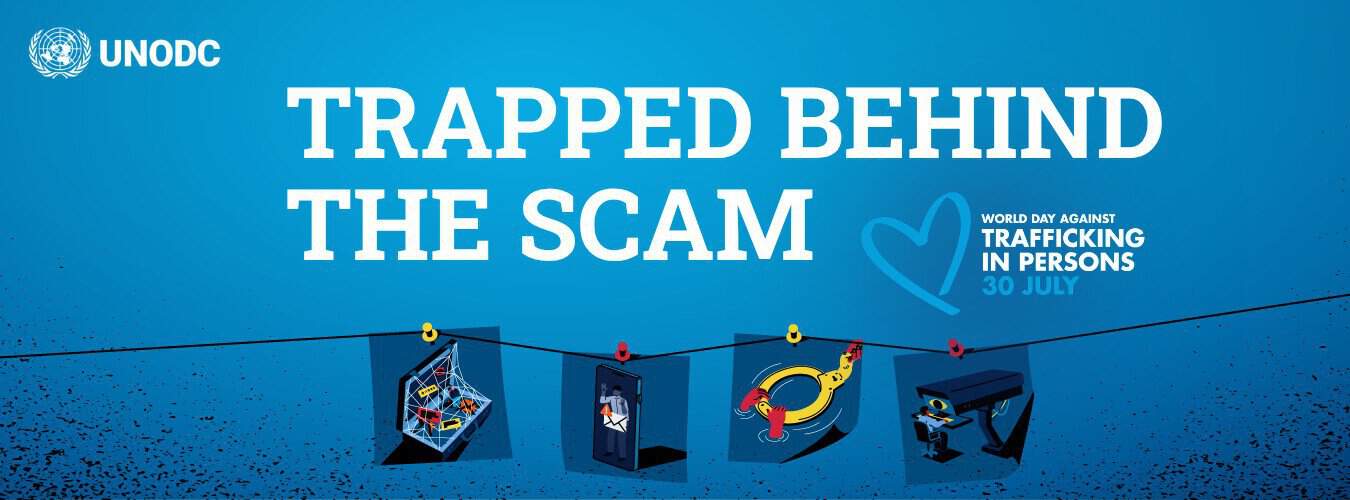
Authorities are also seeing newer forms of trafficking involving forced criminal activity and online fraud. Some victims are recruited through false overseas job offers and transported to locations where they are forced to participate in internet scams while being watched and threatened.
Similar cases have emerged internationally as criminal organizations adapt their recruitment methods to social media, messaging platforms and online job advertisements. Costa Rica participated in a major international operation against human trafficking in June involving authorities from 59 countries. The operation identified 2,070 possible victims worldwide, led to 1,024 arrests and opened 465 investigations.
The operation targeted networks involved in sexual exploitation, forced labor, forced criminal activity and coerced begging. Costa Rica was among the participating countries. Investigators say warning signs can include employment offers that appear unusually generous, employers holding a worker’s documents, unexplained debts that never decline and restrictions on communicating with family members.
Other signs include a person being constantly watched, receiving threats, lacking control over their own money or being unable to leave their workplace or residence freely. Rescuing a victim is often only the beginning of the recovery process. Survivors may need protection, psychological assistance, legal support and help rebuilding their lives without returning to the same conditions that made them vulnerable.
In Costa Rica, victims can receive assistance through the Public Prosecutor’s Office for Victim Assistance and Protection and other specialized agencies. Authorities say public awareness remains important because trafficking frequently takes place behind ordinary-looking businesses, job offers and personal relationships. In many cases, victims may not immediately recognize that they are being exploited or may be too frightened to ask for help.
The sharp increase in investigations during 2026 does not necessarily show the full scale of trafficking in Costa Rica. The crime is difficult to detect because victims may fear retaliation, deportation or punishment, allowing many cases to remain hidden.





