

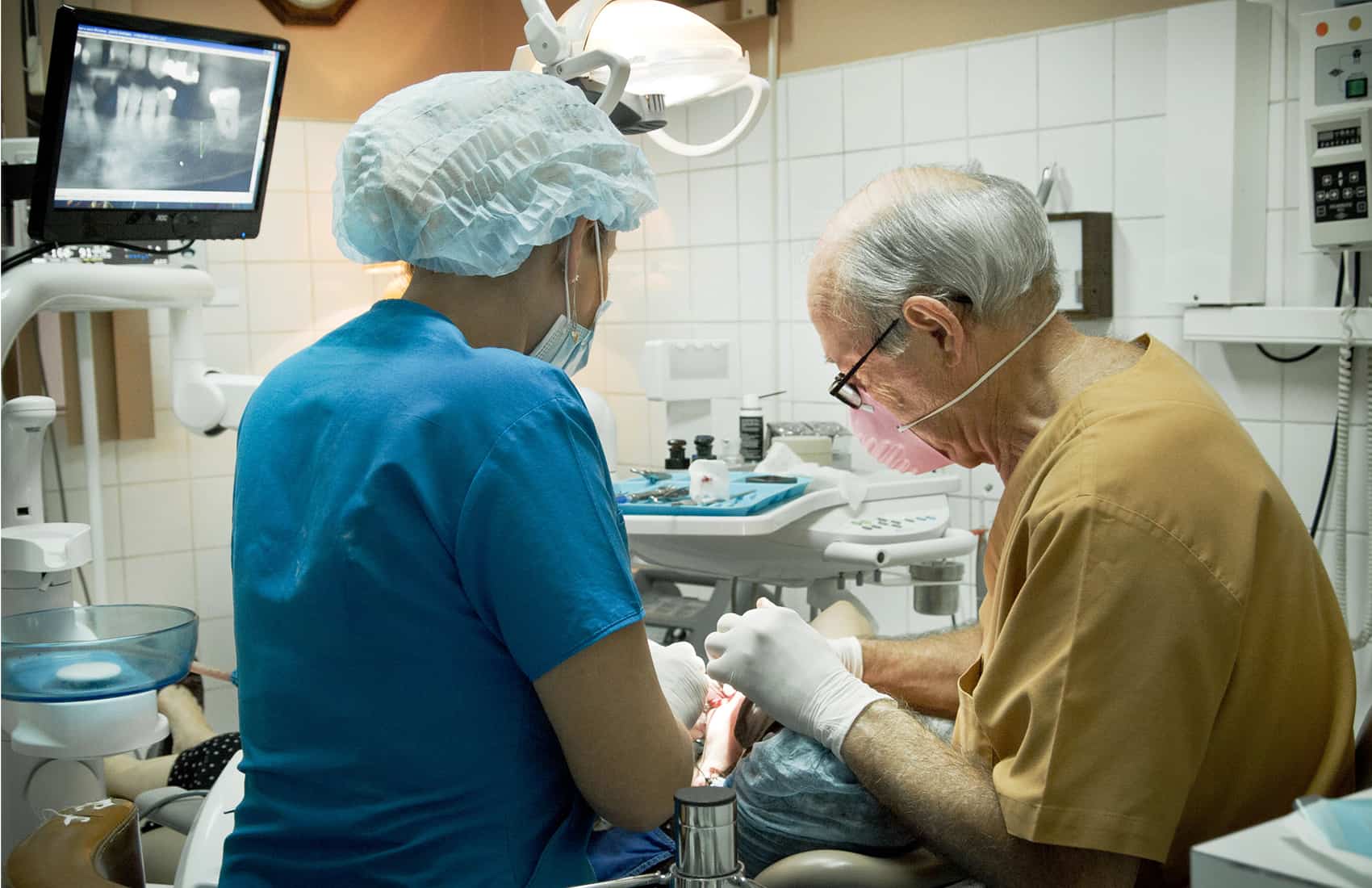
Costa Rica’s private hospitals, clinics and medical offices are treating about as many foreign patients as they have in recent years, but they are taking in 10% to 15% less for that work because of the dollar’s slide against the colón, according to the Costa Rican Chamber of Health. Rodolfo Garbanzo, president of the chamber, said the drop is already visible in the financial statements of companies that serve medical tourists, as it is in every industry paid in dollars.
He said patient volume has changed little in recent years. The squeeze comes from a currency mismatch. Providers bill almost all of their services to foreign patients in U.S. dollars, while salaries, social security contributions, rent and suppliers are paid in colones. Every dollar a patient pays now converts into fewer colones to cover those costs.
The dollar closed at 452.62 colones on Tuesday in the Central Bank’s Monex foreign exchange market. That is more than 50 colones below its level on the same date last year and more than 200 colones below mid-2022, when it traded near 700. At a difference of 50 colones, a $10,000 treatment package converts into roughly 500,000 fewer colones than it would have a year ago, a loss of about 10% before a single local cost has risen. The colón’s strength reflects a record supply of dollars in the local market.
Central Bank figures cited by the chamber put medical tourism in Costa Rica at about $465 million in foreign currency a year, from 70,455 medical tourists spending an average of $6,600 each. Using those figures as a baseline, the chamber estimates the activity has generated about $9.3 billion and 1.4 million patient visits over the past 20 years.
The chamber said the exchange rate has not hurt Costa Rica’s reputation as a provider of medical services, even as the country grows steadily more expensive for visitors. Massimo Manzi, the chamber’s executive director, said the currency is without question a challenge for the country and its companies. He noted that about 94% of the sector’s patients come from the United States and Canada, and that in the United States health care costs remain very high while insurance coverage is employers’ second-largest expense after payroll.
That pressure, he said, continues to push more medical tourists toward Costa Rica. Roberto Herrera, the chamber’s first vice president, said part of the country’s regular tourist traffic also depends on private health care. He said a significant number of older travelers vacation in Costa Rica because they know that if something happens to them they can be treated locally rather than evacuated, since private care is available across the country.
The same exchange rate pressure runs through the wider tourism industry. An analysis by the Center for Tourism Studies, based on Central Bank balance of payments data, found that tourism brought in a record amount of foreign currency in the second quarter of 2026, yet the total converted to about 601 billion colones, 7.7% less than the roughly 651 billion colones of the same quarter a year earlier.
The center based that comparison on average quarterly rates of about 455 colones per dollar this year and about 505 a year before. Households living on dollar income face the same arithmetic, as the dollar’s fall below 450 colones has cut what a fixed pension or salary buys locally.
The chamber released its revenue estimate as it marked its 10th anniversary. Alongside it, the group cited a sector study counting more than 80,000 jobs tied to health and social services, pharmaceutical sales and medical manufacturing, along with about 1,457 private pharmacies, 555,000 memberships in prepaid medical plans and 599,000 private health insurance policies.
Costa Rica gave the activity a legal framework in 2023 with Law 10.320, which set rules to promote and regulate health tourism services and gave the chamber a seat on the interinstitutional commission that oversees it. The country is also pursuing wellness tourism in Nicoya as a related draw for high-spending visitors.
For now, the chamber describes the damage as a matter of margins rather than demand. The patients are still arriving. Each one is simply worth less once the dollars reach the bank.





