

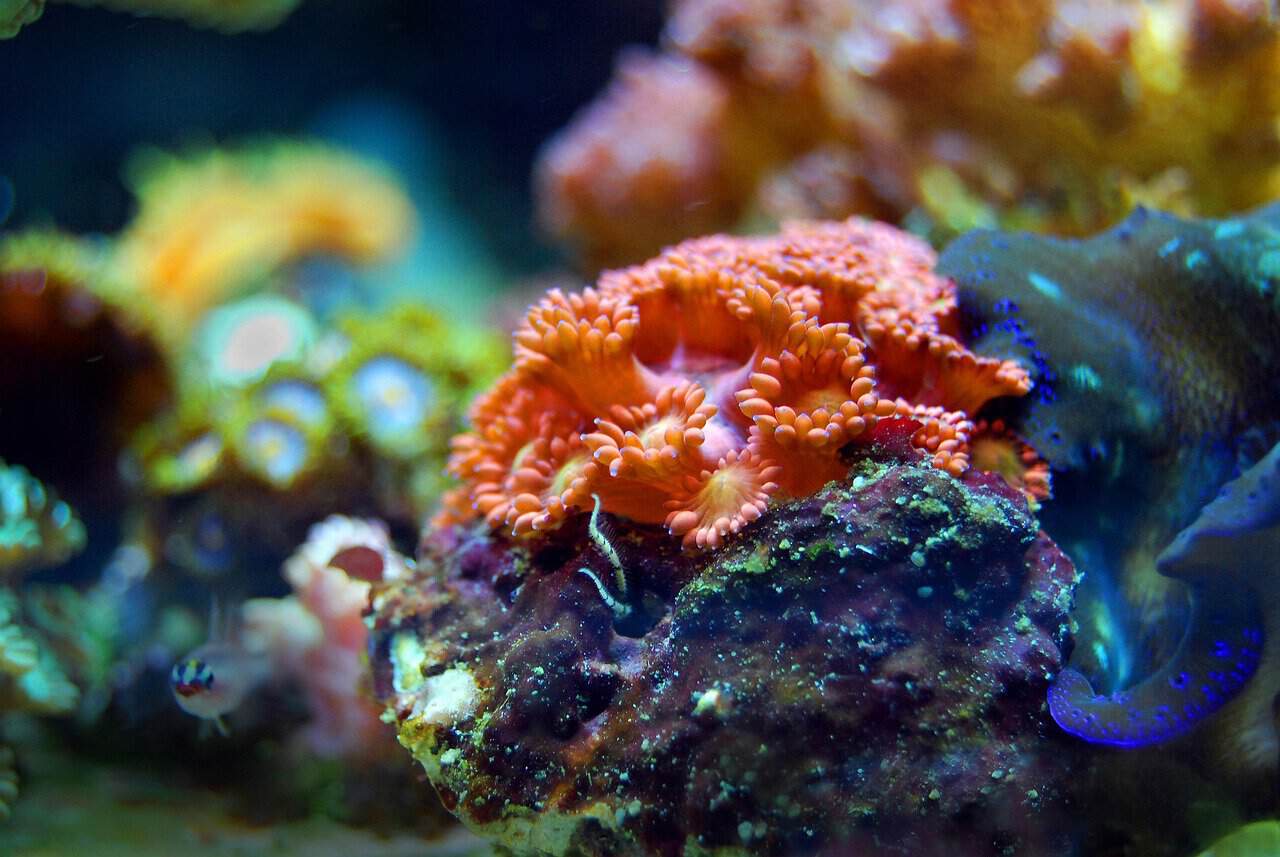
A coalition of environmental organizations has launched a nationwide campaign to protect Costa Rica’s coral reefs as a powerful El Niño threatens to push ocean temperatures higher through early 2027. The “United for Costa Rica’s Reefs” campaign is calling on coastal communities, fishers, surfers, dive centers, tour operators, scientists and members of the public to reduce the human pressures placed on reefs while they face extreme heat stress.
Under the slogan “Life Is Better in Color,” the initiative will focus on the period from October 2026 through February 2027, when ocean warming is expected to place the greatest strain on coral ecosystems. “We are in a critical window. Giving the reef a break by reducing our tourism and maritime footprint is vital to its survival,” campaign organizers said.
El Niño is already underway and is expected to strengthen through the end of 2026. Current projections give the event a high chance of reaching the “very strong” category between October and December and continuing into the early months of 2027. The forecast has raised concern because many Costa Rican reefs are still recovering from the widespread coral bleaching recorded during the 2023–2024 El Niño event.
Bleaching occurs when unusually warm water causes corals to expel the microscopic algae living inside their tissues. Those algae provide corals with much of their food and their distinctive colors. Bleached coral is not necessarily dead, but it is weakened and more vulnerable to disease. When elevated temperatures continue for too long, entire colonies can suffer permanent damage or die.
Costa Rica’s reefs also face local pressures that can make it harder for them to survive rising water temperatures. These include pollution, careless anchoring, sediment runoff, unsustainable fishing, plastic waste and poorly managed tourism activities. The campaign stresses that people cannot directly lower ocean temperatures, but they can reduce the additional damage caused by human activity.
Recommended measures include keeping boat anchors away from reefs, following fishing closures and minimum-size rules, reducing single-use plastics, preventing waste from entering the sea and avoiding contact with coral while swimming, snorkeling or diving. Tour companies and dive operators are also being encouraged to review their daily practices, educate visitors and ensure boats do not anchor directly on sensitive marine habitats.
Coral reefs are sometimes called the tropical forests of the sea because of the extraordinary amount of life they support. Although they cover only a small portion of the ocean floor, they provide food, shelter and breeding areas for roughly one-quarter of marine species. Healthy reefs are also important to people. They support fishing communities, attract divers and other tourists and form natural barriers that reduce the force of waves, storms and coastal erosion.
Damage to the reefs can therefore spread well beyond the marine environment. Declining coral health can reduce fish populations, affect tourism income and leave coastal communities more exposed to rough seas and severe weather. Organizers said the campaign is intended to serve as an open national platform rather than a project belonging to a single organization. Conservation groups, tourism businesses, community associations and other participants can join the initiative, share educational material and adopt environmental commitments.
“This is not only a scientific warning,” the organizers said. “It is an opportunity to unite and defend the marine life that sustains Costa Rica.” Information about participating and recommended reef-protection measures is available at elnino26costarica.org.





