

No menu items!

COSTA RICA'S LEADING ENGLISH LANGUAGE NEWSPAPER

HomeNewsCosta Rica's Strongest El Niño Impacts Expected Between October and March

Costa Rica’s Strongest El Niño Impacts Expected Between October and March

Costa Rica could face its most significant El Niño-related weather impacts between this October and next March according to projections from the National Meteorological Institute (IMN), raising concerns about reduced rainfall, higher temperatures, water availability, agriculture, and wildfire risk across parts of the country.

The IMN said the developing El Niño event is expected to strengthen during the second half of 2026, with its peak influence on Costa Rica likely occurring from October through March. That period coincides with the transition from the rainy season into the dry season, when El Niño’s effects are often felt most strongly.

El Niño is a natural climate pattern caused by unusually warm ocean temperatures in the central and eastern tropical Pacific. In Costa Rica, it typically brings below-average rainfall to much of the Pacific coast, the Central Valley, and the Northern Zone, while temperatures tend to rise above normal levels. Caribbean impacts can vary depending on regional weather patterns.

International climate agencies are also forecasting a significant El Niño event. The World Meteorological Organization recently reported an 80% probability of El Niño conditions during mid-2026, with a strong likelihood the phenomenon will continue through the end of the year. Several global forecasting models suggest the event could become moderate to strong.

For us here in Costa Rica, the timing is important as October and November are normally among our wettest months of the year, particularly on the Pacific. A strong El Niño could reduce rainfall during that period and accelerate the arrival of dry-season conditions. In areas such as Guanacaste, where water shortages can already occur during the summer months, officials may closely monitor reservoir levels and water management plans.

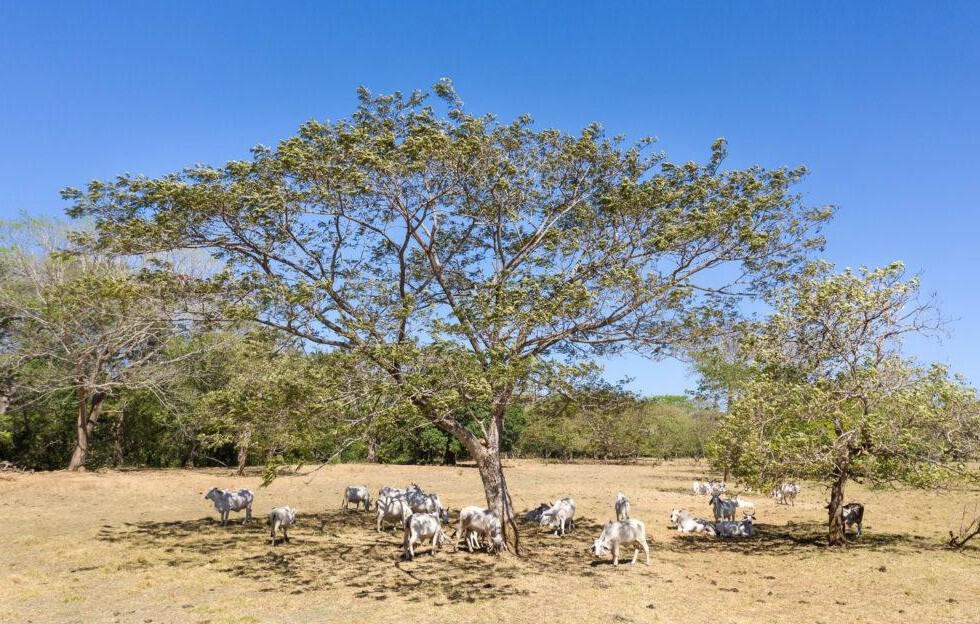
Agriculture could also feel the effects. Lower rainfall and higher temperatures can stress crops and pasturelands, particularly in northwestern Costa Rica. Previous El Niño events have been linked to reduced agricultural yields, increased irrigation demand, and a higher risk of wildfires in vulnerable areas.

Drier conditions often bring more sunny days to popular Pacific beach destinations, but prolonged drought and water restrictions can create challenges for communities and businesses that depend on reliable water supplies.

While uncertainty remains regarding the exact strength of the event, forecasters agree that El Niño is likely to be a major factor influencing Costa Rica’s weather through late 2026 and early 2027. The IMN is expected to issue updated outlooks in the coming months as ocean and atmospheric conditions continue to evolve.


Trending Now

Costa Rica Hits Record Digital Payment Use as Cash Declines

Costa Rica is moving further away from cash, with new figures showing record use of electronic payments across the country. According to the latest...

Birdwatching Becomes Major Growth Area for Costa Rica Tourism

Birdwatching is becoming one of Costa Rica’s most valuable tourism niches, as travelers seek trips built around wildlife, local guides and rural destinations rather...

Messi Makes World Cup History as Argentina Opens Title Defense

Lionel Messi began what could be his final World Cup with another night that belonged entirely to him. The Argentina captain scored a hat...

Panama to Adopt Bukele-Style Prison Measures After La Joyita Escape

Panama will adopt the kind of "hardline" prison reforms of its Latin American neighbors to address failures of its penal system following a mass...

Cerúndolo Carries Argentina Into Queen’s Club Semifinals

Francisco Cerúndolo’s grass-court rise has taken another meaningful step, and this one comes with a clear Latin American edge. The Argentine seventh seed reached...

Joy for Colombia, Heartbreak for Panama at World Cup 2026

A day that began with hope for Latin America's two teams in action at the 2026 World Cup ended in sharply different moods —...

Latin American Tennis Players Test Grass-Court Form Before Wimbledon

Latin America’s grass-court week at Queen’s has become a useful Wimbledon check for three players arriving with very different stories: Argentina’s Francisco Cerúndolo, Peru’s...

Why do mosquitoes bite some people more than others?

Why are some people like “magnets” for mosquitoes while others seem to escape them? According to scientists, who are still working to decipher the...

Costa Rica Expands EV Charging Network With 180 New Stations

Costa Rica’s push toward cleaner transportation is getting a new boost, as the Costa Rican Electricity Institute, known as ICE, announced a $4.6 million...
Steven Hodel
Steven Hodel
Steven Hodel is the Tennis Correspondent for The Tico Times, covering the ATP and WTA tours and Latin American players from his base in Costa Rica. Reach him at steve@ticotimes.net or on X at @theticotimes.
🌴 The Weekly Pura Vida

Costa Rica, Once a Week

The week's top stories, weather & insider tips — delivered every Sunday. One email, zero clutter.

🔒 Free. No spam. Unsubscribe anytime.

Loading…

Latest News from Costa Rica

Costa Rica Coffee Maker Chorreador
Costa Rica Car Rentals
Costa Rica Travel Insurance
Costa Rica Travel


