

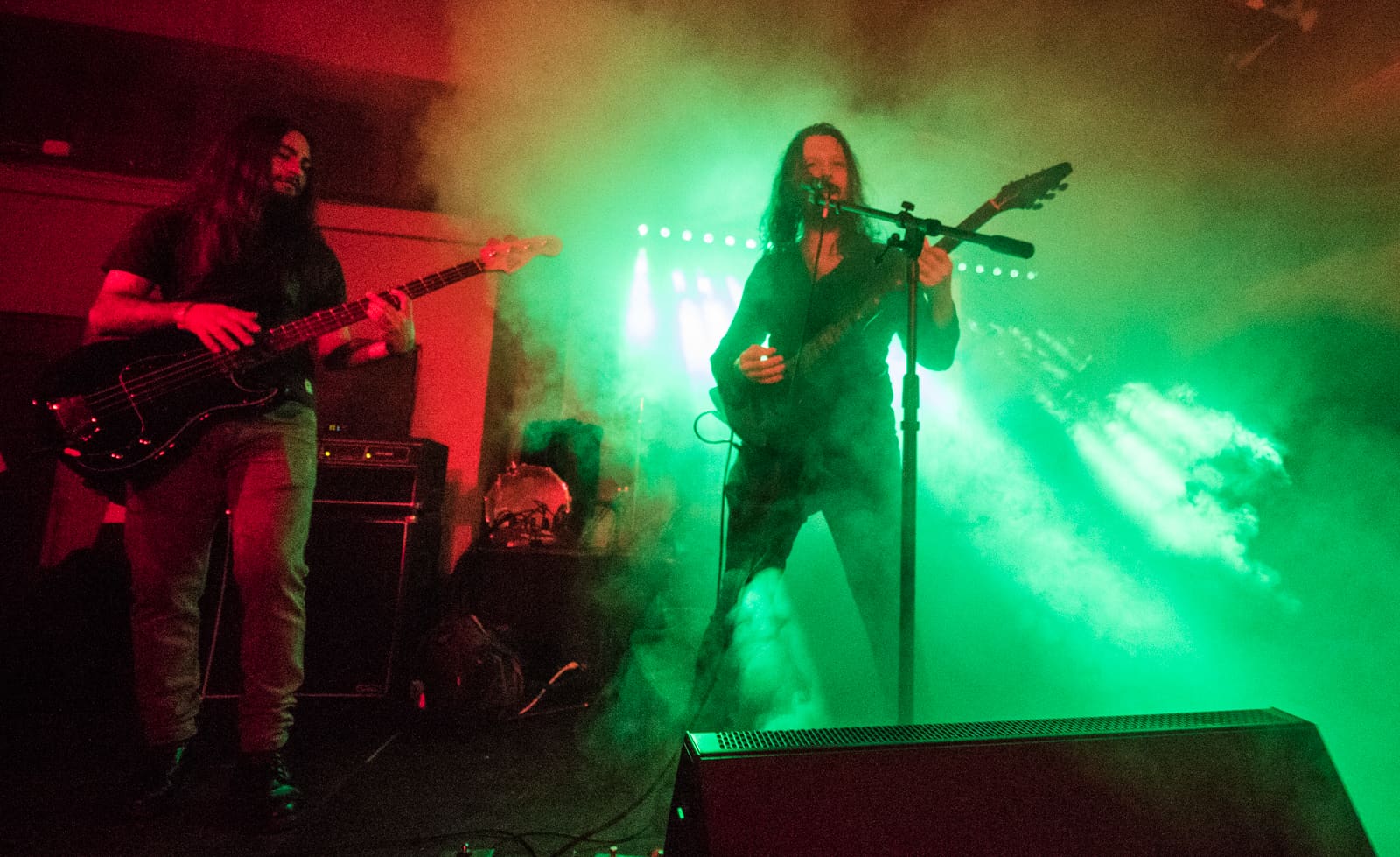
San José’s municipal government is moving to discard a proposed entertainment regulation that would have restricted dancing, live music, DJs and karaoke at restaurants and bars, following several days of criticism from artists, business owners and nightlife workers. The San José City Council was expected to vote Tuesday evening to stop the regulation’s approval process and archive the current text.
The move would force the municipality to begin drafting a replacement from the beginning, this time with participation from the cultural, restaurant, bar and entertainment businesses. The development marks a sharp reversal from earlier when the City Council approved sending the proposed Regulation on Public Entertainment forward for public consultation. As we reported last week, the draft would have prohibited dancing in restaurants and limited live music, DJ performances and karaoke to secondary activities that did not involve dancing.
It also would have required restaurants to end public entertainment by 10 p.m., regardless of whether the business was in a commercial area or a neighborhood where homes and businesses operate side by side. The proposal had not taken effect, but its initial approval quickly alarmed restaurant operators, musicians, DJs, dancers, event producers and other workers who depend on San José’s nightlife economy.
Dozens of people gathered outside the municipal building Monday evening while council members held an extraordinary session to discuss the regulation. Representatives from the cultural, entertainment, restaurant and bar sectors called for the proposal to be withdrawn rather than modified behind closed doors.
The groups argued that the regulation had moved forward without adequate consultation and did not reflect how entertainment businesses actually operate in the capital. Many restaurants and bars host live bands, DJs, karaoke nights and small performances under their existing business licenses. Requiring them to obtain different permits or banning customers from dancing could make those activities difficult or impossible to continue.
Opponents also questioned whether the municipality had the legal authority to create new categories of entertainment licenses, regulate artistic content or impose broad restrictions that are not clearly established under national law. A motion presented to the City Council raised concerns that parts of the proposal went beyond the municipality’s responsibilities. It also challenged language that would have allowed officials to consider broad ideas such as convenience, public interest or past complaints when deciding whether to approve entertainment permits.
Critics said those standards could lead to inconsistent decisions because they were not tied to clear, measurable requirements. San José Mayor Diego Miranda acknowledged that the regulation contained problems and asked the council to reverse the earlier decision. He said the municipality would open discussions with affected groups before presenting another version.
The municipality held initial meetings Monday with representatives from cultural organizations and businesses that hold municipal operating licenses. Additional working sessions are expected to begin in August. Council President Rafael González said the intention is not simply to return the existing proposal to a municipal committee for minor changes. Instead, the current draft is expected to be rejected and archived so a new regulation can be written from scratch.
The municipality still intends to regulate entertainment businesses, particularly in mixed-use neighborhoods such as Barrio Escalante, where restaurants, bars and music venues operate close to homes. Residents in those areas have complained about noise, traffic and late-night activity. Municipal officials have argued that updated rules are needed to protect neighborhoods while giving businesses clearer requirements.
The dispute now shifts from whether San José needs entertainment regulations to how those rules should be written. Business and cultural groups have said they are willing to discuss noise limits, operating hours, permits and enforcement, but want formal guarantees that they will be included before another proposal reaches the City Council.
Any replacement regulation would need to balance residents’ right to rest with an entertainment industry that supports restaurants, performers, sound technicians, security workers, event producers and other jobs throughout the capital. The withdrawal of the current proposal removes the immediate threat of a 10 p.m. cutoff and dancing restrictions, but the broader debate over San José’s nightlife is far from over.





