

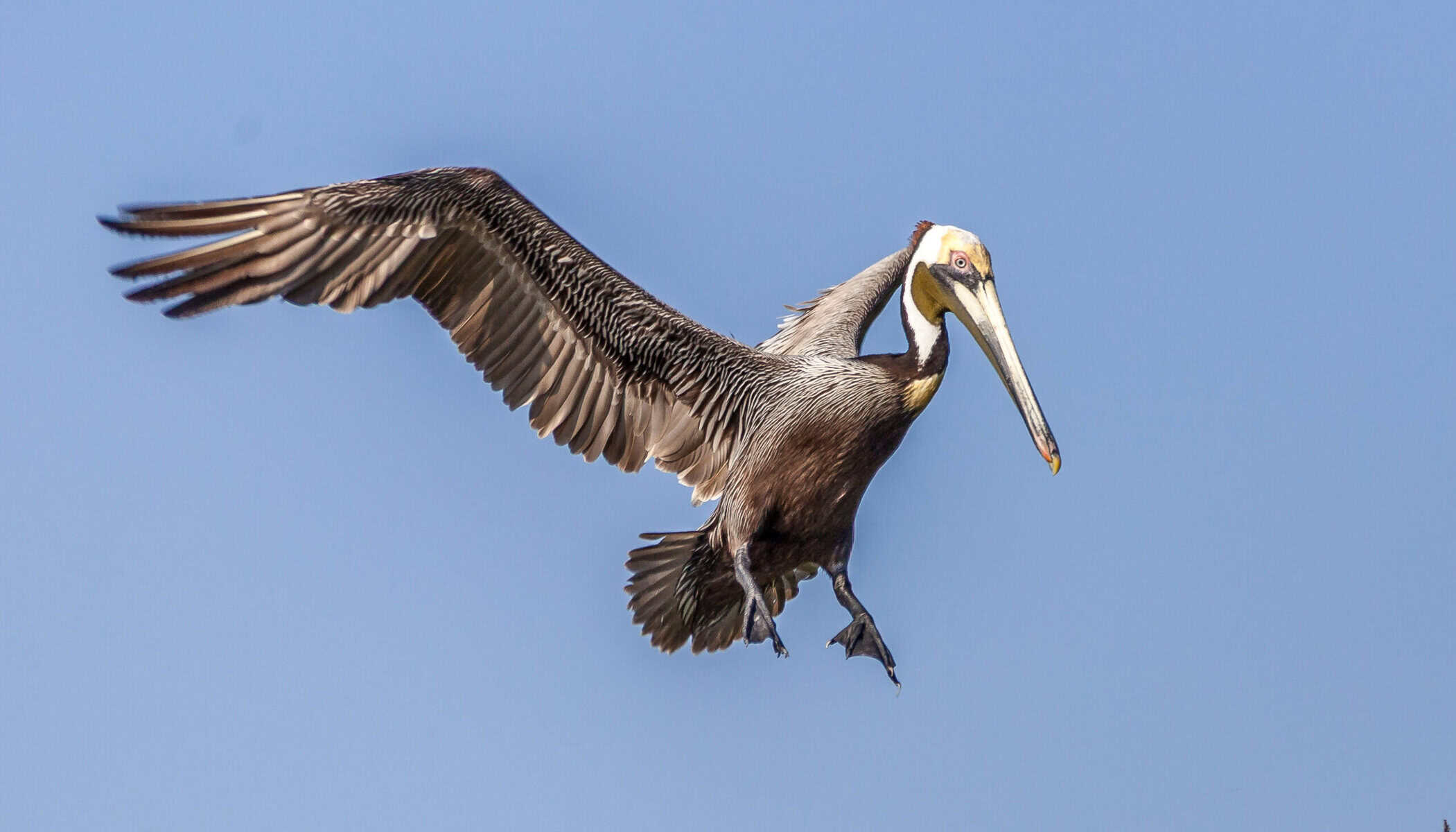
Pelicans found weak, disoriented or behaving unusually along Costa Rica’s Pacific coast have tested negative for avian influenza, but authorities still do not know what is affecting the birds. The results provide an important update to warnings issued last week after reports of sick pelicans increased in Guanacaste, Jacó, Puntarenas and other coastal areas.
Tests conducted on pelican samples have not detected the virus. The National Animal Health Service (SENASA), is continuing its investigation with the National System of Conservation Areas to determine whether another illness or an environmental factor is responsible.
One possibility under consideration involves algae or marine toxins, which can move through the food chain when seabirds eat contaminated fish. Similar incidents involving pelicans have occurred in Costa Rica without being connected to avian flu. No cause has been confirmed in the current cases.
The negative results do not change the warning for people visiting beaches. Anyone who runs into a pelican that appears weak, remains unusually close to people or cannot fly should keep their distance and avoid attempting a rescue. People should not touch, feed, carry or relocate a sick or dead bird. Dogs and cats should also be kept away from affected wildlife, feathers, droppings and other material around the animal.
The latest findings follow Costa Rica’s confirmation of highly pathogenic avian influenza in a blue-footed booby found near Manuel Antonio in Quepos. That case, announced June 25, remains the country’s only confirmed avian flu detection during the current episode.
The virus was identified as highly pathogenic avian influenza type A, subtype H5. It was Costa Rica’s first confirmed case in wild birds since October 2023. Authorities have also collected samples from boobies in Guanacaste and southern Costa Rica. Birds examined in Guanacaste have tested negative, while additional laboratory results from the southern Brunca region were expected later this week.
Costa Rica remains free of avian influenza in domestic poultry. Authorities have said the isolated wildlife case does not affect the safety of chicken, turkey, eggs or other poultry products and has not led to restrictions on international poultry trade. Officials are also monitoring developments elsewhere in Central America, including avian flu outbreaks involving wild birds and poultry in Honduras.
Migratory and other wild birds can move between countries, making continued surveillance important even when local tests are negative. Beachgoers should still treat abnormal bird behavior as a sign that something may be wrong. Symptoms can include tremors, poor coordination, loss of appetite, breathing problems, swelling around the head and an inability to fly normally.
Anyone who finds a sick or dead wild bird should note the location, remain at a safe distance and report it to SENASA or conservation authorities. Photos or video may help officials identify the animal, but people should not approach the bird to get them. The negative pelican tests narrow the investigation but do not resolve it. Authorities are continuing to collect samples as they try to determine why seabirds have been appearing sick along parts of Costa Rica’s Pacific coast





