

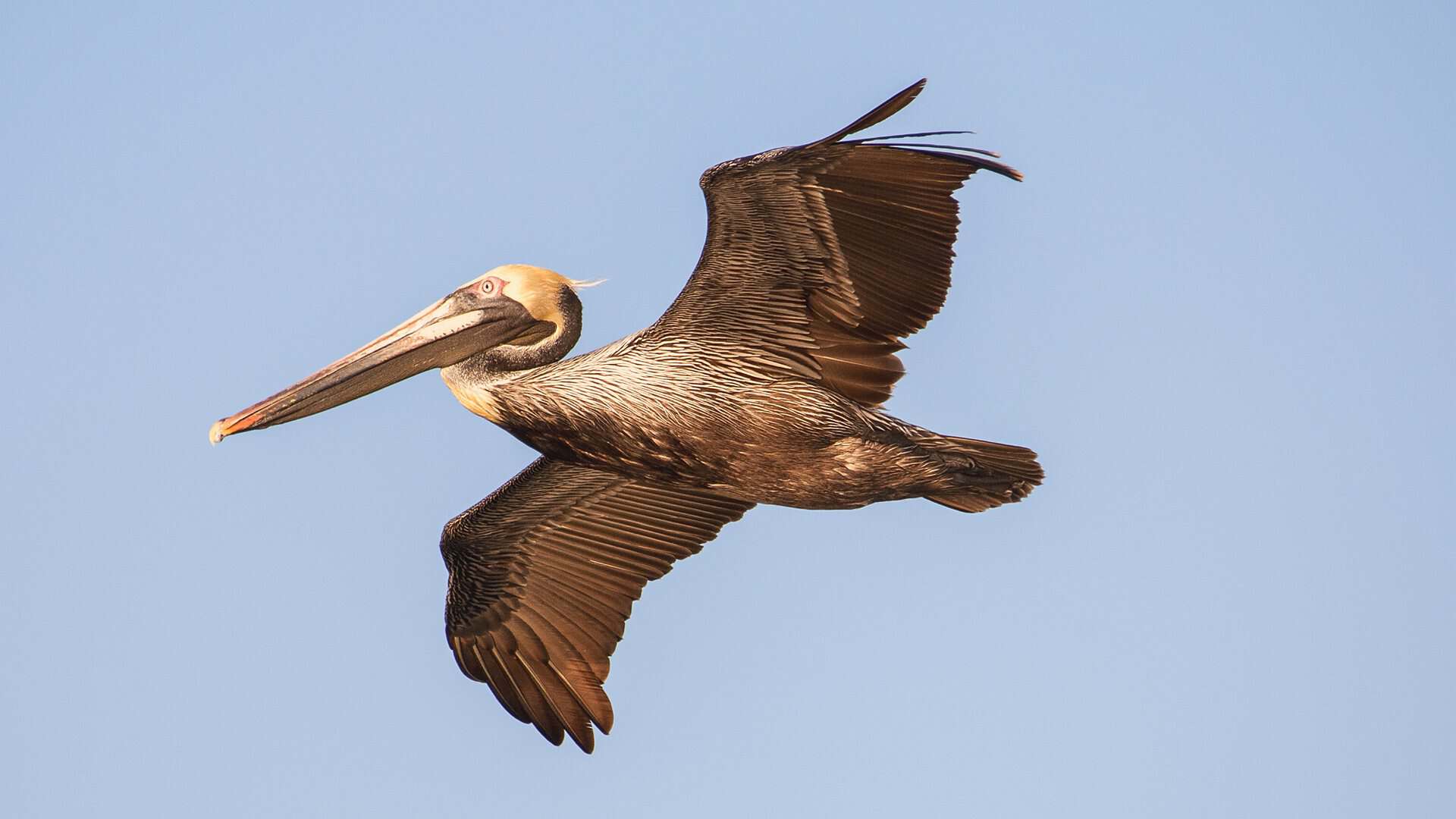
Reports of sick and unusually calm pelicans along Costa Rica’s Pacific coast have prompted renewed warnings to beachgoers after authorities confirmed a case of highly pathogenic avian influenza in a blue-footed booby found near Manuel Antonio. The distinction matters: Costa Rica has not confirmed avian flu in pelicans.
The only confirmed positive case in the current episode remains the blue-footed booby from Quepos, Puntarenas. The cause of the unusual pelican behavior is still being investigated, and initial reports indicate that avian flu has been ruled out in some early analyses.
The confirmed case was detected on June 25 in the Manuel Antonio sector of Quepos. The virus was identified as highly pathogenic avian influenza type A, subtype H5. The National Animal Health Service, known as SENASA, said the case was limited to wildlife and that no infections had been detected in domestic poultry.
Authorities also stressed that chicken, turkey, eggs and other poultry products remain safe to eat, and that the wildlife case does not affect Costa Rica’s poultry export status. Previous avian flu detections in Costa Rica were first reported in January 2023, with the last case recorded in October of that year.
After the Manuel Antonio case, SENASA started surveillance protocols and coordinated monitoring with the Ministry of Health and the National System of Conservation Areas, known as SINAC. The agency asked the public to report sick or dead wild birds, especially aquatic and marine species such as pelicans, boobies and ducks, as well as birds of prey and scavengers.
Concern grew in recent days after pelicans were reported in Guanacaste, Jacó and Puntarenas showing abnormal behavior. In several cases, birds reportedly approached people on beaches, stayed unusually still, or appeared weak, disoriented or unable to fly normally.
Animal welfare groups and biologists have warned that this is not normal behavior for pelicans in Costa Rica. A pelican sitting beside sunbathers or failing to react to people nearby should be treated as a warning sign, not as an animal to approach or rescue.
Specialists have urged residents and visitors not to touch, feed, move or attempt to help sick seabirds. Pets should also be kept away, since dogs and cats can come into contact with bodily fluids, feathers or contaminated sand.
Even if the pelican cases are not avian flu, specialists say the birds could still be suffering from another illness or environmental problem. One possibility under review is whether recent marine conditions, including red tide or related toxins, could be affecting fish eaten by seabirds. That has not been confirmed as the cause.
The public health risk from avian flu remains low for people who avoid contact with sick or dead animals. Still, the virus is closely watched because it can spread quickly among birds and, in rare cases, infect mammals and humans.
Beachgoers should give any sick or unusually behaved wild bird plenty of space, keep dogs and cats away, and avoid touching, feeding or trying to move it. Anyone who sees one should take photos or video only from a safe distance, note the exact location, and report the sighting to SENASA, SINAC or 9-1-1.





