

Costa Rica has confirmed a chikungunya outbreak in Playa Langosta, a popular beach community near Tamarindo, after health officials identified four confirmed cases and 17 probable cases tied to the mosquito-borne virus. The outbreak was detected July 1 in the area of Santa Cruz.
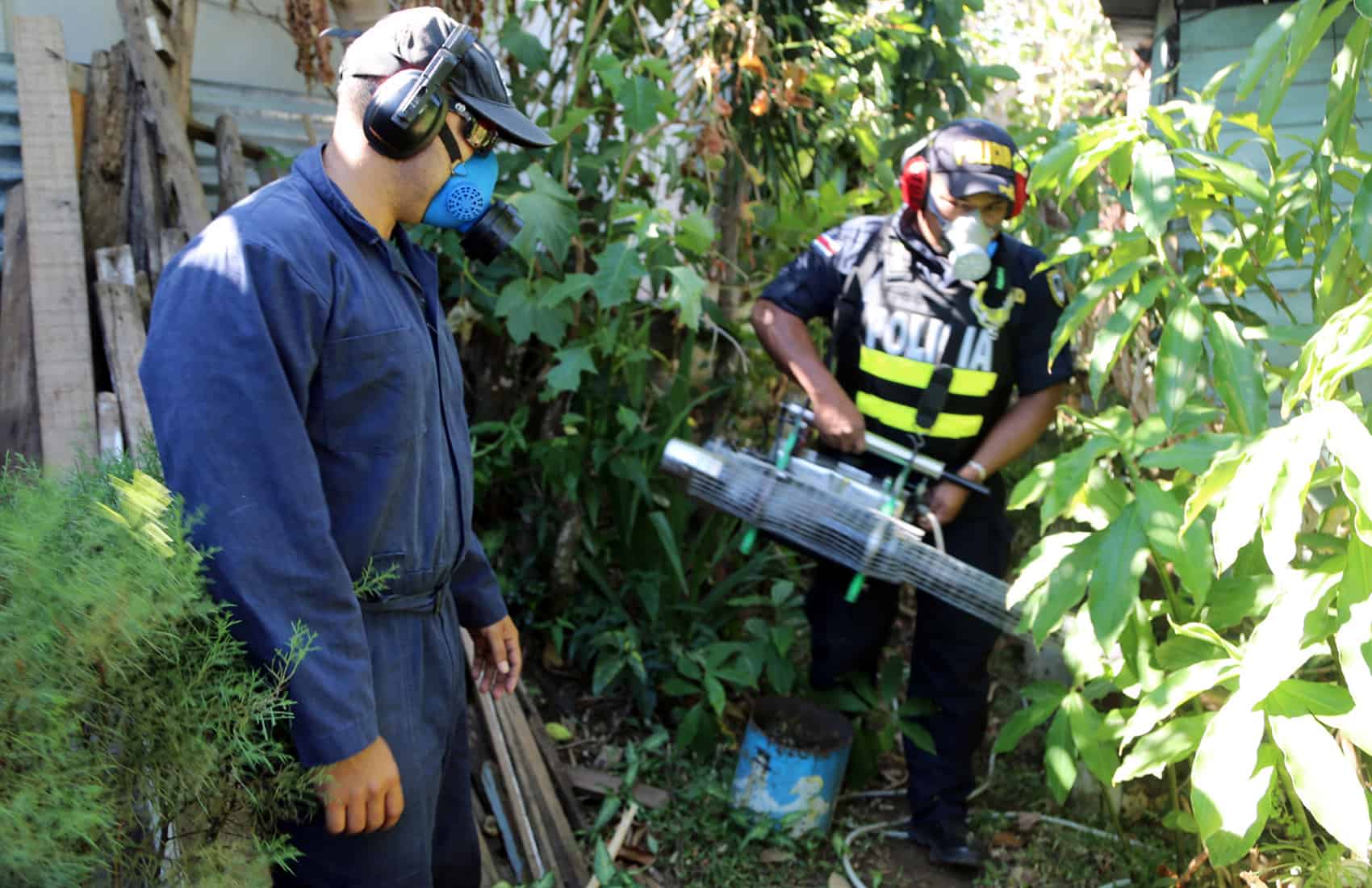
Health teams have since increased mosquito-control work across the area. Authorities said crews have fumigated about 5,000 homes with specialized equipment and carried out targeted interventions in 638 homes, including inspections and the removal of mosquito breeding sites.
Chikungunya is spread through the bite of infected mosquitoes, mainly Aedes aegypti, the same mosquito linked to dengue and Zika. Health officials said Costa Rica had not registered active circulation of chikungunya since 2017. The situation does not mean you need to avoid Guanacaste beaches, but it does call for basic mosquito precautions, especially around homes, hotels, gardens, patios and shaded outdoor areas where standing water can collect.
Everyone in Playa Langosta and nearby communities is being urged to use mosquito repellent, remove containers that can hold water, and check yards, balconies and drains after rain. Common breeding spots include buckets, plant saucers, gutters, tires, coolers, pet bowls, tarps and unused containers left outside.
Those who are applying both sunscreen and repellent should apply sunscreen first and mosquito repellent afterward. Long sleeves and pants can also help in areas with heavy mosquito activity, particularly around sunrise, sunset and shaded vegetation.
Symptoms can include high fever above 39°C (102.2°F), strong joint pain or swelling, headache, nausea and general discomfort. Anyone with those symptoms who lives in or recently visited Playa Langosta, Tamarindo or nearby areas should seek medical care. Joint pain is one of the main signs that separates chikungunya from many other viral illnesses. Most people recover, but the symptoms can be painful, and in some cases joint discomfort can last beyond the initial fever.
Mosquito-control teams are expected to continue surveillance and field work in the area. In beach towns such as Playa Langosta, the most important step now is reducing breeding sites before more mosquitoes emerge after rain. That means the response depends not only on fumigation crews, but also on hotels, rental homes, restaurants, construction sites and private residences checking the small places where water sits unnoticed.





