

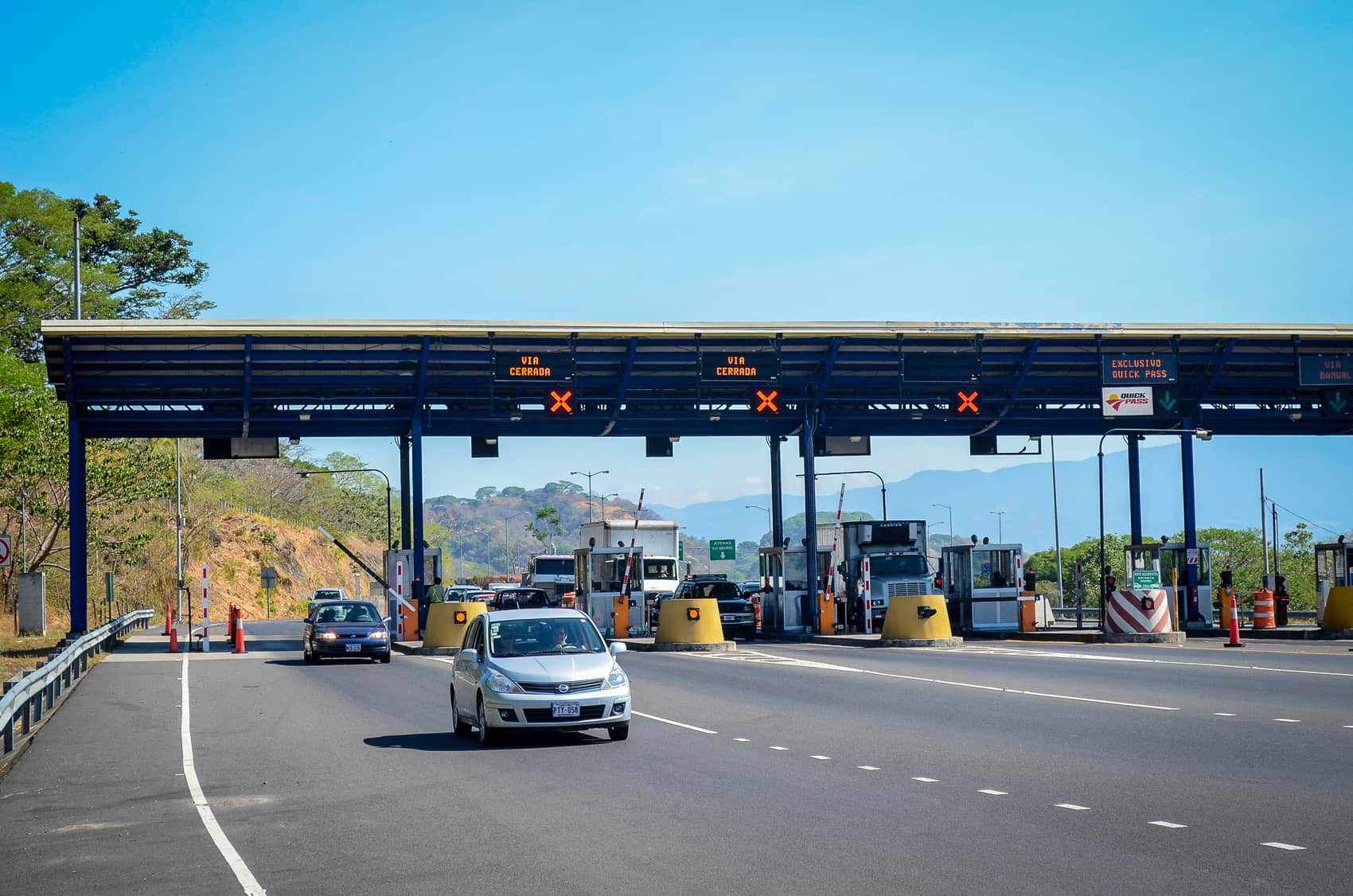
Drivers heading from San José toward Costa Rica’s central Pacific will pay slightly less on Route 27 starting July 1, when new toll rates take effect across the main highway linking the Central Valley with the coast. The reductions will range from ₡10 to ₡160, depending on the type of vehicle and the toll booth, according to reports citing Globalvía, the company that operates the San José-Caldera highway.
For light vehicles, including most rental cars and private vehicles used by tourists and residents, tolls will drop by ₡10 to ₡30 at all booths along the route. Heavy vehicles will see larger reductions, between ₡40 and ₡160. The new rates take effect at midnight on July 1.
The change comes from the ordinary quarterly toll adjustment for Route 27 and is tied mainly to movement in the dollar exchange rate. Costa Rica’s strong colón has lowered some dollar-linked costs in recent months, and Route 27 tolls are among the prices that can shift under the road’s concession formula.
For travelers, the savings will be modest. But the timing matters. Route 27 is Costa Rica’s main road from the San José area to the central Pacific, including popular destinations such as Jacó, Herradura, Esterillos and the Puntarenas coast. It is also a common route for travelers continuing south toward Quepos, Manuel Antonio and Dominical through the Costanera Sur.
The highway is heavily used by weekend travelers, tourists in rental cars, airport transfers, delivery trucks and residents commuting between the Central Valley and coastal communities. Drivers should still expect the usual Route 27 concerns: congestion around holiday periods, slower travel near toll plazas, heavy truck traffic and possible weekend traffic measures when large numbers of travelers return to San José from the coast.
The toll decrease does not change the broader cost of traveling in Costa Rica, but it is useful practical information for anyone planning a July beach trip, especially families, rental-car travelers and residents who regularly drive between San José and the Pacific. Travelers should carry small colón bills or coins, especially if they are not using electronic toll payment, and check posted rates at each booth once the new prices are in place.





