

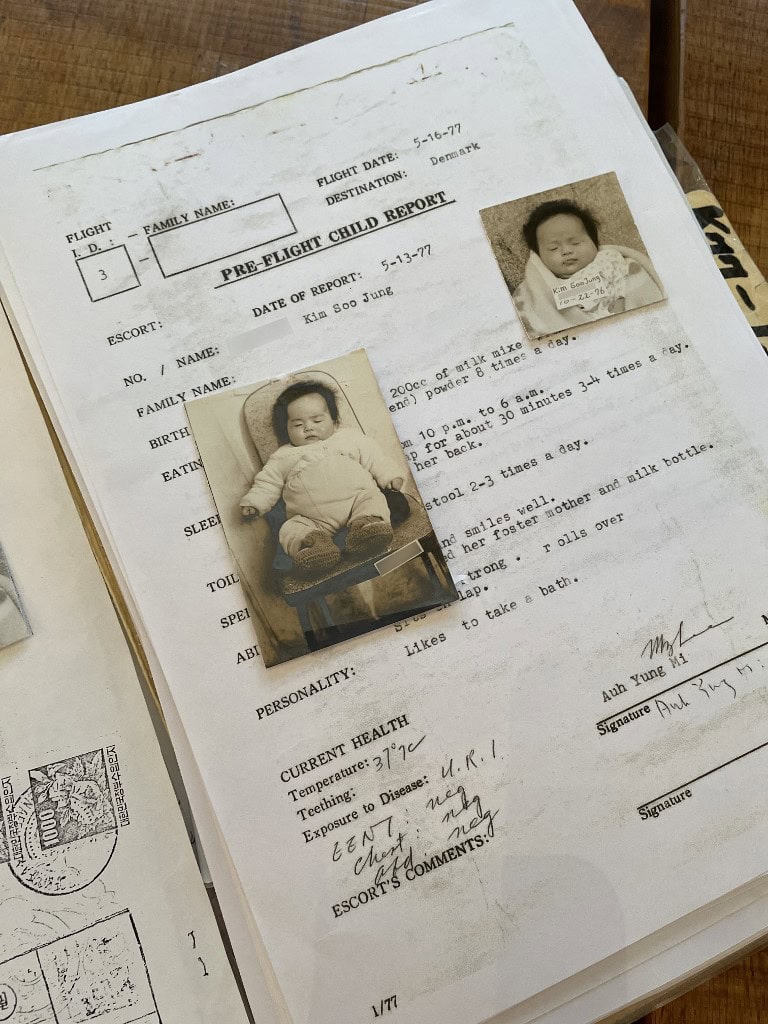
A quiet but painful investigation is forcing Costa Rica to confront a part of its child welfare history that has long gone unexamined. At the center is a growing Nordic reckoning over international adoptions carried out between the 1970s and early 1990s, when hundreds of children left Latin America, Asia and Africa for new lives in Scandinavia, often under circumstances now being questioned as fraudulent, coercive or legally void.
Norway’s government established an independent investigative committee to determine if Norwegian authorities exercised adequate oversight over international adoptions across several decades, and if illegal or unethical conduct took place during those processes. The inquiry was initially sparked by media reports about alleged illegal adoptions from the Philippines, where some children were reportedly sold and given falsified birth certificates.
The investigation later expanded to include dozens of sending countries, among them Costa Rica, Brazil, Colombia, Bolivia, Guatemala, Ecuador, Peru and Chile.
Norway’s Directorate for Children, Youth and Family Affairs recommended a temporary suspension of all new international adoptions while the committee completed its work. The government ultimately chose not to impose a full suspension, opting instead for tighter controls and case-by-case document reviews.
Costa Rica’s specific exposure involves 101 children adopted by Norwegian families between 1975 and 1992. In May 2026, Costa Rica’s child welfare agency, the Patronato Nacional de la Infancia (PANI), announced a comprehensive review of all adoption files from that period. The review was ordered before any official communication arrived from Oslo, with PANI’s executive president describing it as a precautionary step to prepare for requests from affected individuals or from the Norwegian state.
The case that has drawn the most public attention belongs to Sandra Vanessa Borhaug, who left Costa Rica in 1986 as a child and was adopted in Norway alongside two siblings. When she reached adulthood and tracked down her biological mother, who was still living in Costa Rica, the woman told her she had never given informed consent to the adoption. She said her children had been collected by PANI while she was away at work, with no meaningful legal process and no clear understanding of what she was agreeing to, if she was consulted at all.
Understanding how such cases were possible requires a look at Costa Rica’s adoption system before 1993. During that era, PANI held the power to declare a child legally abandoned and the authority to consent to that child’s transfer for adoption. The formal court process came afterward in the Family Courts, but the critical gatekeeping decision, the declaration of abandonment, rested inside a single administrative institution with limited judicial checks.
A 1993 legal reform transferred abandonment determinations to the courts, separating those powers and creating a system that PANI now describes as more protective and rights-based. But the reform came too late for the children who passed through the earlier system.
Costa Rica is facing this review alongside several major European destination countries. Sweden’s investigation found confirmed cases of child trafficking and illegal adoptions across every decade from the 1970s through the 2000s and recommended that the government formally apologize to adoptees. The Netherlands has moved to end international adoptions through a six-year phaseout after earlier reports documented serious concerns over forged records, illegal adoptions and lost birth information. Denmark’s sole overseas adoption agency began winding down operations after authorities raised concerns over fabricated documents and concealed origins.
For the men and women who were those children, now adults scattered across Norway and the rest of Europe, the investigations represent something many have sought for years: official recognition that the system that shaped their earliest lives may have been built, in ways large and small, on unconsented separations and institutional failure.





