

A new documentary is drawing attention to a rare conservation story on Costa Rica’s Osa Peninsula, where a rural community near Corcovado National Park has gone from hunting wildlife for survival to protecting some of the country’s most iconic animals.
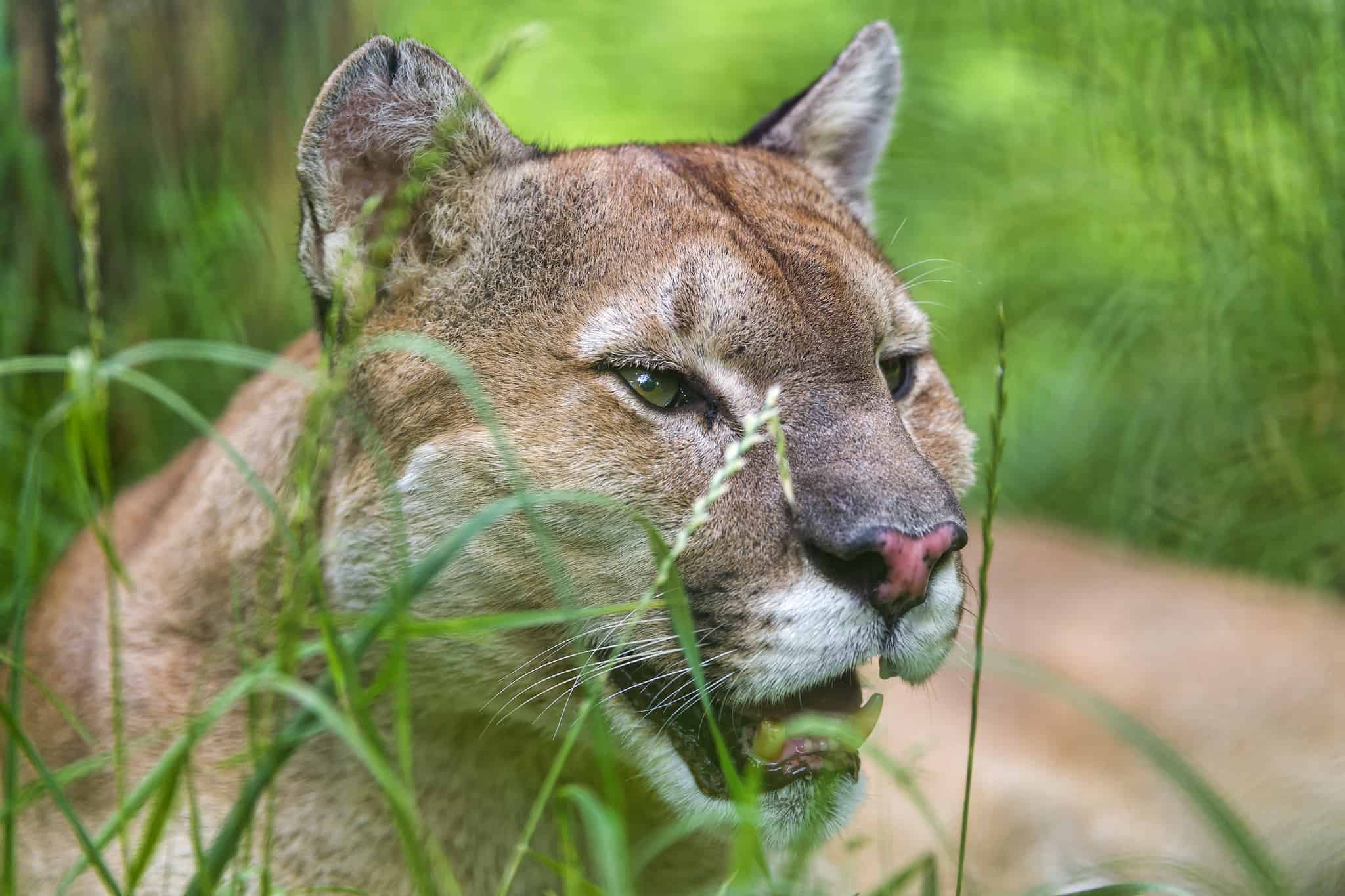
Living with Pumas and Tapirs, produced by BirdnWild, profiles Rincón de San Josecito, a community where pumas and Baird’s tapirs now move near homes and trails with little fear of people. The project presents the area as the first known peaceful coexistence between a rural community, pumas and Baird’s tapirs in Costa Rica.
The transformation did not happen overnight. For decades, poverty and isolation pushed many families in the area to depend on the forest for food. Tapirs, pumas, wild pigs, toucans and other animals were hunted, and some species became increasingly scarce in the surrounding forest.
That relationship began to change as ecotourism reached the community. Residents who once saw wildlife as a source of food, risk or conflict began earning income as guides and conservation workers. Animals that were once hunted became part of the local economy and identity.
Today, visitors to Rincón de San Josecito may encounter a very different scene: tapirs walking close to homes and pumas passing through community areas without the fear or aggression often seen in places where large mammals are persecuted. The documentary presents that trust as the result of years of protection by local residents.
The story is especially important because the Osa Peninsula remains one of Costa Rica’s richest wildlife regions. Corcovado National Park protects more than 41,000 hectares and is home to hundreds of species, including birds, mammals, reptiles, amphibians, insects and freshwater fish. Entry to the park requires an authorized guide, reflecting both the sensitivity of the ecosystem and the importance of trained local tourism.
The coexistence model remains fragile. The film highlights the case of a young puma known as Gemelito, which grew up near the community but was later killed after moving into another area where the same conservation culture had not taken hold. That case has become a central reason for expanding the program beyond Rincón de San Josecito.
BirdnWild is working with the Corcovado Foundation to raise $82,000 for environmental education, local guide certification and field equipment. The plan includes programs for children, parents and teachers, along with training for residents who want to work as wildlife guides and conservation ambassadors.
The Corcovado Foundation already has a long presence in the South Pacific region, with work focused on conservation, environmental education and sustainable development in local communities. Its programs have reached thousands of children and trained hundreds of people in sustainable tourism.
For travelers, the documentary offers another way to understand the Osa Peninsula. Rincón de San Josecito is not being presented as a staged wildlife attraction, but as a working example of community-led conservation. The central message is simple: when local people can earn a living from protecting wildlife, the forest becomes worth more alive than hunted.
That lesson matters beyond one small community. If the model can be repeated in neighboring areas, the Osa Peninsula could strengthen one of Costa Rica’s most important conservation corridors while creating more local jobs tied to responsible tourism.
For ecotourism-focused visitors, Living with Pumas and Tapirs adds a human story to the region’s reputation for wildlife. It shows that conservation in Costa Rica is not only about national parks and protected land. In Rincón de San Josecito, it is also about families, guides, former hunters and neighbors choosing to live differently alongside the animals that share their home.





