

It was marketed as a place where sloths would live their “slowest, happiest lives.” In reality, Sloth World Orlando became something closer to a death facility, and it took two small nonprofit organizations based in Costa Rica to force the world to pay attention. The story begins with a commercial attraction that never actually opened its doors.
Sloth World was planned for Orlando’s famous International Drive, billing itself as the planet’s only “Slotharium,” a walk-through experience offering close contact with the animals, with promises that ticket sales would fund conservation research. Behind the glossy marketing, dozens of wild-caught sloths imported from Central American tropical forests were quietly dying.
The investigation that ultimately exposed the scandal was driven not by American regulators, but by the Sloth Conservation Foundation and The Sloth Institute, both based here in Costa Rica. Since January, the two organizations ran a sustained campaign raising concerns about the facility. After their initial public statements, former Sloth World employees began coming forward privately with accounts of poor animal welfare. Unable to independently verify those claims at the time, the groups partnered with investigative journalists to pursue official records. What those records eventually revealed was damning.
Florida Fish and Wildlife Conservation Commission documents showed that at least 31 sloths had died at properties connected to Sloth World between December 2024 and February 2025 alone, before the attraction had even opened to a single paying visitor. When that figure became public, Sloth World’s owner transferred 13 surviving animals to the Central Florida Zoo in Sanford. The zoo reported that several arrived in critical condition. Three more died there despite veterinary care. By early May, the confirmed death toll had climbed to at least 55 animals.
The necropsy reports paint a grim picture. Veterinary records referenced a gammaherpesvirus described as poorly understood, with little known about its treatment. One report noted the “rapid onset of multiple deaths at the facility.” Experts from The Sloth Institute reviewed the records and concluded that systemic stress was the definitive catalyst: the brutal combination of wild capture, international transport, sudden dietary change, and the shock of captivity had suppressed the animals’ immune systems beyond recovery.
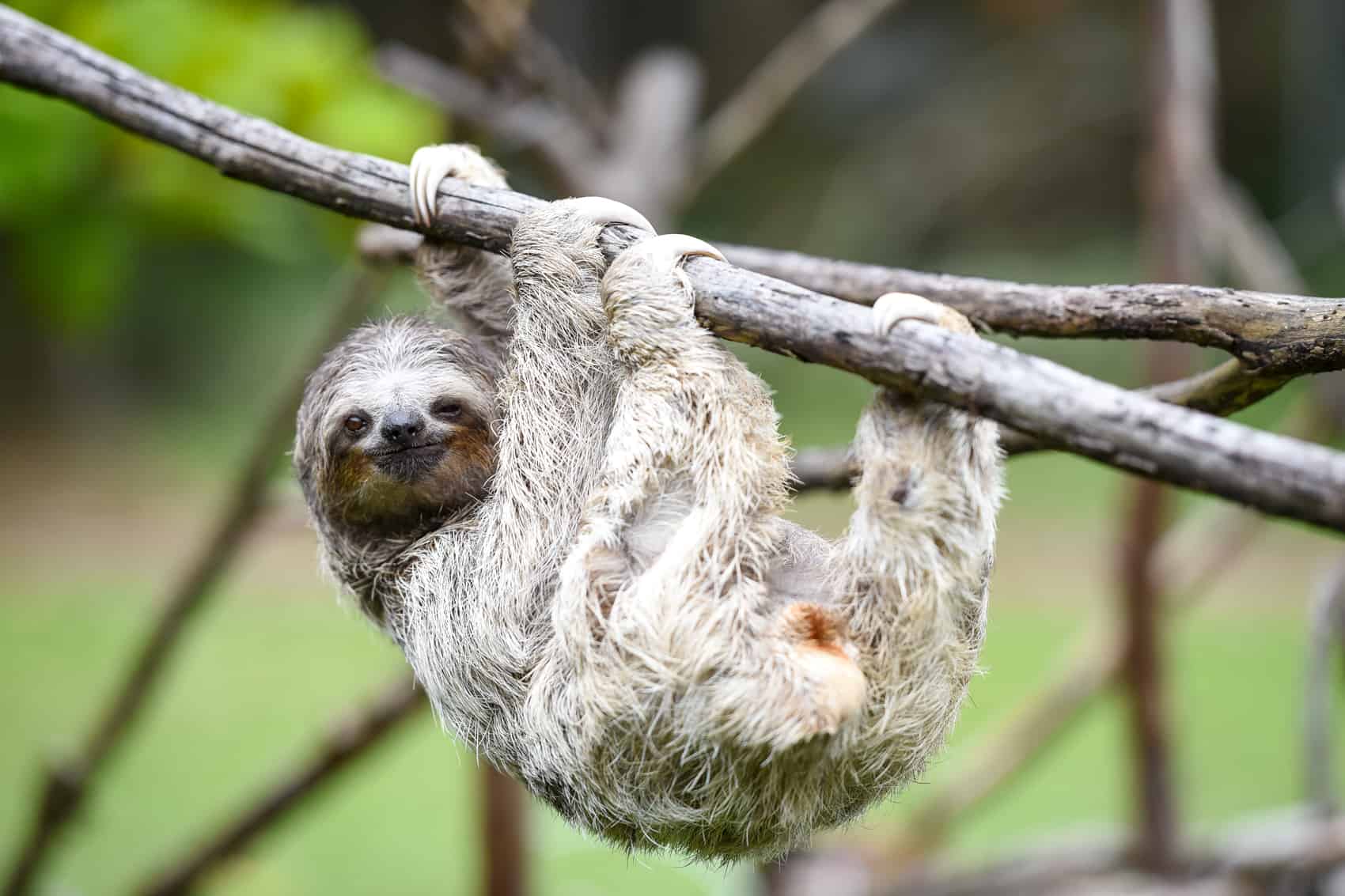
This outcome, conservationists say, was entirely predictable. Sloths evolved over millions of years as biological introverts. They have no meaningful fight-or-flight response and depend almost entirely on camouflage to survive. They are, by their very nature, animals for whom stress is not just unpleasant, but physiologically catastrophic. Unlike more adaptable species, a sloth removed from the wild canopy and placed in an artificial environment faces an almost impossible biological adjustment.
The founder of the Sloth Conservation Foundation has been unambiguous: there is no justification in 2026 for acquiring wild sloths for commercial exhibition.
The political response, when it finally came, was driven largely by the pressure applied at a press conference outside the shuttered Sloth World building on May 6. Costa Rican sloth experts stood alongside Florida state legislators and county commissioners to demand accountability. Florida Representative Anna Eskamani captured the sentiment directly, stating there was simply no reason to remove a wild animal from its habitat and bring it to Florida for profit dressed up as education.
The immediate consequence came on May 13, when the Florida Fish and Wildlife Conservation Commission issued a temporary 60-day ban on importing sloths into the state, effective immediately. The ban followed direct meetings between the Costa Rican conservation groups and state wildlife officials. Sloth World has now permanently closed and surrendered its remaining animals.
The case exposes something uncomfortable about the exotic animal exhibition industry: conservation branding can provide legal and moral cover for practices that are neither. It also demonstrates something more encouraging: specialized organizations with deep scientific knowledge and the willingness to sustain pressure over months can, eventually, force regulators to act. Costa Rica’s sloths have no voice of their own. It turns out they had advocates willing to use theirs.





