

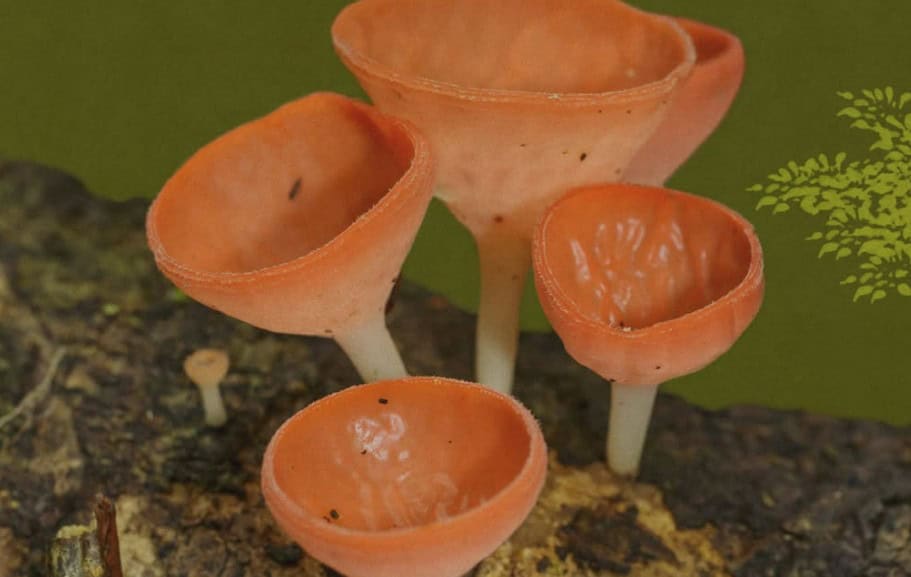
Costa Rica’s rainy season is bringing back one of our country’s more unusual nature tourism offerings, as Ruta Micológica Costa Rica 2026 prepares to take visitors into forests, reserves and rural communities to learn about fungi in the wild. The fifth edition of the Ruta Micológica will run from May through November, with activities planned in Cerro de la Muerte, Monteverde, Cerros de Escazú, Esparza, Dota and Heredia.
The project is organized by Oropopo Experience and Funga Conservation and focuses on guided mushroom walks, citizen science, environmental education and conservation of wild fungi. The route comes at a slower time for traditional tourism, but an active one for fungi. During the rainy months, mushrooms are easier to find in many ecosystems, making the season a good fit for walks, field identification and photography.
The activities are designed for small groups and for participants ages 12 and older, with different levels of physical difficulty depending on the destination. This year’s stops include Iyok Ami in Cerro de la Muerte, La Sabana, Monteverde, the Cerros de Escazú, Reserva Wanatura in Esparza, Laguna Don Manuel in Santa María de Dota, Hotel Savegre in San Gerardo de Dota and Monte de la Cruz in Heredia.
Topics will include edible mushrooms, bioluminescent fungi, mushroom myths, ecological restoration, identification methods and conservation in oak forests. The program has also added three family talks available by donation, opening part of the experience to people who may not be ready for a full field expedition. Other activities range in price from $47 to $235, depending on the type of tour, location and whether lodging or expanded educational activities are included.
For Costa Rica, the route also fits into a wider push toward science-based tourism outside the usual beach and volcano circuits. In its first four editions, the Ruta Micológica brought together more than 700 participants, visited 16 destinations and held 52 experiences around the country. The 2026 edition has received the Esencial Costa Rica seal for the fifth consecutive year.
The appeal is not only visual. Fungi play a major role in forest health by helping break down organic matter and recycle nutrients back into the soil. Oropopo’s own description of the trail frames mushroom tourism as a way to connect visitors with conservation, local knowledge and citizen science, including the use of iNaturalist to help record fungi observations.
For visitors, the route offers a different kind of Costa Rica trip: slower, wetter, quieter and focused on the details often missed on a standard nature walk. Instead of looking only for monkeys, birds or waterfalls, participants are guided toward the forest floor, fallen logs, mossy branches and hidden patches where fungi help hold the ecosystem together.
Registration and more information are available through oropopoexperience.com and the Instagram accounts of Oropopo Experience and Funga Conservation.





