

Costa Rican cuisine has earned a place on TasteAtlas’ list of the 100 best cuisines, giving the country a modest but welcome boost in international food recognition. The TasteAtlas Awards 25/26 ranked Costa Rican cuisine 85th globally, with a score of 3.98. The ranking was based on 590,228 valid ratings for 18,912 foods in the TasteAtlas database.
The platform highlighted several familiar Costa Rican staples, including casado, flan de coco, arroz con camarones y pollo, chorreadas and guarapo. For visitors to our country, the list is a reminder that Costa Rica’s appeal is not limited to beaches, volcanoes and wildlife. Its everyday food culture remains one of the easiest ways to understand the country.
Casado, one of the dishes featured in the ranking, is often considered Costa Rica’s most recognizable lunch plate. It typically includes white rice, beans, meat such as chicken, beef or pork, and salad, with additions that may include fried plantains, avocado, tortillas, potatoes or other sides.
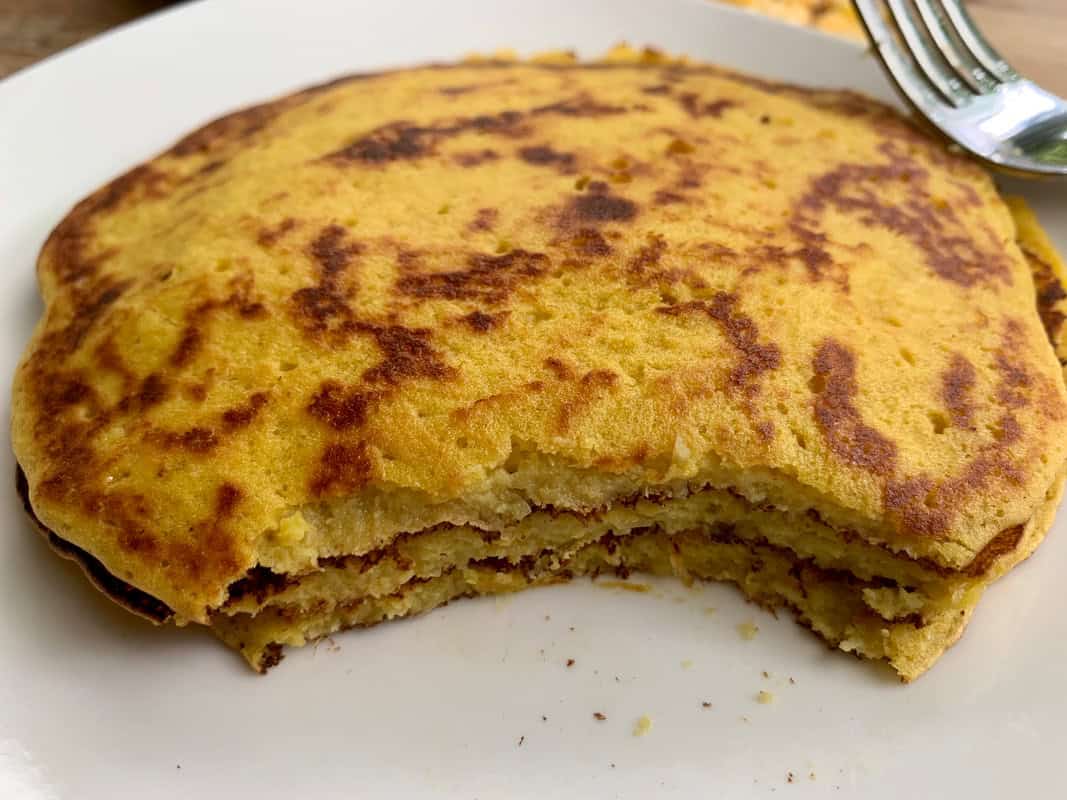
Chorreadas, made from fresh corn, are another traditional favorite, often served with natilla or cheese. Flan de coco reflects the country’s long use of coconut in desserts, especially in coastal areas. Rice dishes such as arroz con camarones y pollo are also widely found in sodas, seafood restaurants and family kitchens across the country.
While Costa Rica did not place near the top of Latin America’s highest-ranked cuisines, the inclusion gives local food a bit more visibility among international travelers. Peru ranked third globally, while Mexico placed 11th, Brazil 17th and Colombia 23rd.
The ranking offers an easy food angle at a time when many visitors are looking for experiences that go beyond the usual itinerary. A plate of casado at a roadside soda, a chorreada in a rural town, or coconut flan after a seafood lunch can say as much about the country as a guided tour.
The recognition also helps push back against the idea that Costa Rican food is too simple to be memorable. Much of our country’s cooking is built around rice, beans, corn, plantains, fresh fruit, seafood, chicken, beef, and local sauces. It is practical, filling and tied closely to daily life.
For those that come here, that may be the point. Costa Rican cuisine is not usually about elaborate presentation. It is about comfort, local ingredients and meals that reflect how people actually eat. TasteAtlas’ ranking gives that food tradition a small international spotlight and is a useful reminder that Costa Rica’s table is part of the trip.





