

Costa Rica’s southern Caribbean coast is moving into the center of a new community-led coral conservation effort, with a workshop aimed at training local residents to monitor and protect reef ecosystems in Talamanca. The free program combines virtual sessions during May with field work at sea between late May and June.
More than 150 people from different parts of the country registered for the workshop, but organizers are giving priority to residents of the southern Caribbean for the practical monitoring sessions. The goal is to build a local network of environmental observers who can track reef conditions over time.
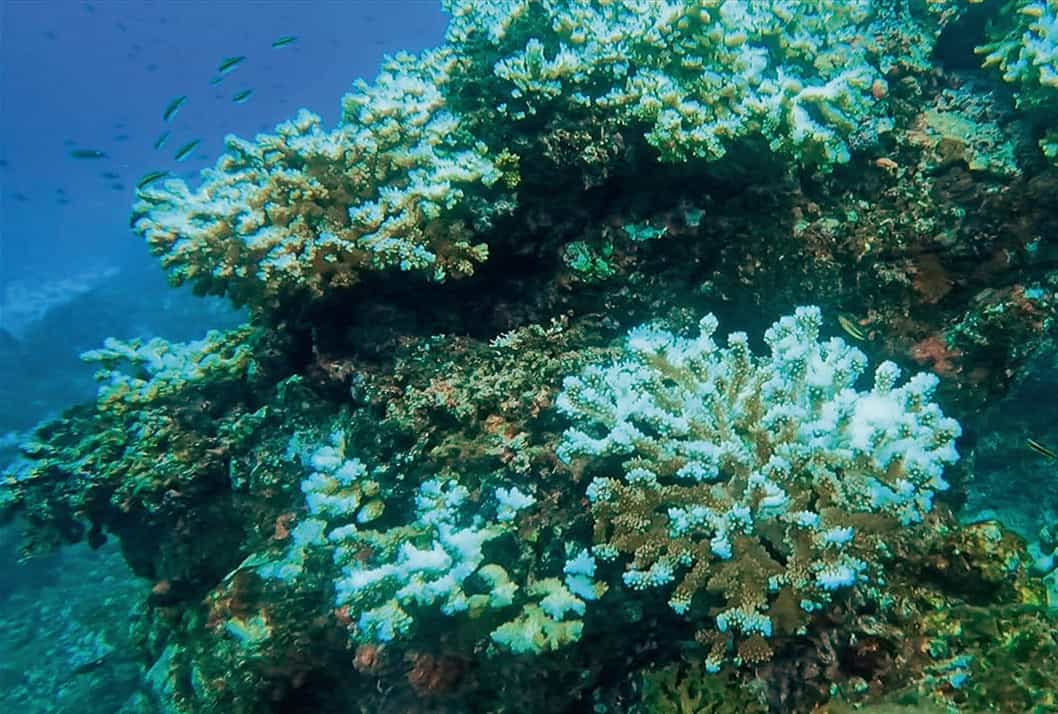
Participants will learn the basics of reef ecology, how to identify coral species found in the region, and how to document changes in reef health. The training includes species such as Acropora palmata, Montastraea, and Porites spp., along with protocols for recording coral bleaching and other environmental threats.
The initiative comes as reefs in the southern Caribbean face growing pressure from warming seas, bleaching events, sediment, pollution, and coastal infrastructure proposals. Conservation groups and local communities have warned that coral systems in the Puerto Viejo area remain alive but are under stress from wastewater discharge, sediment, and higher sea temperatures.
The workshop is designed to place reef protection in the hands of residents as well as scientists and public institutions. Through citizen science, participants will be able to collect useful information for conservation work and local environmental decision-making. Organizers say this kind of community monitoring can help identify warning signs earlier and support future protection efforts.
The program is organized by Costa Rica por el Océano in collaboration with the University of Costa Rica’s Kioscos Socioambientales Program. It also involves the social action projects “Voces y Política” from the School of Political Science and Geography and “Diálogo de Saberes” from the School of Geography.
The effort builds on years of environmental organizing in the southern Caribbean. Groups have carried out community assessments of reef health, promoted coral monitoring, and opposed projects they believe could damage marine ecosystems. One recent flashpoint has been the proposed Puerto Viejo pier, which has drawn legal and environmental objections over possible impacts on coral cover and marine biodiversity.
In March, an environmental appeal challenged the approval of the Puerto Viejo pier project, arguing that the review lacked enough marine analysis and failed to fully assess the reef system at the proposed construction site. The appeal also cited the presence of living coral and marine species that could be affected by the work.
Given the high demand for the workshop, organizers are considering an additional session focused on expanding participation among Talamanca residents. For coastal communities, the training represents another step toward stronger local involvement in the defense of coral reefs that support marine life, coastal protection, tourism, and the cultural identity of the southern Caribbean.





