

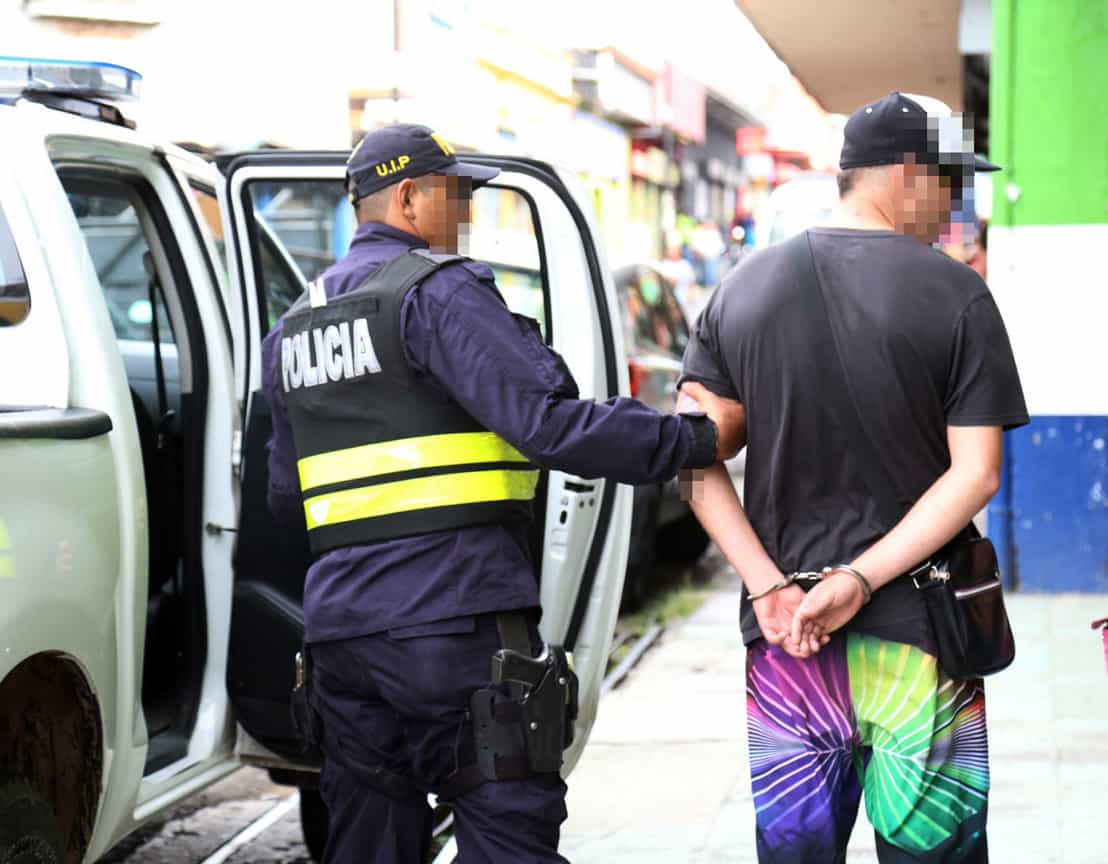
Canada has updated its travel advice page for Costa Rica, keeping our country under a nationwide recommendation to “exercise a high degree of caution” because of crime. The Canadian government’s advisory was updated yesterday, and lists Costa Rica under the caution category rather than a do-not-travel warning. The notice applies to the country as a whole and does not single out one region for a higher national risk level.
Canadian travelers planning a trip to Costa Rica are not being told to stay away, but the advisory urges them to stay alert. The warning points to crime risks in busy tourist areas, transport hubs, beaches, restaurants, hotel lobbies, downtown San José, and popular destinations on both the Pacific and Caribbean coasts.
Canada’s advisory says petty crime, including pickpocketing and purse snatching, occurs frequently, and that tourists are common targets because they are perceived as wealthy. It also warns that property crimes such as home burglary, theft from cars, vehicle theft, and passport theft remain common, with passport theft increasing during peak travel periods from November to May and again from July to August.
The advisory identifies several areas of concern in San José, including the Coca-Cola bus terminal area, the downtown zone between San Juan de Dios Hospital, the National Museum, Avenida 1 and Avenida 14, the Central Market area, and public parks. On the Pacific coast, Canada points to Dominical, Jacó, the Tárcoles River crocodile viewing area, Manuel Antonio National Park, Quepos, Cóbano, Mal País, Montezuma, Santa Teresa, and Puntarenas as places where theft is a particular concern. On the Caribbean coast, the advisory lists Cahuita, Puerto Limón, and Puerto Viejo.
The warning also highlights car break-ins, a common complaint among visitors using rental vehicles. Canada says rental and luxury vehicles are frequent targets, especially in parking lots at hotels, supermarkets, restaurants, stores, national parks, and beaches. Travelers are advised not to leave valuables in vehicles, even in the trunk, and to manually check locks because key-jamming devices may interfere with remote locking systems.
The advisory goes beyond petty theft. Canada says violent crime occurs in Costa Rica, including murders, armed robberies, burglaries, and assaults. It says drug trafficking is common and that most violent incidents are drug-related, with Alajuela, Limón, Puntarenas, and San José listed among the most affected provinces.
For foreign residents and tourists staying in vacation rentals, the warning is also pointed. Canada says residential break-ins occur and that burglars may be armed with knives or guns. Some incidents have targeted rental accommodations or homes and apartments owned by foreigners. The advisory recommends choosing well-secured lodging, locking doors and windows, avoiding confrontation with burglars, and reporting suspicious activity.
The Canadian update comes as other countries continue to flag crime as a concern for visitors to Costa Rica. The U.S. State Department currently lists Costa Rica at Level 2, advising travelers to exercise increased caution due to crime. Its advisory says petty crime is common and that violent crime affecting tourists can include armed robbery, homicide, and sexual assault.
The warning does not mean tourists should cancel trips. It does mean visitors should avoid behavior that makes them easy targets: walking alone at night, leaving bags unattended at beaches or restaurants, flashing jewelry or expensive electronics, carrying large amounts of cash, or parking rental cars with luggage inside.
Costa Rica remains one of most visited destinations here in Central America, with tourism built around national parks, beaches, wildlife, adventure travel, and eco-lodges. But the latest advisory is another reminder that our country’s international image as a peaceful destination now sits beside a more complicated security reality.
For those heading to Costa Rica during the early rainy season and summer travel period, the best approach is practical caution: use registered transportation, choose secure lodging, keep passports and valuables protected, avoid isolated areas after dark, and stay alert in crowded tourist zones.





