

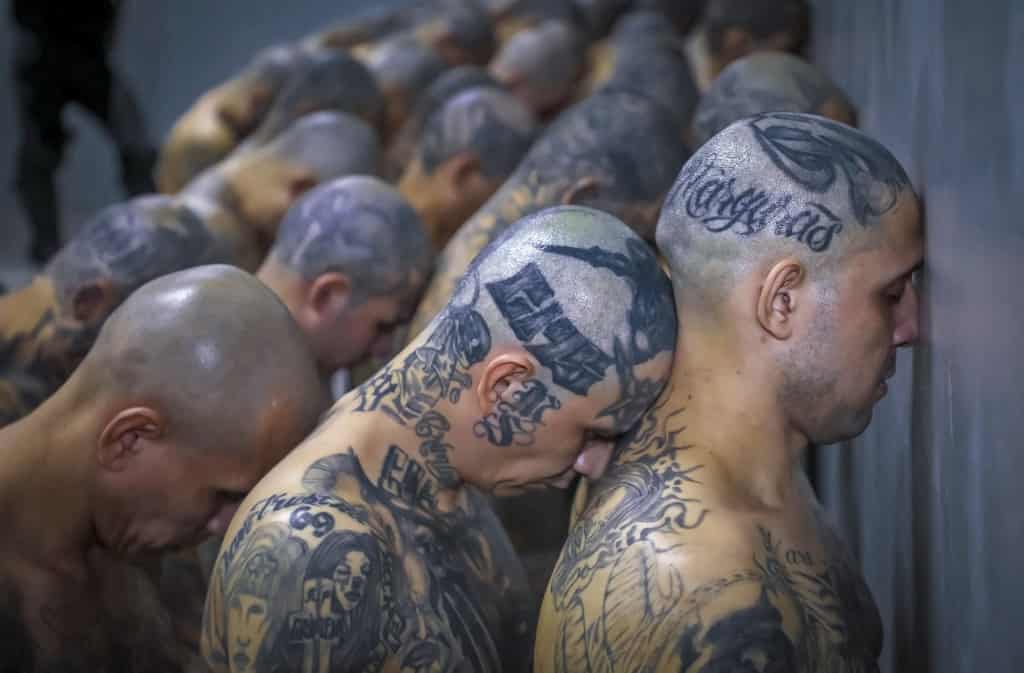
A Salvadoran human rights organization says at least 500 people have died in state custody since President Nayib Bukele launched his anti-gang offensive four years ago, with the vast majority having no ties to criminal groups.
Socorro Jurídico Humanitario released the findings Friday as the state of emergency that underpins the crackdown reached its fourth anniversary. The group, which works with families of detainees, based its tally on testimonies, medical records and other unofficial sources. It said 94 percent of those who died were not gang members.
The state of emergency began March 27, 2022, after a spike in gang killings. Congress has renewed it 48 times, suspending constitutional protections that allow warrantless arrests. Authorities have detained more than 91,300 people during that period, according to government figures.
The organization described the deaths as the result of widespread and systematic acts against civilians held by the state. Nearly one-third stemmed from a lack of medical care for chronic conditions, while another 30 percent involved violence, it said. In many cases, bodies showed signs of injury, yet authorities conducted few proper inspections, the report added.
Socorro Jurídico Humanitario called the pattern “crimes against humanity” and urged international scrutiny. It estimated the true death toll could exceed 1,500, citing poor record-keeping and mass proceedings that limit transparency. Government officials have not released comprehensive data on prison deaths. In past statements, they have described most fatalities as natural causes linked to pre-existing health issues among incoming inmates.
Bukele has repeatedly dismissed human rights groups. On his X account this week, he accused such organizations of acting as “law firms for criminals” and said the government would never heed their criticism no matter how much they attack it.
The crackdown has produced measurable security gains. Homicide rates have fallen to historic lows, with officials reporting just 82 killings nationwide in 2025. Police and military operations have dismantled the Mara Salvatrucha and Barrio 18 gangs, which the United States and El Salvador classify as terrorist organizations. Bukele’s approval ratings remain high, as many Salvadorans credit the policy with restoring daily life in neighborhoods long controlled by extortion and violence.
Critics, including the Inter-American Commission on Human Rights and groups like Cristosal, have documented patterns of arbitrary arrests, overcrowded facilities and limited access to lawyers or family visits. Some released detainees have described beatings upon arrival and inadequate food or water.
The government has acknowledged that roughly 8,000 people were freed after initial detention when evidence did not support charges. Officials maintain the sweeps targeted active gang members and collaborators, and they point to the sharp drop in street crime as justification for continuing the measure.
Socorro Jurídico Humanitario said many of the deceased entered prison in good health but died within weeks or months. The group highlighted cases involving pastors, union members, taxi drivers and even minors living with detained mothers. It called for independent investigations and access to official records.
As the anniversary passed, the Legislative Assembly approved further extensions of the emergency powers. Security Minister Gustavo Villatoro has said operations will continue until the gangs are fully eradicated. The report arrives amid broader regional debate over tough-on-crime models. Bukele’s approach has drawn interest from other Latin American leaders facing gang violence, even as rights monitors warn of long-term costs to due process and accountability.
Families of the deceased continue to seek answers. Many received bodies without full autopsies or explanations, according to the organization. For now, the state of emergency remains in force, with no fixed end date.





